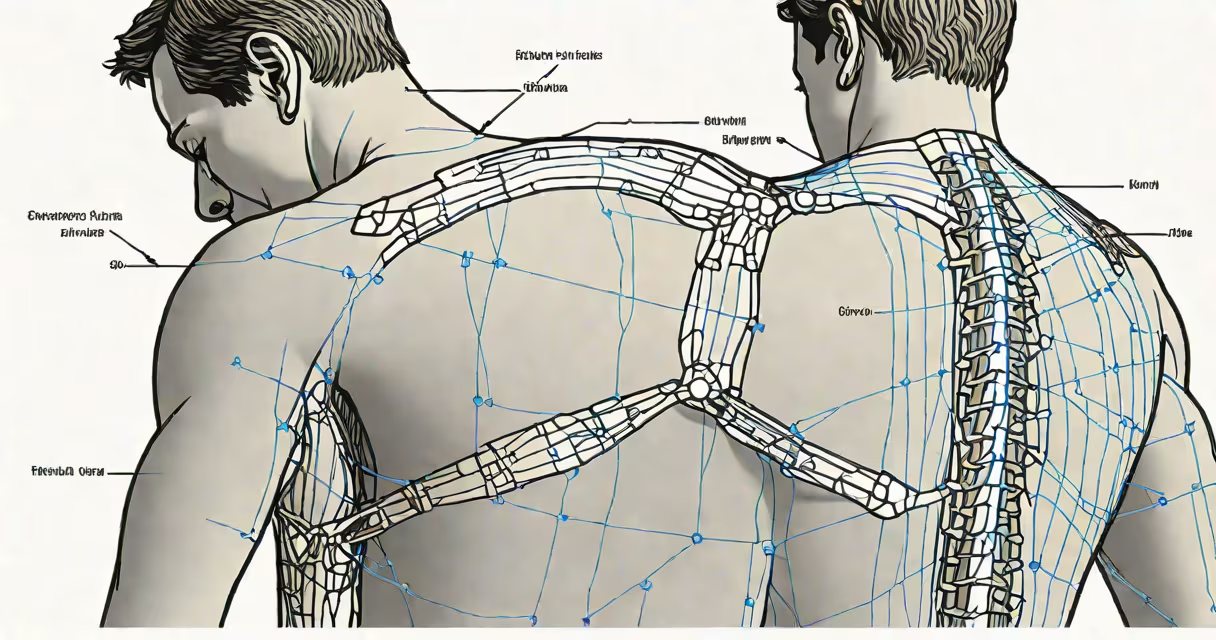
Shoulder blade gas pain occurs when excess gas in the digestive tract irritates the diaphragm, triggering referred pain in the shoulder blade region. This sensation often feels sharp or dull and may worsen with breathing or lying down.
Gas buildup in the stomach or intestines increases intra-abdominal pressure. The diaphragm, a dome-shaped muscle separating the chest and abdomen, contains nerve pathways that overlap with those serving the shoulder blades. When gas pushes against the diaphragm, signals misfire, making the brain interpret the pain as coming from the back rather than the gut.
Unlike muscle strain or joint issues, shoulder blade gas pain typically appears suddenly, lasts minutes to hours, and resolves after burping, passing gas, or changing position. It rarely causes weakness or numbness and doesn't worsen with arm movement.
Pain from internal organs can be felt in distant areas due to shared spinal nerve pathways-a phenomenon called referred pain. The phrenic nerve, which controls the diaphragm, runs through the same spinal segments (cervical nerves C3-C5) that supply sensation to the shoulder and upper back.
A study published in *The Journal of Pain* confirmed that visceral pain from abdominal organs can be localized to the shoulder region. For example, gallbladder attacks often present as pain under the right shoulder blade, even though the organ is in the upper right abdomen.
When gas accumulates near the diaphragm-especially after eating quickly, drinking carbonated beverages, or swallowing air while chewing gum-it presses on the diaphragm's sensory nerves. The brain receives the signal but misattributes the location, resulting in pain perceived in the shoulder blade area.
Most cases of shoulder blade gas pain follow identifiable patterns:
One patient reported sharp pain between the shoulder blades after a holiday dinner. The pain began 30 minutes post-meal, intensified when lying down, and eased after belching. A physical exam showed no muscle tenderness, and imaging revealed no structural spine or joint abnormalities.
Research from the American College of Gastroenterology notes that up to 15% of patients presenting with unexplained back pain have underlying gastrointestinal causes. Gas-related pain is frequently overlooked because symptoms mimic musculoskeletal conditions.
Shoulder blade gas pain is often mistaken for:
A key distinction is timing. Musculoskeletal pain tends to persist or worsen with movement. Gas pain often shifts with posture-worse when lying down, better when sitting upright or walking.
While most episodes resolve within 30 minutes to a few hours, consult a healthcare provider if:
Referred pain from gas is usually benign, but persistent or severe symptoms could indicate more serious conditions such as pancreatitis, peptic ulcers, or hiatal hernia. The National Institute of Diabetes and Digestive and Kidney Diseases recommends evaluating persistent abdominal or back pain to rule out structural or chronic disease.
A 42-year-old woman experienced recurring left shoulder blade pain after meals. She described it as "a tight, pressing ache" that started 45 minutes after eating and lasted 90 minutes. No history of back injury. Physical exam showed no tenderness over the spine or shoulder joints.
She kept a food diary and identified that consuming lentil soup and carbonated water triggered the episodes. After eliminating both, the pain resolved completely. An ultrasound confirmed no gallstones, and a CT scan ruled out pancreatic or renal pathology.
This case illustrates how dietary triggers can cause referred pain without visible organ damage. The diagnosis was functional gastrointestinal discomfort, likely due to gas-induced diaphragmatic irritation.
Simple lifestyle adjustments reduce episodes:
For persistent cases, a gastroenterologist may recommend a hydrogen breath test to assess carbohydrate malabsorption or a gastric emptying study to evaluate motility.
If you're unsure whether your shoulder blade pain stems from gas or another issue, reviewing common causes of gas-related shoulder pain can clarify your next steps. Persistent pain warrants evaluation to distinguish between gastrointestinal and musculoskeletal origins.
Understanding the difference between true shoulder blade pain and referred gas pain prevents unnecessary tests and treatments. Most cases resolve with diet and positioning changes. When in doubt, seek professional guidance to avoid misdiagnosis.
Shoulder blade gas pain is not a sign of heart trouble or major illness. It's a physiological response to gas pressure affecting shared nerve pathways. Recognizing the pattern helps you respond appropriately and avoid prolonged discomfort.