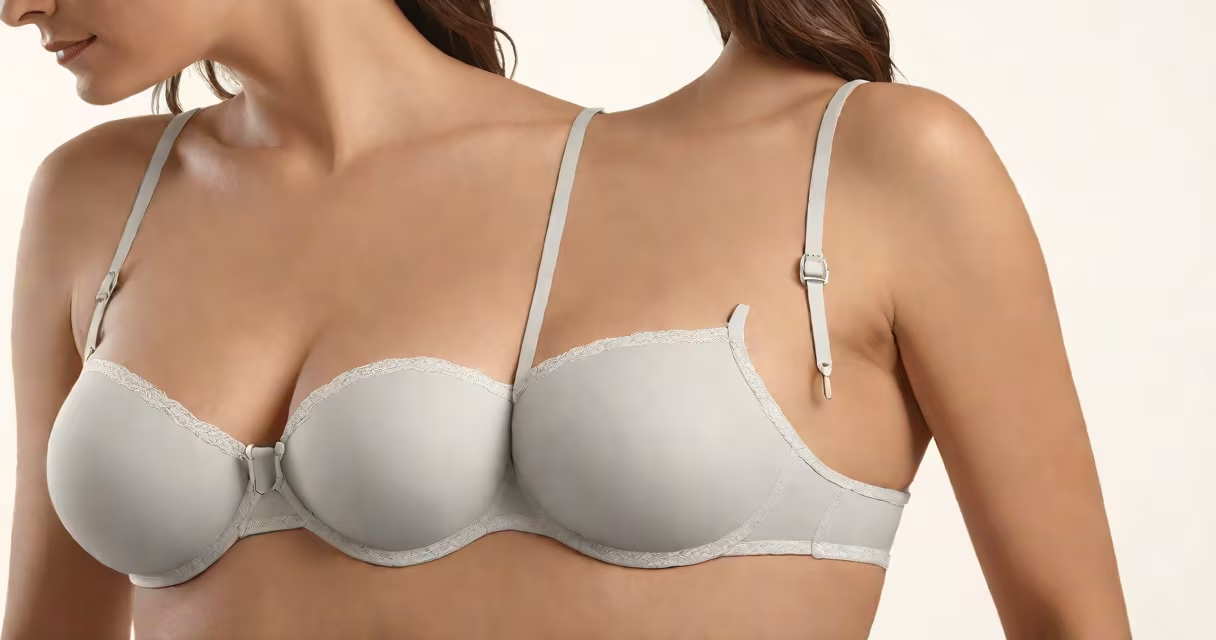
A size D bra indicates a cup size D paired with a band size-commonly 32, 34, 36, or 38-measured around the ribcage just below the bust. The band supports most of the weight, while the cup holds the breast tissue. A D cup means the difference between the bust and band measurement is approximately 4 inches.
Bra sizing follows a standard system: band size is the measurement around the ribcage, and cup size reflects the volume of breast tissue relative to the band. For example, a 34D bra has a 34-inch band and a bust measurement of 38 inches-a 4-inch difference. This system applies globally, though sizing varies slightly between brands.
The U.S. and UK use the same letter-based cup system, but European sizes differ. A 34D in the U.S. equals a 75D in Europe. Always check brand-specific size charts, especially when buying online. Some brands run small or large, so a 34D may fit like a 36C in another label.
Cup size is determined by subtracting the band measurement from the bust measurement. A 4-inch difference corresponds to a D cup. A 5-inch difference is a DD/E, and a 3-inch difference is a C. This calculation is consistent across major retailers like Victoria's Secret, Aerie, and Maidenform.
Band size is measured snugly around the ribcage, just under the breasts. If the tape measure sags or pulls, the fit is off. A properly fitted band should feel firm but not dig into the skin. The band should stay level, not rise at the back.
For a 34D bra, the band is 34 inches, and the bust is 38 inches. The cup holds the breast tissue from the base to the top, covering the entire breast. If the cup is too small, tissue spills over the top or sides. If too large, the cup sags and creates gaps.
Most women who wear a D cup have band sizes ranging from 32 to 40. The most common combinations are 34D, 36D, and 38D. These sizes reflect average body proportions, but individual variation exists.
| Band Size | Cup Size | Bust Measurement | Real-World Fit |
|---|---|---|---|
| 32 | D | 36 inches | Small frame, petite build |
| 34 | D | 38 inches | Most common size for average height |
| 36 | D | 40 inches | Medium to larger frame |
| 38 | D | 42 inches | Full-figured, athletic build |
For example, a woman with a 34-inch band and 38-inch bust wears a 34D. Her cup holds 4 inches of volume. If her bust increases to 40 inches, she'd need a 36D. The band grows by 2 inches, and the cup stays D-volume remains similar.
Many women assume a D cup is large, but it's relative. A 32D is smaller than a 38D, even though both are D cups. Cup size doesn't stand alone-it's always paired with band size.
Size D is often mistaken for a "large" cup, but it's not. A D cup is medium-sized in many contexts. According to the American Society for Aesthetic Plastic Surgery, the average bra size in the U.S. is 34DD. So a D cup is actually below average in volume.
Another mistake is assuming all D cups look the same. A 34D and a 38D have different volumes. The 38D holds more tissue. Wearing a 34D when you need a 38D leads to discomfort, poor support, and visible spillage.
Some brands use "D" to describe a single size, but it's not standardized. A "D" in one brand may be a DD in another. Always verify with a size chart. For example, a 34D in one brand may be a 36C in another due to differences in cut and stretch.
I once bought a 36D bra based on a store fitting room recommendation. After wearing it for a week, I noticed the band was digging into my back and the cups were pulling at the sides. I checked my measurements: 34-inch band, 38-inch bust. That's a 34D-not a 36D. Switching to the correct size eliminated pain and improved posture.
Use a flexible measuring tape. Measure the band at the lowest point under the bust, keeping the tape level. Measure the bust at the fullest point, not the nipple. Take both measurements in a bra that fits well-don't wear a tight shirt or coat.
If you're unsure, try a professional fitting. Stores like Nordstrom and Bloomingdale's offer free fittings. Online, use size guides from reputable brands. For example, a 32M bra size is not a D cup-it's a different system altogether. M stands for medium, not cup size.
Your size can change due to pregnancy, weight gain or loss, menopause, or muscle gain. A 34D may become a 36D after childbirth. A 38D may shrink to a 36D after weight loss. Check your size every 6-12 months or when you notice changes in fit.
Signs you need a new size include: band riding up, straps digging in, cups spilling over, or gaps at the top. These indicate either the band is too big or the cup is too small.
For larger cup sizes, consider a full-coverage or plunge style. A 36D or 38D may require a wider band and reinforced center gore for stability. Brands like Elomi and Bravissimo specialize in extended sizes and better support.
Understanding size D bra means knowing how band and cup work together. A D cup is not a universal size-it's a combination. Always measure yourself, check brand charts, and prioritize fit over trend.