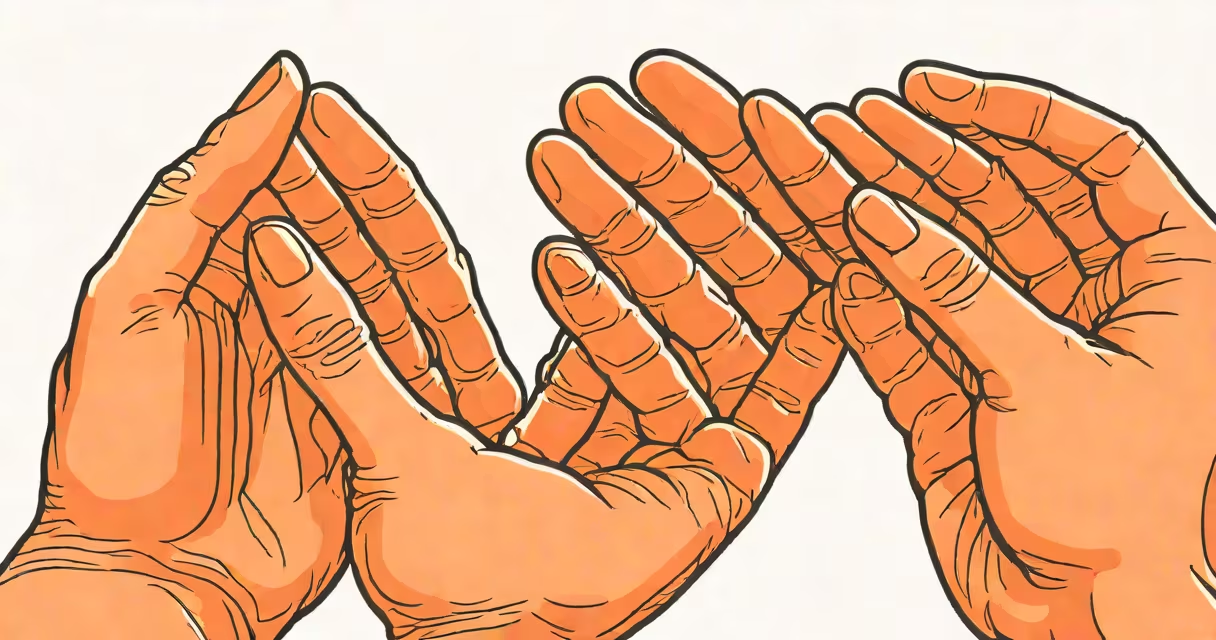
Hot hands, or excessive sweating of the palms, is typically caused by overactive sweat glands due to conditions like primary focal hyperhidrosis, stress, or underlying medical issues such as thyroid disorders or diabetes.
Excessive hand sweating isn't just uncomfortable-it can interfere with daily tasks like typing, shaking hands, or handling paper. While occasional warmth or dampness may result from temporary triggers like anxiety or heat, persistent hot hands suggest a physiological cause. The condition affects about 1% of the U.S. population, according to the American Academy of Dermatology (AAD).
True hyperhidrosis involves sweat production beyond what's needed for temperature regulation. It often begins in childhood or adolescence and runs in families. The AAD notes that primary focal hyperhidrosis-meaning it starts in one area and isn't due to another illness-is the most common form affecting the hands.
Sweat glands in the palms are controlled by the sympathetic nervous system. When this system overreacts, it sends signals to produce more sweat than necessary-even when the body doesn't need cooling. This overactivity leads to wet, sticky palms, sometimes visibly dripping.
For example, someone with hyperhidrosis might notice their hands feel clammy during a calm conversation or while sitting still. The sweat isn't triggered by physical exertion or high temperatures. Instead, it occurs spontaneously, often worsening with emotional stress or anticipation of social events.
Research published in *Dermatologic Therapy* confirms that the eccrine sweat glands in the palms are highly sensitive to neural stimulation. They can produce up to 10 times more sweat than normal in people with focal hyperhidrosis, leading to functional impairment in daily life.
Primary focal hyperhidrosis is the most frequent reason for hot hands. It's not linked to another disease and usually starts before age 25. Secondary hyperhidrosis, which appears later in life, may signal an underlying health issue.
Conditions associated with secondary hyperhidrosis include:
A non-obvious distinction: not all hand sweating is hyperhidrosis. Some people mistake normal sweat response to heat or nerves for a disorder. True hyperhidrosis produces sweat even in cool environments and during rest. If you're constantly wiping your hands dry, avoid touching surfaces, or skip social interactions because of wet palms, it's likely more than just normal sweating.
Differentiating between types helps determine treatment. Here's how they compare:
| Type | Onset | Trigger | Associated Conditions |
|---|---|---|---|
| Primary focal hyperhidrosis | Before age 25 | Emotional stress, anxiety | Genetic predisposition; no systemic disease |
| Secondary hyperhidrosis | After age 25 | Illness, medication, hormonal changes | Thyroid disease, diabetes, menopause, infections |
Primary focal cases affect both hands symmetrically. Secondary cases may be asymmetric or appear alongside sweating in other areas like the face or feet.
One common misconception is that hot hands are purely psychological. While stress can worsen symptoms, the root cause is neurological. A 2020 review in *Neurology* showed that brain imaging of hyperhidrosis patients revealed heightened activity in the insular cortex-part of the brain involved in processing bodily sensations and emotional responses.
Effective treatments exist. Iontophoresis-a device that uses low electrical current through water to reduce sweat-has shown success in 70-80% of users, according to the National Institutes of Health (NIH). Sessions last 10-20 minutes, twice weekly, and are available over-the-counter with a prescription.
For example, a 28-year-old software developer with lifelong hand sweating tried iontophoresis after avoiding job interviews due to sweaty palms. After six weeks of consistent use, he reported being able to shake hands confidently and no longer carry tissues everywhere.
Other options include:
When treating hot hands, it's important to rule out underlying conditions. If sweating began suddenly in adulthood, consult a doctor. Blood tests can detect thyroid dysfunction or diabetes. A dermatologist can confirm hyperhidrosis diagnosis using the Minor starch-iodine test, which identifies sweat-prone areas via a color change reaction.
Hot hands aren't just a nuisance-they can reflect deeper physiological processes. Recognizing the difference between normal sweat and pathological overproduction leads to better care and improved quality of life.