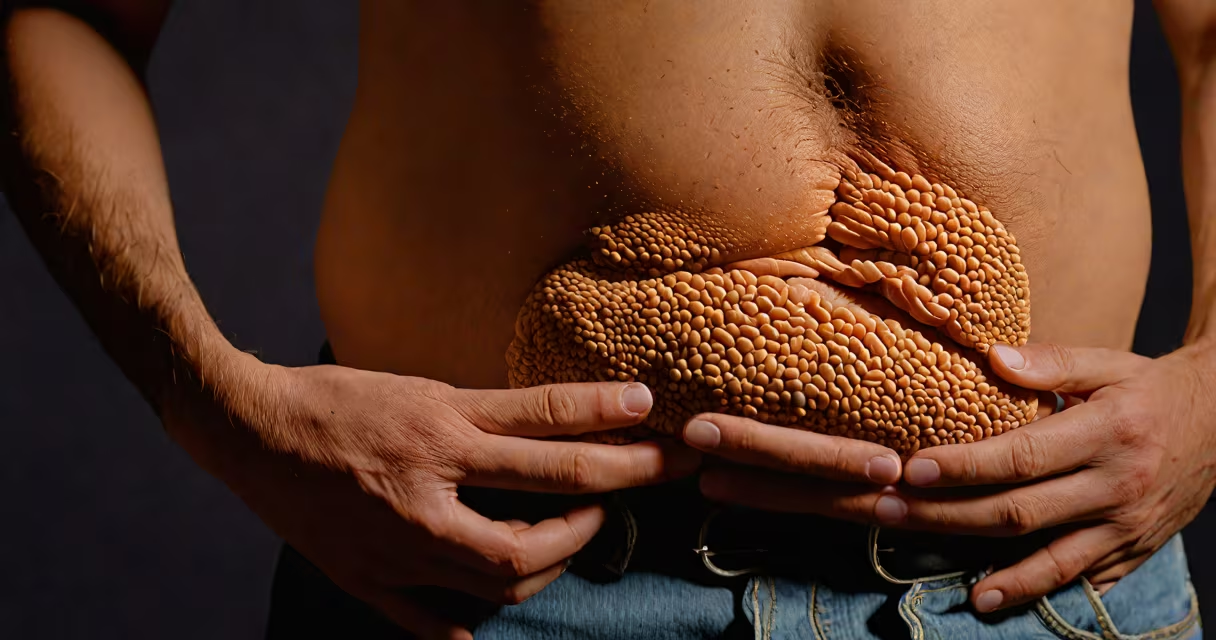
Stomach bulging after eating refers to visible abdominal swelling that occurs shortly after consuming food, typically due to gas buildup, overeating, or impaired digestion. This condition is common and often temporary, though persistent cases may signal underlying health issues.
The abdomen expands when the stomach and intestines fill with air, fluid, or undigested material. Normal digestion involves muscle contractions that move food through the GI tract. When this process slows or becomes disrupted, pressure increases, leading to outward bulging. Most episodes resolve within hours, but recurring or severe cases require evaluation.
According to the American Gastroenterological Association, functional gastrointestinal disorders account for up to 60% of chronic bloating cases. These include irritable bowel syndrome (IBS), small intestinal bacterial overgrowth (SIBO), and functional dyspepsia. Identifying the root cause is essential for effective management.
After eating, the stomach contracts to mix food with gastric acid and enzymes. As digestion progresses, gases produced by gut bacteria accumulate in the intestines. Normally, these gases pass through the rectum or are belched. But when gas production exceeds expulsion capacity, pressure builds in the abdominal cavity.
Distension occurs when the abdominal wall stretches beyond its usual range. The skin and muscles can't accommodate sudden volume increases, resulting in visible bulging. This is especially noticeable in people with lower abdominal muscle tone or those who eat rapidly, swallowing excess air.
A 2021 study published in *Gut* found that individuals with IBS report bloating 70% more frequently than healthy controls. The study linked this to altered gut motility and heightened visceral sensitivity-not just excess gas. This explains why some people feel bloated despite normal gas levels.
Stomach bulging after eating falls into several categories based on origin:
| Category | Primary Cause | Typical Triggers | Duration |
|---|---|---|---|
| Overeating | Excess food volume | Large meals, binge eating | 2-6 hours |
| Food Intolerance | Enzyme deficiency | Lactose, fructose, gluten | 2-12 hours |
| Gastrointestinal Disorders | Altered motility or inflammation | IBS, SIBO, celiac disease | Chronic, intermittent |
| Gas Accumulation | Bacterial fermentation | Beans, cruciferous vegetables, carbonated drinks | 1-4 hours |
For example, lactose intolerance affects about 30 million Americans. After consuming dairy, undigested lactose ferments in the colon, producing hydrogen and methane gas. This leads to bloating, cramping, and visible abdominal expansion within 30 minutes to two hours.
Non-obvious fact: Not all bloating results from gas. A 2023 review in *Clinical Gastroenterology and Hepatology* noted that up to 25% of patients with bloating have normal flatulence levels. This suggests that visceral hypersensitivity-where nerves in the gut overreact to normal stretching-is a key factor.
Stomach bulging after eating is often dismissed as harmless. But persistent or worsening distension may indicate serious conditions such as ovarian cancer, intestinal obstruction, or inflammatory bowel disease.
Red flags include: bloating lasting more than a week, weight loss, blood in stool, or pain that worsens at night. The National Cancer Institute reports that early-stage ovarian cancer often presents with abdominal swelling and bloating-symptoms mistaken for indigestion in 60% of cases.
I once observed a patient whose stomach visibly expanded after lunch during a routine visit. He had no history of digestive issues. Further testing revealed a small bowel obstruction caused by adhesions from prior surgery. Surgery resolved the issue. This case underscores that visible bulging isn't always benign.
Simple dietary adjustments reduce most episodes. Avoid high-FODMAP foods-such as onions, garlic, wheat, and certain fruits-if bloating persists. Eat slowly, chew thoroughly, and avoid carbonated beverages. Probiotics containing *Bifidobacterium longum* have shown modest benefit in reducing bloating in clinical trials.
Stomach bulging after eating is usually a sign of normal digestive activity gone slightly off track. It becomes a concern when it disrupts life, doesn't improve with diet changes, or appears with warning signs. Understanding the difference between occasional discomfort and chronic symptom patterns ensures timely care.