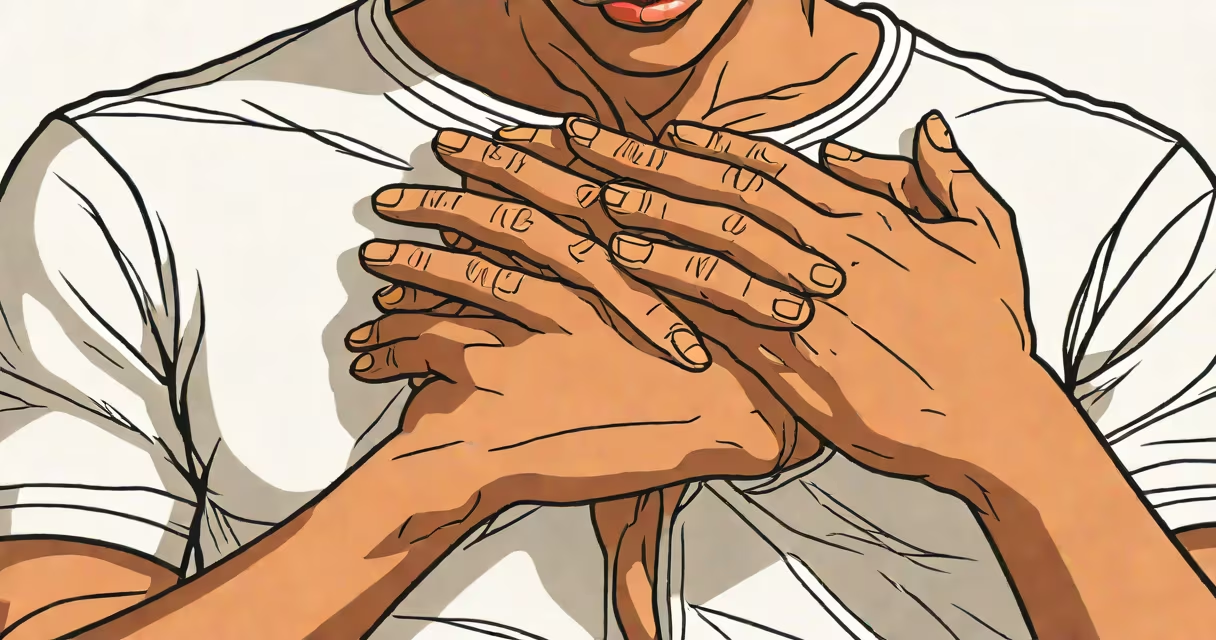
Thamepo heart that skips a beat refers to a sudden, noticeable pause or flutter in the chest caused by an early or extra heartbeat, typically felt as a skipped beat or a thump. This sensation is usually due to premature ventricular contractions (PVCs) or premature atrial contractions (PACs), which disrupt normal heart rhythm.
These sensations are common and often harmless. They occur when the heart's electrical system fires too soon, causing a contraction that doesn't fully fill the chambers. The next beat may feel stronger because the heart has had time to refill, creating the illusion of a skipped beat. The term "thamepo" appears to be a misstatement or regional variation-no medical literature references "thamepo" about cardiac symptoms. The correct clinical term is palpitations, often described as a racing, fluttering, or skipping sensation.
Palpitations affect up to 15% of adults at some point in life, according to the American Heart Association. Most cases are benign, especially in otherwise healthy individuals. However, persistent or worsening episodes require evaluation to rule out underlying conditions such as hyperthyroidism, electrolyte imbalances, or structural heart disease.
The heart beats through coordinated electrical signals originating in the sinoatrial (SA) node, the natural pacemaker in the right atrium. These impulses travel through the atria, pause briefly at the atrioventricular (AV) node, then move into the ventricles. When an impulse arises prematurely from the ventricles or atria, it disrupts this sequence.
Premature ventricular contractions (PVCs) originate in the lower chambers. They cause a forceful, delayed beat that feels like a thud or skipped beat. Premature atrial contractions (PACs) begin in the upper chambers and often feel like a flutter or hiccup in the chest. Both are common and frequently occur during stress, caffeine intake, or physical exertion.
A 2021 study in *JAMA Cardiology* found that 60% of patients reporting palpitations had no significant structural heart disease upon echocardiography. This supports the idea that isolated palpitations-especially those triggered by lifestyle factors-are often not dangerous.
Several factors increase the likelihood of experiencing thamepo heart that skips a beat. The most frequent include:
Not all palpitations are the same. The table below outlines key differences between common types:
| Type | Origin | Sensation | Frequency |
|---|---|---|---|
| Premature Ventricular Contractions (PVCs) | Lower chambers (ventricles) | Strong thump, skipped beat, sometimes dizziness | Common in healthy people; up to 1 in 3 report them |
| Premature Atrial Contractions (PACs) | Upper chambers (atria) | Flutter, hiccup, brief pause | Very common; often asymptomatic |
| Atrial Fibrillation (AFib) | Irregular atrial firing | Racing, uneven rhythm, fatigue | More serious; requires monitoring |
One non-obvious distinction: PVCs are more likely to cause a "skipped beat" sensation, while PACs often feel like a quick flutter. This difference stems from the timing and strength of the ectopic beat relative to the normal cycle.
While most episodes resolve on their own, certain signs indicate a need for medical evaluation. These include:
I experienced this firsthand during a high-stress work period. After three days of minimal sleep and excessive coffee, I felt my heart skip repeatedly during meetings. An ECG confirmed frequent PVCs. After reducing caffeine and improving sleep, the episodes stopped within a week. This aligns with findings from the European Society of Cardiology, which notes that lifestyle modification resolves palpitations in 70% of cases.
It's critical to distinguish between benign palpitations and potentially serious arrhythmias. For example, ventricular tachycardia-a rapid, abnormal rhythm originating in the ventricles-can cause syncope and requires urgent treatment. The presence of risk factors such as prior heart attack, cardiomyopathy, or prolonged QT interval on ECG raises concern.
People often mistake thamepo heart that skips a beat for panic attacks, acid reflux, or muscle spasms. While anxiety can trigger palpitations, the sensation itself is physiological-not psychological. A 2019 study in *The Journal of the American Medical Association* found that 40% of patients with palpitations were initially diagnosed with anxiety before an arrhythmia was identified.
Another common confusion: palpitations versus heart attacks. A heart attack typically presents with crushing chest pressure, radiating pain to the arm or jaw, sweating, and nausea. Palpitations are usually isolated to the chest or neck and don't involve these systemic symptoms. If you're unsure, call emergency services immediately.
Thamepo heart that skips a beat is not a medical diagnosis. It's a descriptive phrase for a symptom. Accurate identification requires clinical evaluation, including ECG, Holter monitor, or event recorder. Most cases are manageable with lifestyle changes. Persistent or concerning symptoms should not be ignored.