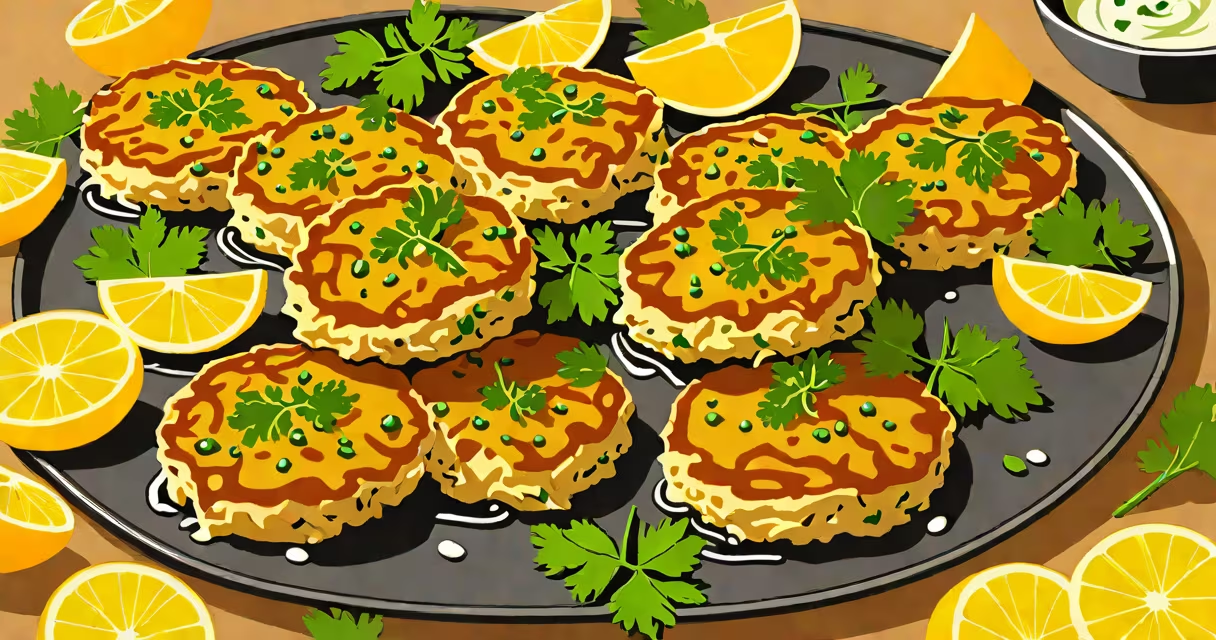
A tuna cakes recipe transforms canned tuna into golden, crispy patties with a tender interior, typically made with breadcrumbs, egg, onions, and herbs. These handheld meals are ideal for quick dinners, lunchboxes, or appetizers.
Tuna cakes work by binding flaked tuna with a moist binder-usually bread crumbs and egg-then shaping and pan-frying until crisp on the outside and warm through inside. The base ingredients are pantry staples: canned tuna (drained), plain breadcrumbs, egg, finely chopped onion, garlic, and seasonings like mustard, paprika, and dill. A splash of lemon juice adds brightness.
For texture, use fresh or dried breadcrumbs. Fresh breadcrumbs absorb moisture better and create a softer crumb, while dried breadcrumbs offer more structure. The ratio is roughly 1 cup breadcrumbs to 1 can (5 oz) tuna. Too many crumbs make the cake dry; too few cause crumbling.
The cooking process hinges on the Maillard reaction: high heat sears the surface, creating a golden crust while keeping the center moist. Pan-frying in oil or butter ensures even browning and prevents sticking. Baking at 375°F (190°C) is an alternative for lower fat, though the crust is less crisp.
Flavor development happens in two phases. First, sautéing onions and garlic in oil builds a savory base. Second, mixing in herbs like dill or chives enhances freshness. Mustard adds tang without overpowering. Lemon zest brings aroma; juice cuts richness.
Resting the mixture for 10 minutes before shaping allows the breadcrumbs to hydrate. This step prevents the cakes from falling apart during frying. Shaping with damp hands reduces stickiness and maintains form.
There are two main approaches: classic American-style and fusion-inspired versions. Classic recipes use minimal ingredients-tuna, breadcrumbs, egg, onion, salt, pepper. Fusion variants include capers, red pepper flakes, or a dash of curry powder.
| Type | Base Ingredients | Texture | Best For |
|---|---|---|---|
| Classic | Canned tuna, breadcrumbs, egg, onion, dill | Moist interior, crisp exterior | Weeknight dinners, school lunches |
| Spicy | Same base + chili flakes, sriracha, lime | Crunchy, zesty | Appetizers, game-day snacks |
| Herbed | Base + fresh parsley, chives, lemon zest | Fresh, aromatic | Picnics, light meals |
| Low-Carb | Almond flour, flaxseed, egg, no breadcrumbs | Chewy, dense | Keto diets, gluten-free needs |
One common mistake is overmixing. Stirring too much breaks down the tuna fibers and makes the cakes mushy. Mix just until combined. Another error is skipping the drain step-wet tuna leads to soggy cakes and uneven browning.
Home cooks use a tuna cakes recipe for speed and flexibility. They're often made with leftover canned tuna, reducing food waste. A single batch serves 2-4 people and takes under 20 minutes to prepare.
They appear in school lunch boxes due to their portability and mild flavor. In restaurants, they're served as appetizers or small plates-often with remoulade or tartar sauce. Some chefs use them as a base for fish croquettes or stuffed mushrooms.
According to the USDA FoodData Central, canned tuna contains 20 grams of protein per 3-ounce serving, making tuna cakes a nutritious option. The American Heart Association recommends including fish in the diet twice weekly for heart health.
People often mistake tuna cakes for fish balls or fish fritters. Fish balls are deeper-fried, shaped into spheres, and often served in broth. Tuna cakes are pan-fried, flattened, and eaten hot. Fritters usually include batter and vegetables like zucchini.
Another confusion: tuna cakes vs. tuna salad. Tuna salad is a cold, spoonable dish with mayonnaise, celery, and carrots. Tuna cakes are cooked, structured, and served warm. They share ingredients but differ in form and purpose.
Some assume tuna cakes require fresh fish. But canned tuna-especially water-packed-is preferred for consistency and safety. Fresh tuna can be tough and dry when pan-fried. Canned tuna is already cooked and flaky, which makes it easier to handle.
Ingredients:
Steps:
This recipe yields 4 servings. Total time: 18 minutes. Calories per patty: ~220.
I made these at home last winter during a power outage. No oven access, no fresh fish. I used pantry staples and ended up with a meal my family ate twice in two days. The crunch held up even after reheating in a toaster oven.
Use a tuna cakes recipe when you need a quick, protein-rich meal without shopping. They're great for meal prep-freeze uncooked patties on a tray, then transfer to a bag. Cook from frozen, adding 2 minutes per side.
They're also suitable for dietary adjustments. Swap breadcrumbs for almond flour for low-carb, or use vegan mayo and flax egg for plant-based versions. The core structure remains intact.
Always ensure the tuna is fully cooked and the internal temperature reaches 145°F (63°C) for safety. The FDA recommends consuming cooked fish within 2 hours of preparation or refrigerating promptly.