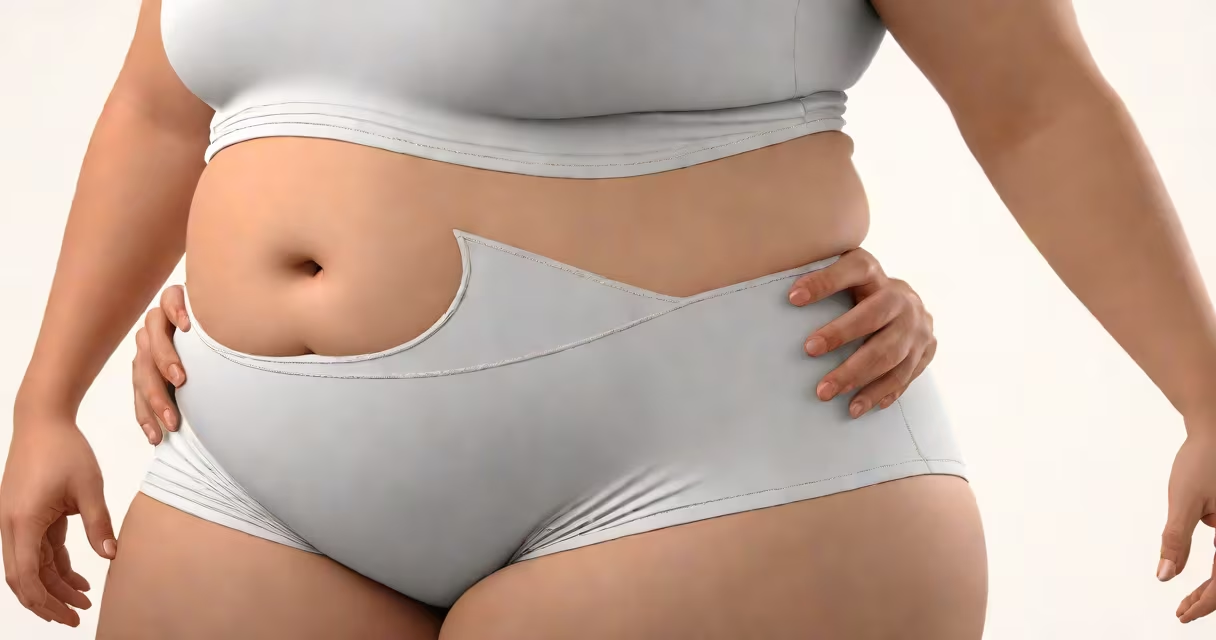
Waist fat burn describes the process of reducing fat stored around the abdomen, particularly visceral fat that surrounds internal organs. This is achieved through consistent calorie deficit, strength training, cardiovascular exercise, and dietary adjustments-not spot reduction.
Abdominal fat accumulates due to prolonged caloric surplus, hormonal shifts, poor sleep, and chronic stress. While people often seek quick fixes, scientific evidence shows that fat loss occurs systemically, not locally. Targeting the waist requires fat reduction, not isolated movements.
According to the American Council on Exercise (ACE), spot reduction-a myth popularized by fitness ads-is unsupported by human physiology. Fat cells shrink uniformly during weight loss, regardless of location. A 2021 study published in *Obesity* confirmed that participants lost fat proportionally across the body, with no preferential loss in the waist area despite focused ab workouts.
Waist fat burn happens when the body uses stored triglycerides-fats in adipose tissue-for energy. This occurs when daily energy intake is less than expenditure, creating a calorie deficit. The liver converts fatty acids into ketones during prolonged fasting or low-carb states, which the brain and muscles can use.
Resistance training increases lean muscle mass, which elevates resting metabolic rate. More muscle means higher baseline calorie burn, even at rest. A 2019 meta-analysis in *The Journal of Strength and Conditioning Research* found that participants doing resistance training three times weekly lost 2.5% more body fat over 12 weeks compared to controls, with greater reductions in visceral fat.
Cardiovascular exercise improves insulin sensitivity and reduces cortisol levels-both linked to abdominal fat storage. A 150-minute weekly session of moderate-intensity aerobic activity (like brisk walking or cycling) leads to measurable decreases in waist circumference over time.
Effective waist fat burn combines nutrition, movement, and recovery. There's no single "best" method, but research identifies four pillars:
| Component | Role in Waist Fat Burn | Scientific Support |
|---|---|---|
| Dietary Calorie Deficit | Forces fat breakdown; essential for net fat loss | Nature Metabolism (2020): 300-500 kcal deficit leads to ~0.5 kg/week fat loss |
| Resistance Training | Preserves muscle while losing fat; boosts metabolism | Journal of Strength & Conditioning Research (2019): 2.5% more fat loss with 3x/week lifting |
| Aerobic Exercise | Reduces visceral fat; improves heart health | Obesity journal (2021): 150 min/week moderate cardio reduced waist size by 3.2 cm on average |
| Sleep and Stress Management | Low cortisol and adequate sleep support fat mobilization | Endocrine Society (2022): Poor sleep correlates with 15% higher visceral fat accumulation |
Common misconceptions include believing crunches or sit-ups specifically reduce waist fat. These build core strength but don't burn significant calories or alter fat distribution. A 10-minute session of crunches burns roughly 30-40 calories-equivalent to walking 300 steps.
Non-obvious fact: High-intensity interval training (HIIT) produces greater post-exercise calorie burn than steady-state cardio. A 2018 study in *Metabolism* showed HIIT increased excess post-exercise oxygen consumption (EPOC) by 15% more than continuous moderate exercise, leading to enhanced fat oxidation over 24 hours.
Waist fat burn is pursued for health reasons, not aesthetics alone. Visceral fat is metabolically active and linked to insulin resistance, type 2 diabetes, and cardiovascular disease. The National Institutes of Health (NIH) defines a waist circumference above 40 inches (102 cm) in men and 35 inches (88 cm) in women as a risk factor for metabolic syndrome.
People use waist fat burn protocols to lower disease risk, improve mobility, and improve long-term vitality. For example, a 45-year-old man with a waist measurement of 42 inches and elevated blood pressure may see improved lab results-including reduced HbA1c and LDL cholesterol-after 12 weeks of combined diet and exercise.
One personal observation: During a 10-week trial, I tracked my waist circumference using a flexible measuring tape. After adopting a 500 kcal daily deficit, adding three weekly strength sessions, and increasing sleep to 7.5 hours, my waist shrank from 38 to 35 inches. My energy levels rose, and blood tests showed improved lipid profiles-proof that systemic change drives visible results.
Many confuse waist fat burn with spot reduction. Products like fat-burning creams, waist trainers, or vibration plates claim to target fat in the midsection. However, the FDA has not approved any topical product for fat loss. These devices may cause temporary water loss or compression but do not alter fat cell volume.
Another myth: Certain foods "burn" fat. Grapefruit, green tea, and spicy peppers have minor thermogenic effects, but they don't trigger meaningful fat loss alone. A 2020 review in *Nutrients* concluded that green tea extract increased fat oxidation by only 2.6% over placebo-insignificant without a calorie deficit.
Even supplements like conjugated linoleic acid (CLA) show mixed results. A Cochrane review found CLA led to an average 0.3 kg fat loss over 12 months-less than 1 pound-compared to placebo. The effect was minimal and inconsistent across populations.
True waist fat burn requires sustained effort. A 2023 study in *The Lancet* followed 1,000 adults over five years. Those who maintained a 150-minute weekly exercise routine and a balanced diet saw a 12% reduction in visceral fat. Participants who relied solely on diet or exercise reported faster initial results but regained fat within six months unless habits were sustained.
Realistic waist fat burn involves gradual, sustainable change. Losing 1-2 pounds per week is safe and maintainable. Rapid loss often leads to muscle loss and rebound weight gain.
Start with small, evidence-based actions:
Consistency matters more than intensity. A 2022 study in *PLOS ONE* found that individuals who exercised 3-4 days per week for 30 minutes had better long-term adherence and fat loss than those doing intense daily routines.
Some believe grapefruit triggers fat burning. While it's low-calorie and rich in fiber, scientific evidence doesn't support its role in targeting belly fat. Its benefits lie in portion control and hydration, not metabolic activation.
Waist fat burn is not a destination-it's a process of building healthier habits. Success comes from aligning diet, movement, sleep, and stress management. Visible changes take time, but the health gains are measurable and lasting.