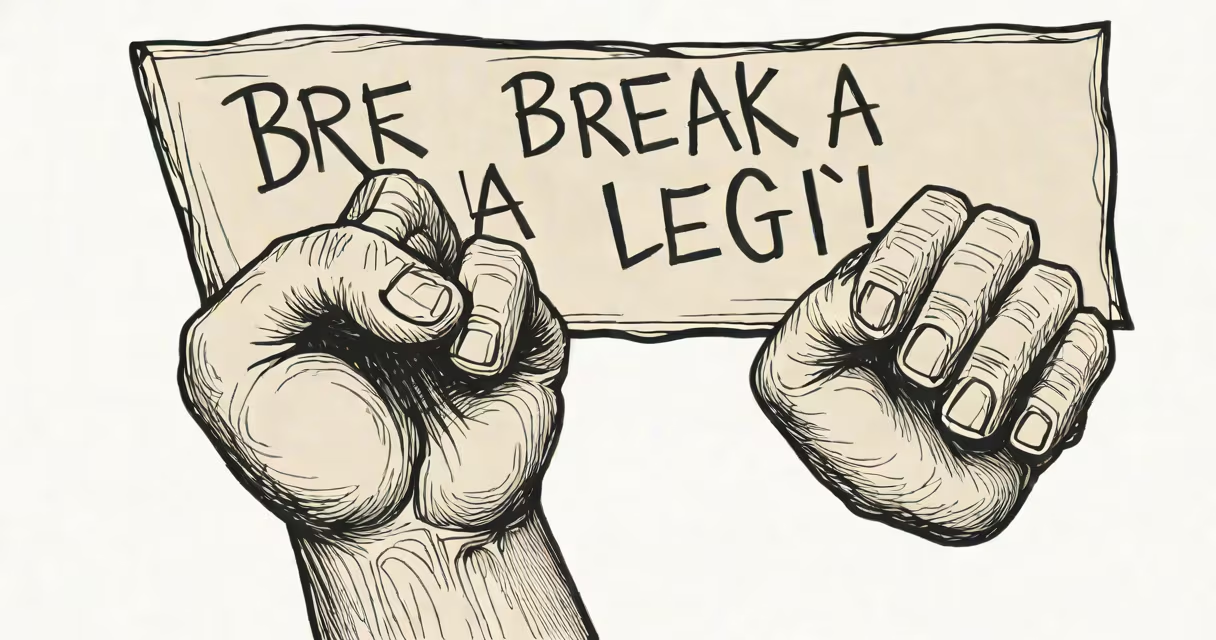
An idiom in figurative language is a fixed expression whose meaning cannot be deduced from the individual words. It conveys a concept or idea through cultural or linguistic convention rather than literal interpretation. Idioms are deeply embedded in spoken and written communication across English-speaking regions.
Idioms function as shorthand. Instead of describing a complex emotional state or situation in detail, speakers use a compact phrase that listeners recognize instantly. For example, saying "I'm under the weather" doesn't mean someone is physically beneath a weather system-it means they feel unwell. This kind of expression avoids lengthy explanations and adds color to conversation.
According to the Oxford English Dictionary, idioms are "phrases whose meanings cannot be inferred from the meanings of their component parts." This distinguishes them from metaphors or similes, which rely on comparison. Idioms are often opaque to non-native speakers and can cause confusion if taken literally. A speaker who says "He's pulling my leg" may be misunderstood as describing physical restraint unless the listener knows the idiom means teasing.
Idioms operate on shared understanding within a community. Their meanings are not logical but conventional. They emerge from historical usage, regional dialects, or metaphorical extensions of everyday experiences. Over time, repeated use embeds them into standard usage.
Consider "spill the beans." Literally, this means pouring dried beans out of a container. But in context, it means revealing a secret. The connection between the action and the meaning is arbitrary. The phrase likely originated in ancient Greece, where beans were used in voting. Spilling them meant exposing votes prematurely. The modern usage evolved from that root.
Idioms are not random. They follow patterns. Many involve body parts ("break a leg"), animals ("let the cat out of the bag"), or actions tied to daily life ("hit the books"). These associations make them memorable and easier to learn through repetition. Research from the University of Cambridge shows that idioms appear in 30% of casual conversations among native English speakers, underscoring their centrality in informal discourse.
Idioms fall into several categories based on structure and origin. Recognizing these types helps decode unfamiliar expressions and improves comprehension.
| Type | Structure | Example | Meaning |
|---|---|---|---|
| Noun-based | Phrase with a noun as core | "The early bird gets the worm" | Success goes to those who act first |
| Verb-based | Verbs combined with objects | "Kick the bucket" | To die |
| Adjective-based | Descriptive phrases | "Green with envy" | Extremely jealous |
| Prepositional | Phrases using prepositions | "On the ball" | Alert or competent |
Some idioms are region-specific. "I'm off to the loo" is common in British English, while Americans typically say "I'm going to the bathroom." The former uses "loo," a euphemism derived from old French, now part of British idiom. Such differences show how idioms reflect local culture and history.
A lesser-known fact: many idioms originate from sports or military jargon. "Get the ball rolling" comes from track and field events. "Throw in the towel" stems from boxing, where a cornerman signals surrender by tossing a towel into the ring. These origins explain why idioms often carry vivid imagery-even when the original context is forgotten.
Idioms appear most frequently in spoken language, informal writing, and media. They are rare in technical documents, academic papers, or legal texts, where precision matters more than tone. In contrast, novels, scripts, and dialogue rely heavily on idioms to sound authentic and convey emotion.
For example, in the film *The Godfather*, Michael Corleone says, "I'm gonna make him an offer he can't refuse." The phrase is an idiom that combines business language with threat. Its power lies in the contradiction: a "refusal" is impossible because the offer is too good-or too dangerous-to reject. This layered meaning makes the line unforgettable.
Idioms also serve social functions. Using them correctly signals fluency and belonging. Misusing them can mark someone as a non-native speaker or outsider. In job interviews, candidates who use idioms appropriately may seem more confident and culturally aware. However, overuse can appear forced or unprofessional in formal settings.
One challenge is that idioms don't translate well. "It's raining cats and dogs" means heavy rain-but translating it literally into Spanish or Mandarin fails to convey the intended intensity. This limits cross-cultural communication and requires careful adaptation in translation.
People often mistake idioms for metaphors or similes. A metaphor says "time is a thief," implying time steals moments. A simile says "time is like a thief," using "like" to compare. An idiom, however, is a fixed phrase with a non-literal meaning that cannot be broken down. "Time flies" is a metaphor. "Time flies when you're having fun" is an idiom-because the meaning isn't derived from the words.
Another error is assuming all idioms are old or obscure. While some date back centuries-like "barking up the wrong tree"-others emerge quickly. "Ghosting" (suddenly cutting off contact) became widespread in online dating around 2010. It's now a standard idiom in digital communication, showing how rapidly new expressions form.
Finally, people assume idioms are always informal. That's false. Formal writing includes idioms when appropriate. In a 2021 Harvard Business Review article, author Adam Grant wrote, "Don't throw in the towel before the game ends." The idiom reinforces resilience in leadership. It's effective because it's familiar and concise.
Let's walk through a complete example. The idiom "burn the midnight oil" means working late into the night. The literal image-a person setting fire to oil at midnight-is absurd. But the phrase has a clear origin: before electric lighting, people burned oil lamps to see at night. Working past midnight meant keeping the lamp lit, hence "burning the oil."
Today, the phrase is used in professional contexts. A manager might say, "I've been burning the midnight oil to finish the report." The speaker isn't actually setting fire to anything. The meaning is understood by anyone familiar with the expression. It conveys effort, dedication, and possibly exhaustion-all in six words.
I once used this idiom during a team meeting. A colleague responded, "You're not the only one-my inbox is full of emails from people who've been burning the midnight oil." The shared reference created instant rapport. We didn't need to explain our workload-we just used a phrase everyone recognized.
Understanding idioms isn't optional for fluent English. They appear in news headlines, social media, music lyrics, and advertising. Knowing them improves listening comprehension and helps avoid misunderstandings. For learners, practicing idioms through context-not memorization-is more effective than flashcards.