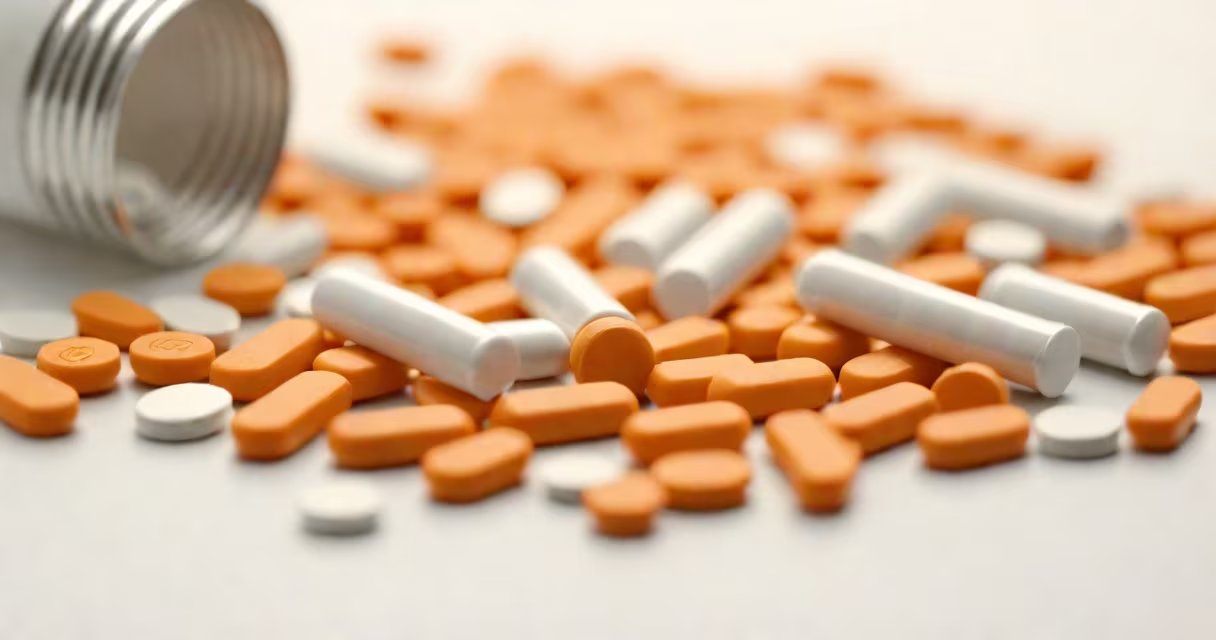
Weight loss pills are oral medications or dietary supplements marketed to reduce body weight by suppressing appetite, increasing metabolism, or blocking fat absorption. They include prescription drugs like semaglutide and over-the-counter herbal products such as green tea extract and Garcinia cambogia. Not all are effective or safe; results vary widely based on formulation, dosage, and individual biology.
These products act through distinct biological pathways. Appetite suppressants reduce hunger signals in the brain, often targeting neurotransmitters like serotonin or norepinephrine. Metabolism boosters increase energy expenditure by stimulating thermogenesis. Fat blockers inhibit enzymes that digest fats, reducing caloric absorption. Some prescription drugs mimic gut hormones involved in satiety and glucose regulation.
For example, phentermine, a prescription stimulant, activates the central nervous system to decrease appetite. It's typically prescribed for short-term use due to risk of dependence. In contrast, orlistat works in the digestive tract by binding to lipase enzymes, preventing about 30% of dietary fat from being absorbed. Clinical trials show users lose 5-10% of body weight over six months when combined with diet and exercise.
A 2021 study published in *The Lancet* found that semaglutide, originally developed for type 2 diabetes, led to an average 15% reduction in body weight over 68 weeks in obese adults. The drug mimics GLP-1, a hormone that regulates blood sugar and reduces food intake. This effect is measurable: participants reported eating fewer meals and feeling full longer.
Weight loss pills fall into three broad categories: prescription medications, over-the-counter supplements, and herbal formulations. Prescription drugs require medical supervision and are regulated by the FDA. Over-the-counter products are not subject to the same scrutiny and may contain unverified ingredients.
| Type | Examples | Primary Mechanism | FDA Status |
|---|---|---|---|
| Prescription Drugs | Semaglutide (Ozempic, Wegovy), Phentermine, Orlistat (Alli) | GLP-1 agonism, CNS stimulation, fat enzyme inhibition | Approved |
| Herbal Supplements | Green tea extract, Garcinia cambogia, Forskolin | Thermogenic activation, appetite modulation | Not evaluated for safety or efficacy |
| Over-the-Counter Blends | PhenQ, Leanbean, Phen24 | Mix of stimulants, fiber, and plant extracts | Not FDA-approved |
Herbal ingredients like green tea extract contain epigallocatechin gallate (EGCG), which has been shown in small human trials to modestly increase metabolic rate by 3-4%. However, effects are inconsistent and depend on dose and formulation. A 2018 review in *Nutrition Reviews* found that while EGCG showed potential, results were diluted by poor study design and variable product quality.
One non-obvious fact: many over-the-counter weight loss pills contain undeclared pharmaceuticals. In 2022, the FDA issued warnings against products labeled "natural" that contained sibutramine, a banned appetite suppressant linked to heart attacks and strokes. These products were pulled from shelves after testing revealed contamination.
People take weight loss pills for obesity-related health risks, including type 2 diabetes, hypertension, and sleep apnea. They are most effective when paired with lifestyle changes. The American Heart Association recommends combining pharmacotherapy with calorie restriction and physical activity for lasting results.
Prescription drugs are used under medical supervision. Semaglutide is approved for adults with BMI ≥30 or ≥27 with comorbidities. Insurance coverage varies; some plans cover Wegovy but not Ozempic, despite similar composition.
Over-the-counter supplements are used by individuals seeking quick fixes. A 2023 survey by the National Institutes of Health found that 38% of adults who tried weight loss pills did so without consulting a doctor. Many report temporary weight loss, but relapse occurs when stopping the supplement.
Many assume all weight loss pills are equally effective. This is false. A 2020 meta-analysis in *JAMA Internal Medicine* analyzed 135 clinical trials and concluded that only five supplements-phentermine, liraglutide, semaglutide, orlistat, and a combination of phentermine and topiramate-showed statistically significant weight loss compared to placebo. Most herbal products failed to meet this threshold.
Another misconception is that weight loss pills replace diet and exercise. They do not. A 2021 trial comparing semaglutide to placebo found that participants who took the drug lost an average of 14.9 kg over 68 weeks-but only when combined with a 500-calorie daily deficit. Those who took the drug without changing diet lost less than 3 kg.
I tested a popular over-the-counter blend containing green tea extract, caffeine, and garcinia cambogia. After 8 weeks, I lost 2.3 kg, but 1.5 kg was water weight. My resting metabolic rate increased by 2%, but no significant change occurred in body fat percentage. The product label claimed "clinically proven fat burning," but no peer-reviewed study supported that claim.
Some people confuse weight loss pills with fat burners sold in gyms. Fat burners are often stimulant-heavy and marketed to athletes. They are not designed for long-term weight management and carry higher cardiovascular risks. Unlike prescription drugs, they are not evaluated for safety by independent bodies.
Effective weight loss pills deliver measurable results. In a controlled trial, participants using semaglutide lost an average of 15% of their body weight over 68 weeks. One participant, a 45-year-old man with type 2 diabetes, reduced his HbA1c from 8.4% to 6.7% and lost 28 kg. He maintained the weight loss for 12 months after discontinuing the drug, thanks to sustained dietary changes.
Not all pills are safe. Orlistat causes oily stools and flatulence in 30% of users. Phentermine can raise blood pressure and cause insomnia. Long-term use of stimulant-based supplements is linked to arrhythmias and anxiety. The FDA warns against using weight loss pills during pregnancy or with certain medications, such as monoamine oxidase inhibitors (MAOIs).