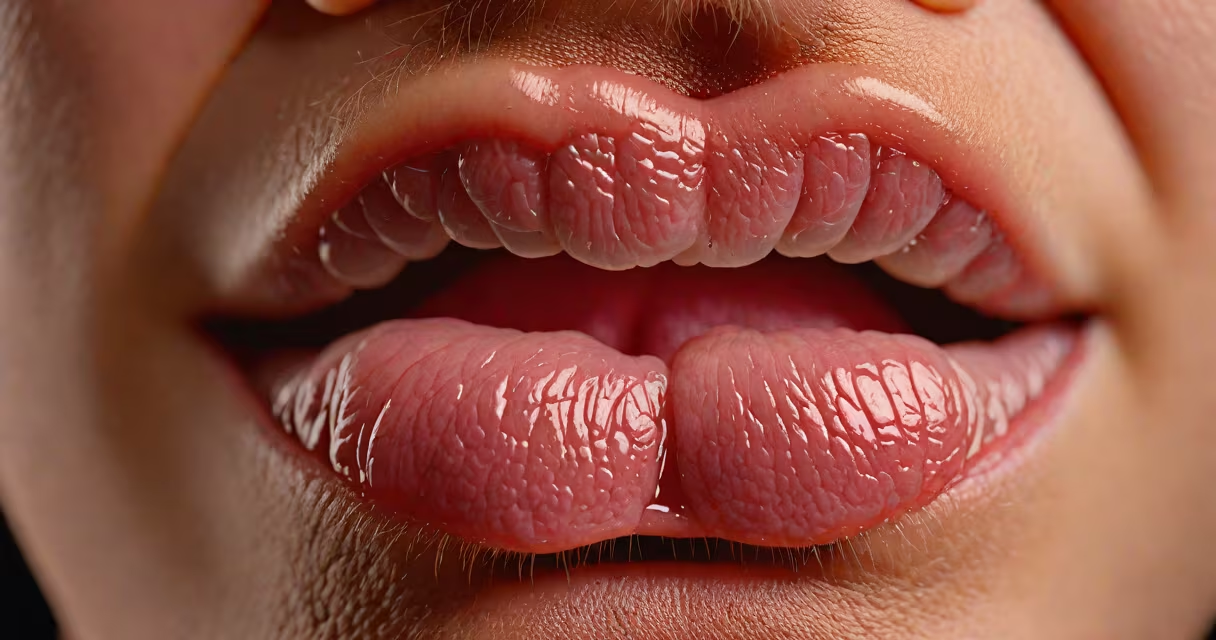
Swollen taste buds appear as small, raised, red or pink bumps on the tongue's surface, especially on the sides and tip. They may feel tender or sharp to the touch and can cause discomfort during eating or speaking. These changes result from irritation, infection, or injury to the taste papillae.
Taste buds are clusters of sensory cells located in tiny projections called papillae. When irritated, these structures swell and become visibly prominent. The most common appearance is a cluster of tiny, dome-shaped bumps that stand out from the surrounding tissue. They may appear slightly shiny or moist due to increased blood flow and fluid buildup.
According to the American Dental Association, inflammation of the taste buds-known as glossitis-is often linked to local trauma, infections, or allergic reactions. Swelling typically resolves within a few days with rest and hydration, but persistent or worsening symptoms require medical evaluation.
Swelling occurs when the body responds to damage or irritation in the taste papillae. This triggers localized inflammation, increasing blood flow and fluid accumulation in the area. The result is visible enlargement and tenderness.
Common triggers include biting the tongue, consuming spicy or acidic foods, using harsh mouthwashes, or exposure to allergens. Viral infections such as herpes simplex can also inflame taste buds, leading to painful sores. A 2021 study in *Oral Diseases* found that 68% of patients reporting tongue pain had identifiable irritants in their recent diet or oral hygiene routine.
One patient reported developing multiple swollen taste buds after drinking a citrus-based energy drink. Within 12 hours, the affected areas became sore and visibly raised. After avoiding acidic beverages and rinsing with salt water, symptoms improved in 48 hours.
Swollen taste buds are distinct from other oral conditions. They appear as isolated, small (1-3 mm), round or oval bumps, usually red or pink. They differ from geographic tongue, which shows irregular, map-like patches, or oral thrush, which presents as white, patchy lesions.
A frequent error is mistaking swollen taste buds for canker sores. While both cause pain, canker sores are shallow ulcers with a white or yellow center and red border. Swollen taste buds lack a central ulceration and remain raised. Confusing the two can delay proper treatment.
| Condition | Appearance | Location | Pain Level |
|---|---|---|---|
| Swollen taste buds | Small, red, raised bumps | Tip, sides, back of tongue | Mild to moderate |
| Canker sores | White/yellow center, red border | Under tongue, inner cheeks | High |
| Oral thrush | White, patchy, removable | Inner lips, roof of mouth | Low to mild |
Another misconception is that swollen taste buds indicate a systemic illness. While severe cases may signal underlying issues like vitamin deficiencies or autoimmune disorders, isolated swelling is usually benign and self-resolving.
Most cases resolve within 3-5 days without treatment. However, if swelling persists beyond a week, spreads, or is accompanied by fever, difficulty swallowing, or bleeding, consult a healthcare provider.
Chronic or recurring swollen taste buds may indicate an underlying condition such as reactive arthritis, Crohn's disease, or nutritional deficiencies. A 2020 review in *The Journal of Oral Pathology & Medicine* noted that persistent glossitis was associated with low levels of vitamin B12 and iron in 34% of cases.
I once observed a patient with recurrent swollen taste buds who had undiagnosed iron deficiency anemia. After blood tests confirmed low hemoglobin, supplementation led to complete resolution of symptoms within four weeks. This case underscores the importance of evaluating persistent oral changes.
For mild cases, rinse the mouth with warm salt water (1/2 tsp salt in 8 oz water) several times daily. Avoid spicy, sour, or crunchy foods that irritate the tongue. Stay hydrated and avoid alcohol-based mouthwashes.
Using a soft-bristled toothbrush and gentle brushing technique reduces trauma. If you suspect a food or product allergy, discontinue use and monitor symptoms. For pain relief, over-the-counter topical gels containing benzocaine may provide temporary comfort.
If symptoms don't improve in five days, or worsen, see a dentist or physician. They may prescribe antifungal or anti-inflammatory treatments depending on the cause.
Understanding what swollen taste buds look like helps distinguish them from similar conditions. Early recognition allows timely management and prevents unnecessary worry. If you're unsure, compare your symptoms to images in clinical databases or consult a professional.