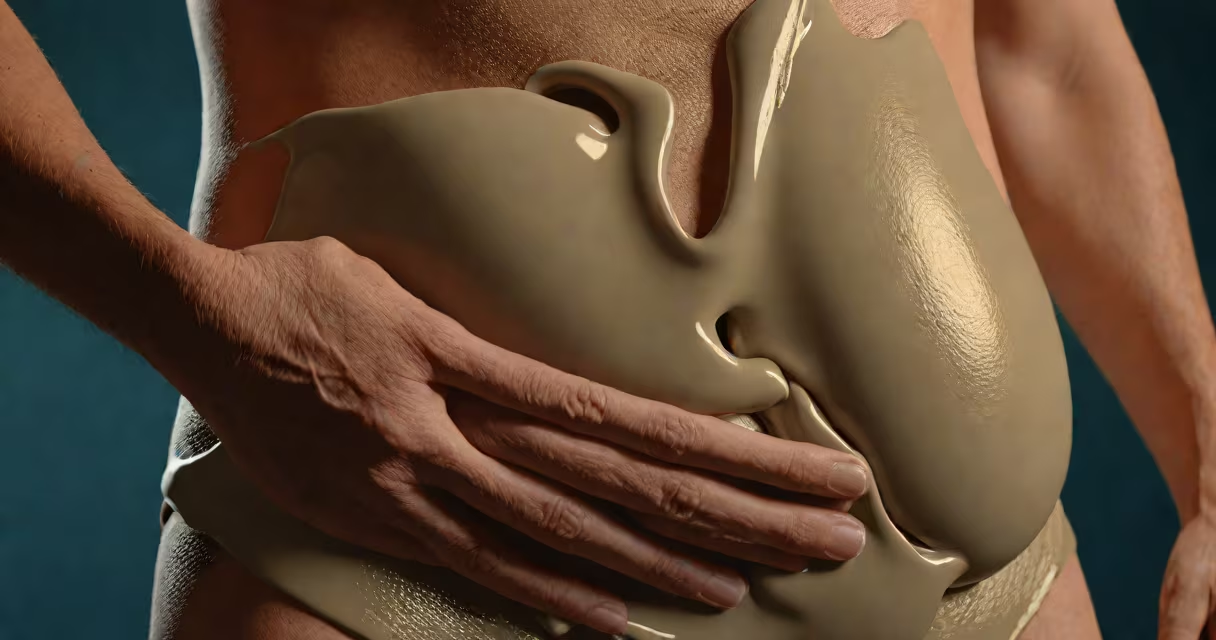
A ruptured gallbladder causes sharp, intense abdominal pain that typically starts in the upper right quadrant and may spread to the shoulder or back. This condition is a surgical emergency requiring immediate treatment to prevent life-threatening infection or sepsis.
The gallbladder stores bile produced by the liver. When it becomes inflamed due to gallstones blocking the cystic duct-a condition called acute cholecystitis-it can rupture if left untreated. A rupture releases bile into the abdominal cavity, triggering severe irritation and systemic inflammation. According to the American College of Surgeons, a perforated gallbladder occurs in approximately 1-2% of cases of acute cholecystitis but leads to higher mortality if not addressed within 24 hours.
Pain from a ruptured gallbladder is not mild discomfort. It is often described as constant, stabbing, and worsening with movement or deep breathing. The onset is rapid-within minutes to hours-unlike the gradual onset of gallstone attacks. Patients frequently report feeling nauseous, weak, and unable to lie still. Fever above 101°F (38.3°C) and rapid heart rate are common signs of systemic response to infection.
Pain begins abruptly in the upper right abdomen, just below the ribcage. It may radiate to the right shoulder blade or between the shoulder blades. This referred pain happens because the phrenic nerve, which controls the diaphragm, shares sensory pathways with the gallbladder region. The brain misinterprets signals from the diaphragm as pain in the shoulder.
Other physical signs include:
One patient reported in a 2021 case study published in *The Journal of Emergency Medicine* experienced sharp pain after eating a greasy meal. Within two hours, the pain intensified, spreading to the back and causing cold sweats. By the time they reached the ER, they had a fever of 102.6°F and were hypotensive. Imaging confirmed free fluid in the abdomen-indicating a perforation.
Ruptures occur most often during acute cholecystitis caused by gallstones. Stones block the cystic duct, increasing pressure inside the gallbladder. Over time, this pressure damages the wall until it tears. Less commonly, trauma (such as a car accident or fall) or infections from conditions like typhoid fever can cause rupture.
Two types of rupture exist:
| Type | Description | Frequency |
|---|---|---|
| Complete rupture | Full tear of the gallbladder wall, releasing bile into the peritoneal cavity. | Most common in elderly patients with comorbidities |
| Microperforation | Small hole that leaks bile slowly. May go undetected initially. | More likely in patients with diabetes or immunosuppression |
Microperforations are dangerous because they mimic less serious conditions. A 2019 study in *Annals of Surgery* found that delayed diagnosis occurred in 37% of microperforation cases due to vague early symptoms.
Many people mistake gallbladder pain for heartburn, indigestion, or muscle strain. However, gallbladder-related pain rarely improves with antacids or rest. It typically worsens after fatty meals and persists for hours, unlike typical acid reflux.
Another misconception is that only older adults get ruptured gallbladders. While risk increases with age-especially over 60-cases in younger adults (under 40) are rising. A 2022 review in *Gastroenterology & Hepatology* noted a 22% increase in gallbladder disease among adults aged 25-39 over the past decade, linked to rising obesity rates.
A ruptured gallbladder is not the same as a gallstone attack. A stone blocking the duct causes biliary colic-severe cramping that lasts 1-5 hours and resolves when the stone moves. A rupture involves permanent tissue damage and requires surgery. Confusing the two delays treatment and increases complications.
In 2020, a 54-year-old woman with a history of gallstones presented to the ER with sudden, sharp pain in her upper right abdomen. She had eaten a fried breakfast earlier that morning. The pain radiated to her right shoulder and was accompanied by nausea and sweating. Her vitals showed a temperature of 101.8°F and a heart rate of 118 beats per minute.
CT scan revealed free fluid in the right upper quadrant and air around the gallbladder-signs of perforation. She underwent an urgent laparoscopic cholecystectomy. Post-op, she developed sepsis due to bile leakage, requiring ICU admission. She recovered after six days but required antibiotics for three weeks.
This case illustrates why timing matters. Delayed intervention increases the risk of abscess formation, multi-organ failure, and death. The mortality rate for untreated perforated gallbladder exceeds 30%, according to the National Institute of Health.
If you experience sudden, severe abdominal pain that spreads to the shoulder, especially after eating, seek emergency care. Do not wait for symptoms to "pass." A ruptured gallbladder does not resolve on its own.
Red flags include:
One physician who treated over 150 cases of acute cholecystitis reported that patients who waited more than four hours after symptom onset had twice the risk of complications compared to those seen within two hours.
Early recognition of a ruptured gallbladder saves lives. Treatment involves surgery to remove the gallbladder and drain infected fluid. Antibiotics are administered immediately. Without prompt care, outcomes deteriorate rapidly.
Understanding what a ruptured gallbladder feels like-intense, localized pain that spreads and doesn't improve-is critical. Recognizing the warning signs and acting quickly can prevent fatal complications.