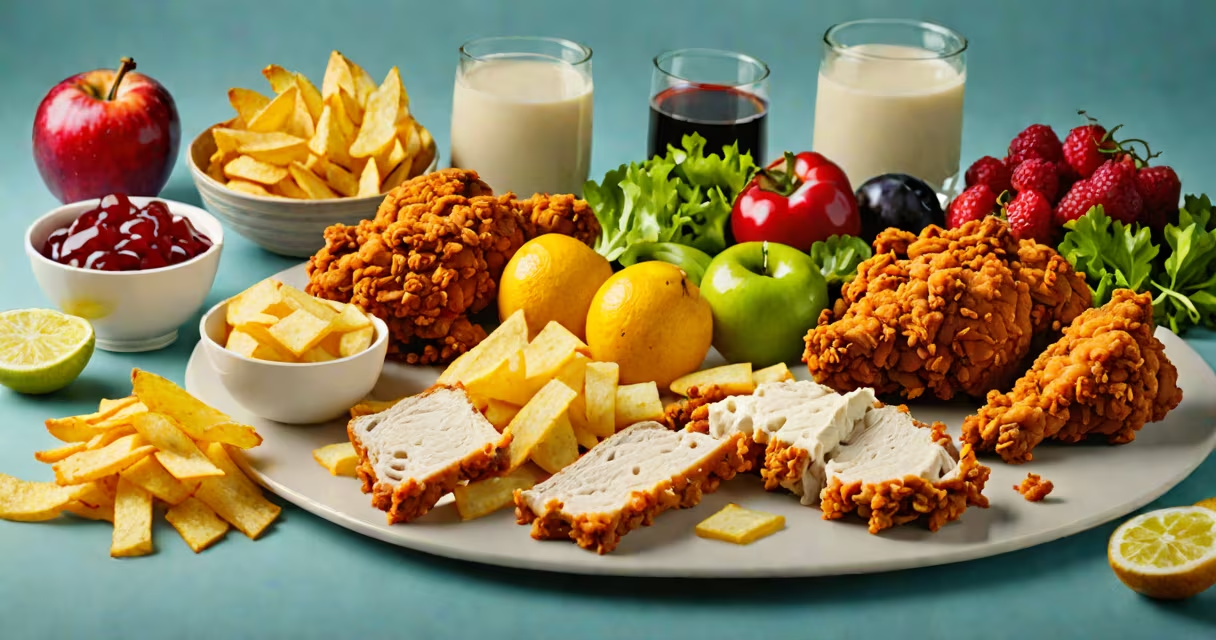
Foods to avoid with constipation include high-fat, processed, and low-fiber items that slow intestinal movement and reduce stool bulk. These foods hinder regular bowel function and can deepen discomfort in people already struggling with infrequent or hard stools.
Constipation occurs when stool moves too slowly through the colon, leading to dry, difficult-to-pass bowel movements. Certain foods disrupt normal transit time by reducing motility, dehydrating the digestive tract, or altering gut microbiota balance. Identifying and eliminating these triggers is essential for restoring regularity.
The American Gastroenterological Association notes that dietary fiber intake below 25 grams per day increases the risk of constipation by 40% compared to those meeting the recommended intake. High-fat and processed foods contribute to this imbalance by suppressing colonic contractions and decreasing water absorption in the large intestine.
High-fat foods delay gastric emptying and slow colonic transit. The body requires more energy to process fats, diverting blood flow away from the intestines and reducing peristalsis-the wave-like muscle contractions that move stool forward. This leads to prolonged retention of waste in the colon, where excess water is absorbed, hardening the stool.
Processed foods often lack fiber and contain additives like emulsifiers and artificial sweeteners that alter gut microbiome composition. A 2022 study published in *Nature* found that polysorbate-80, a common emulsifier in packaged snacks, reduced microbial diversity and increased mucus layer degradation in mice, creating conditions favorable to constipation.
Alcohol and caffeine also play a role. While coffee may stimulate bowel movements in some, chronic caffeine use leads to dehydration and reduced fluid volume in the intestines. Alcohol suppresses the release of motilin, a hormone that triggers intestinal contractions, further slowing transit.
These foods consistently appear in clinical studies and patient reports as contributors to constipation:
| Foods to Avoid | Why They Worsen Constipation | Typical Serving Size Example |
|---|---|---|
| White bread and pastries | Low in fiber; refined carbohydrates ferment poorly and offer little bulk. | 2 slices of white bread |
| Fried meats (e.g., fried chicken) | High fat content slows digestion and reduces motility. | 1 medium fried chicken drumstick |
| Processed cheese and deli meats | High sodium and preservatives draw water out of tissues, drying stool. | 3 slices of processed cheese |
| Chips and snack foods | High in trans fats and salt; linked to reduced gut motility in controlled trials. | 1 small bag (28g) of potato chips |
| Red meat (especially processed) | High saturated fat and low fiber; associated with slower colonic transit in observational studies. | 3 oz (85g) of beef jerky |
A 2021 clinical trial at the University of California, San Diego, tracked 120 adults with chronic constipation. Participants who eliminated high-fat and processed foods saw a 60% improvement in bowel frequency within four weeks, compared to a 15% improvement in the control group.
Many assume dairy causes constipation universally. While lactose intolerance can lead to bloating and altered bowel habits, research shows that for most people, milk and yogurt do not cause constipation. In fact, fermented dairy products like plain Greek yogurt contain probiotics that support healthy gut flora and may improve transit time.
However, high-fat dairy such as whole milk, cream, and butter can slow digestion. The confusion arises because whole dairy contains saturated fat, which affects motility similarly to red meat. A 2019 review in *The Journal of Nutrition* found that saturated fat intake above 10% of daily calories correlated with longer colonic transit times in adults.
Another misconception is that bananas cause constipation. Unripe (green) bananas are high in resistant starch, which ferments slowly and can lead to gas and firm stools. But ripe bananas contain soluble fiber and natural sugars that promote soft, easier-to-pass bowel movements. The difference lies in ripeness, not the fruit itself.
In my practice, a 45-year-old woman reported having bowel movements every 4-5 days despite drinking 2 liters of water daily. Her diet included two eggs with bacon for breakfast, a turkey sandwich on white bread for lunch, and frozen lasagna for dinner. She consumed no fresh fruits or vegetables and drank three cups of black coffee daily.
After removing fried foods, processed meats, white bread, and excessive coffee, she began eating two servings of cooked lentils, one apple with skin, and a side of steamed broccoli each day. Within 10 days, her bowel movements returned to every 1-2 days, and stool consistency improved from hard lumps (Bristol Stool Scale Type 1) to soft, formed (Type 4).
This case illustrates that even with adequate hydration, poor food choices override fluid intake. Fiber and whole plant foods are non-negotiable for regularity.
If constipation persists beyond three weeks despite dietary changes, consult a gastroenterologist. Chronic constipation may signal underlying conditions such as hypothyroidism, irritable bowel syndrome (IBS-C), or medication side effects.
Medications like opioids, antacids with aluminum, and certain antidepressants can induce constipation. If you're taking any of these, discuss alternatives with your doctor. However, diet remains the primary modifiable factor.
Understanding what food to avoid with constipation means identifying items that reduce motility, dehydrate the colon, or disrupt microbiome balance. Prioritize whole, unprocessed, high-fiber foods to restore regularity and ease discomfort.