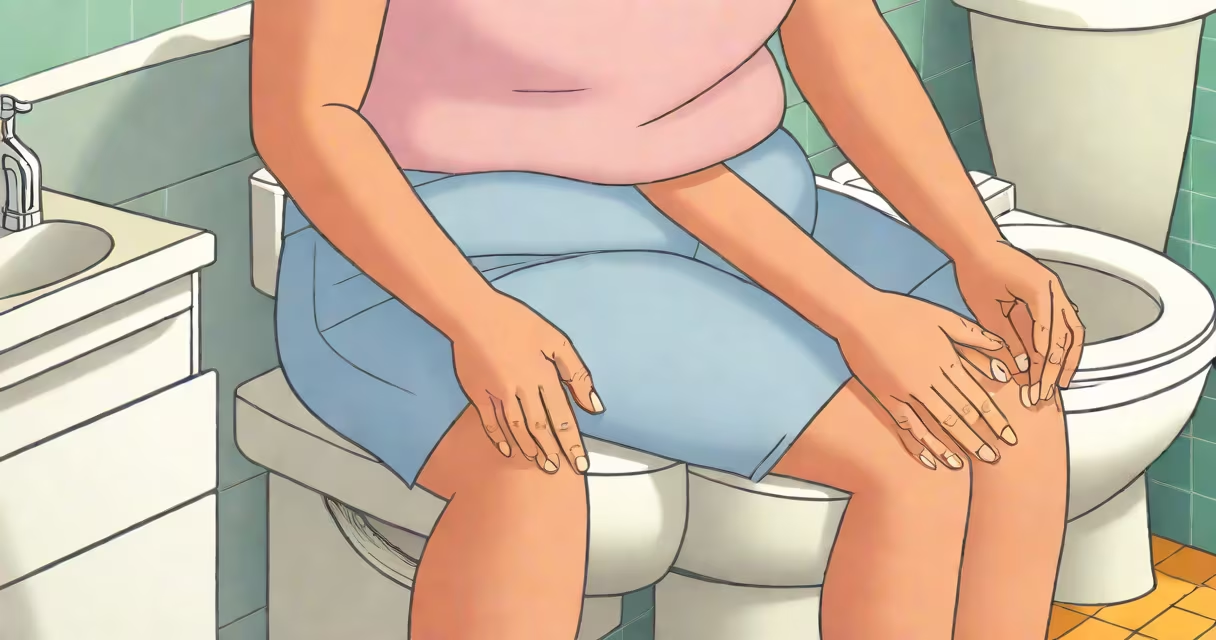
Stomach burning after defecation occurs when irritation, acid exposure, or nerve signals trigger a burning sensation in the abdomen shortly after a bowel movement. This symptom often results from gastrointestinal conditions like acid reflux, irritable bowel syndrome (IBS), or food sensitivities, rather than the act of pooping itself.
The sensation typically arises in the upper or middle abdomen, sometimes radiating to the chest. It's not caused by stool contacting the skin or internal organs directly. Instead, it reflects underlying gut function issues. The burning usually lasts minutes to an hour and may recur with certain meals or stress.
According to the American College of Gastroenterology, post-defecation abdominal pain or burning affects up to 15% of adults with functional gastrointestinal disorders. While occasional episodes are common, persistent symptoms require evaluation to rule out serious conditions.
Burning after pooping stems from changes in pressure, blood flow, or chemical activity in the lower digestive tract during and after defecation. As the rectum empties, the pelvic floor muscles contract and relax. This movement can stimulate nearby nerves, sending signals interpreted by the brain as pain or burning, especially in people with heightened gut sensitivity.
Acid reflux is another mechanism. A bowel movement increases intra-abdominal pressure. This pressure can push stomach contents upward into the esophagus, particularly if the lower esophageal sphincter is weak. The resulting acid exposure irritates the esophageal lining, causing a burning sensation behind the breastbone or in the upper abdomen.
A 2021 study published in *Gut* found that 38% of patients with chronic post-defecation burning had delayed gastric emptying. Slower digestion allows acid to linger, increasing the chance of reflux during straining or bowel movement-related pressure shifts.
Several distinct conditions can lead to burning after pooping. They differ in origin, triggers, and treatment.
| Condition | Key Trigger | Typical Symptoms | Prevalence |
|---|---|---|---|
| GERD (gastroesophageal reflux disease) | Increased abdominal pressure during straining | Burning in chest or upper abdomen, regurgitation | 20% of U.S. adults |
| Irritable bowel syndrome (IBS) | Altered gut motility, visceral hypersensitivity | Bloating, cramping, burning after bowel movements | 10-15% of global population |
| Lactose intolerance | Consumption of dairy products | Gas, bloating, cramps, burning after bowel movement | 65% of adults worldwide |
| Small intestinal bacterial overgrowth (SIBO) | Excess bacteria in small intestine | Abdominal distension, diarrhea, burning sensation | 10% of elderly patients |
GERD is the most frequently overlooked cause. Many assume heartburn only happens after eating, but straining during bowel movements can trigger reflux. A 2019 study in *Clinical Gastroenterology and Hepatology* showed that 42% of GERD patients reported worsening symptoms during or after defecation.
IBS-related burning often follows loose or frequent stools. The condition involves abnormal nerve signaling in the gut wall. Even normal bowel movements can trigger discomfort due to heightened sensitivity. The Rome IV criteria define IBS based on recurrent abdominal pain associated with defecation patterns.
SIBO leads to fermentation of undigested carbohydrates, producing gas and acids that irritate the intestinal lining. This irritation can manifest as burning after bowel movements, especially after consuming high-fiber or high-carb meals.
People often mistake post-defecation burning for hemorrhoids or anal fissures. Hemorrhoids cause itching, bleeding, or sharp pain during or after bowel movements, not a deep, burning sensation in the abdomen. Fissures cause sudden, severe pain, often described as "tearing," not a dull, lingering burn.
Another confusion is mistaking the symptom for a urinary tract infection. UTIs cause burning during urination, not after defecation. The location of the pain-lower abdomen or pelvis versus upper abdomen-helps distinguish between gastrointestinal and genitourinary causes.
Some individuals assume the burning is due to "toxins" being released during a bowel movement. This idea lacks scientific basis. The body doesn't store toxins in stool that cause systemic burning. The sensation is neurological or chemical, not toxicological.
Consult a healthcare provider if burning persists beyond a few days, worsens over time, or is accompanied by warning signs. These include unexplained weight loss, blood in stool, difficulty swallowing, or vomiting.
For example, a 42-year-old woman reported daily burning after bowel movements lasting six weeks. She had no history of acid reflux but experienced relief after eliminating dairy. A hydrogen breath test confirmed lactose intolerance. After switching to lactose-free alternatives, her symptoms resolved within two weeks.
Chronic cases may require diagnostic testing. A gastroenterologist might recommend an upper endoscopy to assess for esophagitis or Barrett's esophagus. For suspected SIBO, a lactulose breath test measures hydrogen levels after ingestion. IBS diagnosis relies on symptom patterns per Rome IV criteria.
Post-defecation burning is rarely a sign of cancer. However, persistent symptoms demand evaluation to prevent complications such as chronic inflammation or malabsorption. Early intervention improves outcomes and quality of life.