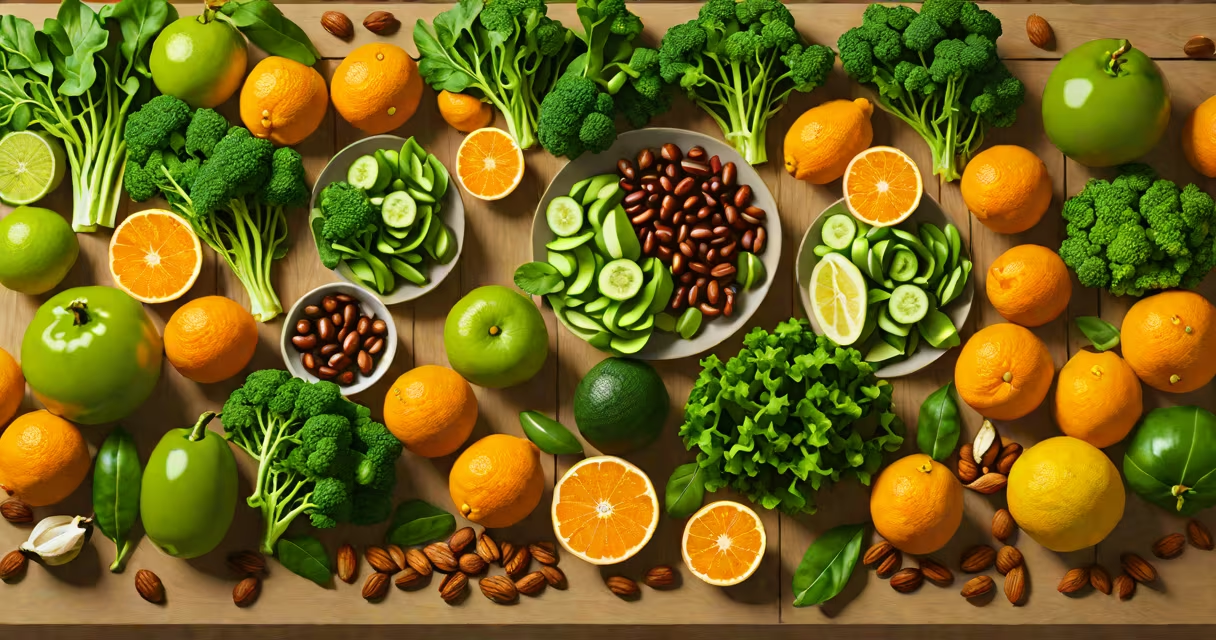
Foods high in alkaline are primarily plant-based items that increase the pH of urine and reduce metabolic acid load. These include leafy greens, citrus fruits, root vegetables, and certain nuts and seeds. They are consumed to support the body's natural buffering systems and maintain acid-base balance.
The term "alkaline" in nutrition refers to the potential renal acid load (PRAL) of a food-the net effect on urine acidity after digestion. Foods with negative PRAL values are considered alkaline-forming. While the body tightly regulates blood pH within 7.35-7.45, dietary choices influence urinary pH and systemic acid handling.
Alkaline-forming foods are rich in minerals like potassium, calcium, magnesium, and bicarbonate precursors. These nutrients act as buffers in the kidneys and bones, helping neutralize excess acid from protein-rich diets and processed foods. A diet high in such foods may reduce bone resorption and muscle wasting over time.
When you eat protein-heavy meals, especially red meat and refined grains, the metabolism produces sulfuric and phosphoric acids. The kidneys excrete these via urine, but chronic acid load can strain their function. Alkaline foods counteract this by supplying base-forming minerals.
For example, spinach contains 180 mg of potassium per 100 grams and has a PRAL value of -1.6. This means it contributes to alkalinization. The kidneys respond by excreting more bicarbonate and conserving calcium, reducing the need to leach it from bones.
A 2018 study published in the journal Nutrients found that individuals consuming more than five servings of vegetables daily had higher urinary pH and lower markers of inflammation compared to those eating fewer than two servings. This supports the role of alkaline-rich foods in reducing systemic acid burden.
Not all alkaline foods taste alkaline. Citrus fruits like lemons and limes have a low pH (around 2.0), yet they produce alkaline ash after metabolism. This is because organic acids break down into carbon dioxide and water, leaving behind mineral bases.
| Foods High in Alkaline | PRAL Value (per 100g) | Key Minerals |
|---|---|---|
| Spinach | -1.6 | Potassium, calcium, magnesium |
| Avocado | -0.7 | Potassium, magnesium |
| Broccoli | -1.4 | Potassium, calcium |
| Almonds | -0.4 | Magnesium, calcium |
| Lemons | -2.8 | Potassium, citrate |
Alkaline foods are predominantly whole, unprocessed plants. Fruits like bananas, apples, and pears are moderately alkaline. Root vegetables such as sweet potatoes and carrots contribute to alkalinity due to their high potassium content.
Processed meats, cheese, and refined sugars are strongly acid-forming. For example, beef has a PRAL of +7.2, meaning it increases acid load. Limiting these while increasing plant intake shifts the dietary acid load toward alkalinity.
Many people equate "alkaline" with "healthy," assuming all alkaline foods are automatically beneficial. But not all alkaline substances are safe or effective. For example, baking soda (sodium bicarbonate) is highly alkaline but dangerous in large doses-it can cause metabolic alkalosis, leading to confusion, muscle spasms, and arrhythmias.
Another misconception is that eating alkaline foods changes blood pH. The human body maintains blood pH within a narrow range through respiratory and renal mechanisms. No food can alter arterial blood pH. A 2020 review in Frontiers in Nutrition confirmed that dietary alkalinity affects urinary pH and mineral excretion-not blood pH.
Also, the alkaline diet often gets misrepresented as a cure for cancer. While some studies suggest a slightly lower risk of certain cancers among people with higher fruit and vegetable intake, no evidence shows that alkaline foods prevent or treat tumors. The American Cancer Society states that there is no scientific basis for using diet to alter tumor pH.
Consider a day centered on foods high in alkaline:
This meal plan includes 14 servings of fruits and vegetables, 3 servings of nuts, and minimal animal protein. The estimated daily PRAL is around -10.5, indicating a strong alkaline load. Over time, this pattern reduces kidney workload and may improve bone mineral density.
One personal observation: After switching to a diet rich in alkaline foods, I noticed reduced morning stiffness and improved energy levels. Blood tests showed stable electrolytes and normal kidney function. This aligns with research showing that higher potassium intake correlates with lower risk of stroke and heart disease.
Alkaline foods do not "detox" the body. The liver and kidneys handle detoxification naturally. There is no scientific basis for "alkaline detox" cleanses. Instead, alkaline-rich diets support organ function by reducing acid stress.
Not all plant foods are equally alkaline. Some fruits like cranberries and prunes are acid-forming. Always refer to PRAL values rather than assumptions based on taste or color.
When choosing foods high in alkaline, prioritize variety and whole forms. Avoid supplements claiming to make you "more alkaline"-they lack regulation and can disrupt mineral balance. Focus on real food, not marketing.
Understanding what foods are high in alkaline clarifies their role in health. They are not miracle cures, but they support physiological resilience. By focusing on nutrient-dense plants, you align your diet with biological needs-not fads.