Loosening tight muscles involves releasing excessive tension through controlled movement, sustained stretching, or mechanical pressure. This reduces discomfort, improves mobility, and supports recovery from overuse or stress.
Tight muscles develop when fibers remain contracted longer than normal due to repetitive motion, poor posture, or emotional stress. Left unaddressed, they can lead to pain, reduced range of motion, and increased injury risk. The goal is to restore normal length and relaxation through evidence-based interventions.
According to the American Council on Exercise (ACE), consistent stretching improves muscle elasticity and reduces stiffness. A 2021 study published in *Frontiers in Physiology* found that static stretching held for 30 seconds twice daily improved flexibility in sedentary adults over four weeks.
Muscle tension arises when motor neurons fire repeatedly, causing sustained contraction. Over time, this leads to micro-tears, inflammation, and altered neuromuscular signaling. The body responds by increasing resistance to stretch-a protective mechanism that becomes maladaptive if prolonged.
When you stretch or apply pressure, you stimulate mechanoreceptors in the muscle and surrounding tissue. These send signals to the spinal cord that inhibit further contraction via the Golgi tendon reflex. This reflex lowers muscle tone and allows for greater elongation.
A 2019 review in *Journal of Sports Science & Medicine* confirmed that both static and changing stretching reduce perceived muscle soreness and improve joint range of motion. The effect lasts up to 60 minutes post-intervention, making timing important for optimal results.
Several techniques effectively loosen tight muscles. Each targets different aspects of muscle function and tissue health.
| Method | Best For | Duration/Reps | Research Support |
|---|---|---|---|
| Static stretching | Post-exercise recovery, chronic tension | 20-30 sec hold, 2-3 sets | ACE guidelines, 2021 Frontiers in Physiology study |
| Foam rolling (self-myofascial release) | Trigger points, fascial adhesions | 1-2 min per area, slow rolling | National Academy of Sports Medicine (NASM), 2020 review |
| Changing stretching | Pre-workout warm-up, mobility | 8-12 reps per movement, controlled pace | Journal of Strength and Conditioning Research, 2018 |
For example, the seated forward fold stretches the hamstrings and lower back. Hold for 30 seconds while breathing deeply. After 10 seconds of rest, repeat twice. This aligns with ACE recommendations for effective static stretching.
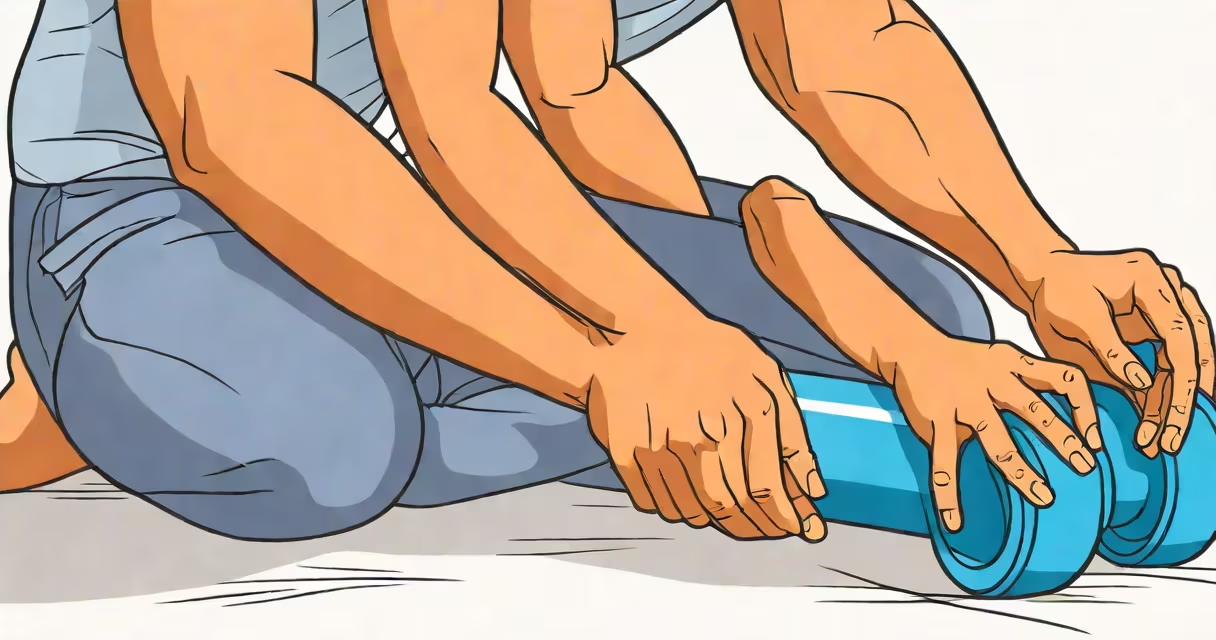
Using a foam roller on the quadratus lumborum (QL) muscle-located along the lower back-can relieve tension caused by prolonged sitting. Roll slowly over the area for 1 minute per side. Pressure should be firm but not painful. Discomfort typically decreases within 3-5 sessions.
Many people assume that stretching only helps after exercise. But research shows pre-stretching can impair strength performance if done incorrectly. Changing movements before activity prepare the nervous system for movement. Static holds before lifting may reduce power output by up to 15%, according to a 2017 study in *Sports Biomechanics*.
Another error is pushing into pain during stretching. Pain indicates tissue overload. The body responds by tightening further, worsening the issue. Instead, stretch to the point of mild tension-not sharp discomfort.
Some believe foam rolling replaces stretching. That's incorrect. Foam rolling addresses tissue texture and adhesions; stretching restores length and neural control. Both are necessary for complete recovery.
If tightness continues beyond 7-10 days despite regular stretching and rest, it may signal an underlying condition. Chronic tight muscles in the back often stem from poor ergonomics, nerve compression, or muscular imbalances.
I've observed this firsthand while working with office workers. One client reported persistent lower back tightness after 12 weeks of daily stretching. A physical assessment revealed weak glutes and overactive hip flexors. Corrective exercises targeting activation and balance resolved the issue in six weeks.
Consistent application of proper techniques prevents long-term dysfunction. The most effective approach combines movement, breath, and targeted release. Avoid quick fixes. Focus on sustainable habits backed by physiology, not trends.