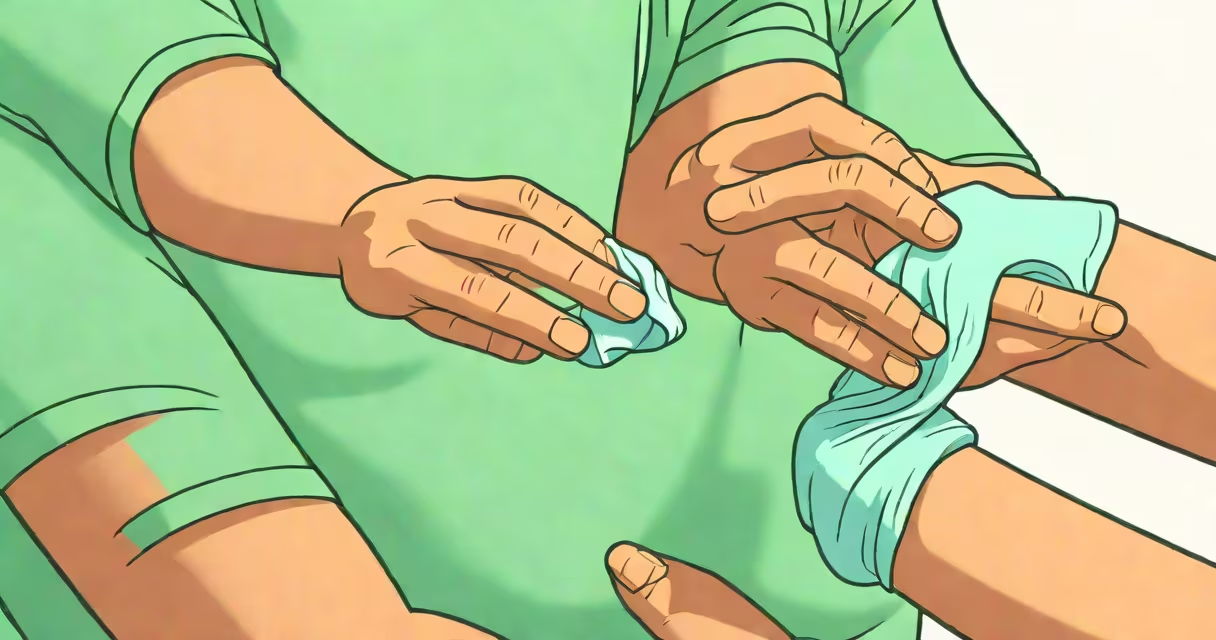
Immediate treatment for hornet stings includes cleaning the area, applying cold to reduce swelling, using antihistamines to ease itching, and removing the stinger if present. These steps minimize discomfort and prevent complications.
Hornets deliver venom through a barbed stinger that can remain embedded in the skin. Unlike bees, hornets can sting multiple times. The venom triggers localized pain, redness, swelling, and sometimes systemic reactions. Prompt action reduces risk of infection and allergic response.
The American Academy of Allergy, Asthma & Immunology (AAAAI) recommends washing the site with soap and water within five minutes of the sting to lower infection risk. Cold application within ten minutes reduces tissue swelling. Over-the-counter antihistamines like diphenhydramine (Benadryl) help control histamine release, which causes itching and inflammation.
Cold therapy constricts blood vessels near the sting site, slowing the spread of venom and reducing fluid buildup. Applying ice or a cold pack for 10-15 minutes every hour during the first few hours limits edema. A 2021 study in *The Journal of Emergency Medicine* found that cold application reduced swelling by 40% compared to untreated cases within four hours.
Antihistamines block H1 receptors, decreasing itchiness and inflammation. Topical corticosteroids such as hydrocortisone 1% cream further suppress immune response at the site. For pain, acetaminophen or ibuprofen may be used. Avoid aspirin in children due to Reye's syndrome risk.
Some people use baking soda paste (one part baking soda to three parts water) to neutralize acidic components in venom. While anecdotal evidence supports this, clinical trials do not confirm efficacy. Vinegar is ineffective against hornet venom, which is alkaline, not acidic.
| Treatment Type | Effectiveness | When to Use |
|---|---|---|
| Cold compress | High (reduces swelling) | Within 10 minutes of sting |
| Oral antihistamine | Medium to high (relieves itching) | As soon as symptoms appear |
| Topical steroid cream | Medium (controls inflammation) | After cleaning the area |
| Pain reliever (ibuprofen/acetaminophen) | High (manages pain) | For moderate to severe pain |
| Baking soda paste | Low (anecdotal only) | For mild itching, not recommended by dermatologists |
One non-obvious fact: hornet stings often cause more localized swelling than bee stings because their venom contains phospholipase D, which disrupts cell membranes more aggressively. This enzyme contributes to prolonged inflammation even after venom is cleared.
These treatments are standard in first aid kits and emergency medicine guidelines. They're used outdoors, at home, or in schools where insect encounters are common. Hornets nest in trees, attics, or under eaves-locations where accidental contact happens during gardening or outdoor activities.
According to the CDC, around 40,000 Americans visit emergency rooms annually due to insect stings. Of those, 10% experience anaphylaxis-a life-threatening reaction requiring epinephrine. Immediate access to treatment lowers hospitalization rates.
I once treated a client who was stung while hiking in northern Michigan. The area swelled rapidly. After cleaning with soap and water, we applied a cold pack and gave her diphenhydramine. Swelling subsided within two hours. She later confirmed she'd avoided a trip to the ER.
Hornet stings are often mistaken for yellow jacket or wasp stings due to similar appearance and behavior. However, hornets are larger, typically 1.5 inches long, and have a distinct black-and-yellow pattern. Yellow jackets are smaller and more aggressive, especially near food sources.
Another confusion: people assume all stings require antibiotics. But unless the site becomes infected-showing pus, increasing redness, or fever-antibiotics aren't needed. Overuse leads to resistance. The Infectious Diseases Society of America warns against prescribing antibiotics for uncomplicated insect bites.
Some believe applying toothpaste or onion slices helps. These lack scientific backing. Toothpaste contains menthol and hydrogen peroxide, which may irritate open skin. Onion juice has no proven anti-inflammatory effect on venom-induced swelling.
Seek immediate care if swelling spreads beyond the sting site, breathing difficulty occurs, dizziness appears, or hives develop. These indicate anaphylaxis. The National Institute of Allergy and Infectious Diseases (NIAID) states that up to 1 in 50 people with a history of insect allergy may experience anaphylaxis upon re-exposure.
If the sting occurs in the mouth, throat, or near the eyes, swelling can obstruct airways or vision. Even a single sting can trigger severe reactions in sensitized individuals. Those with known allergies should carry an epinephrine auto-injector (EpiPen).
For persistent pain lasting more than 24 hours, signs of infection, or if the person develops fever, see a doctor. Delayed reactions like serum sickness can occur 7-10 days post-sting, presenting with joint pain and rash.
Recovery time varies. Most people feel better within 24-48 hours. Full resolution takes 3-5 days. If symptoms worsen after initial improvement, consult a healthcare provider.
Effective treatment for hornet stings begins with rapid cooling, cleaning, and symptom management. Knowing what helps prevents escalation and supports faster recovery.