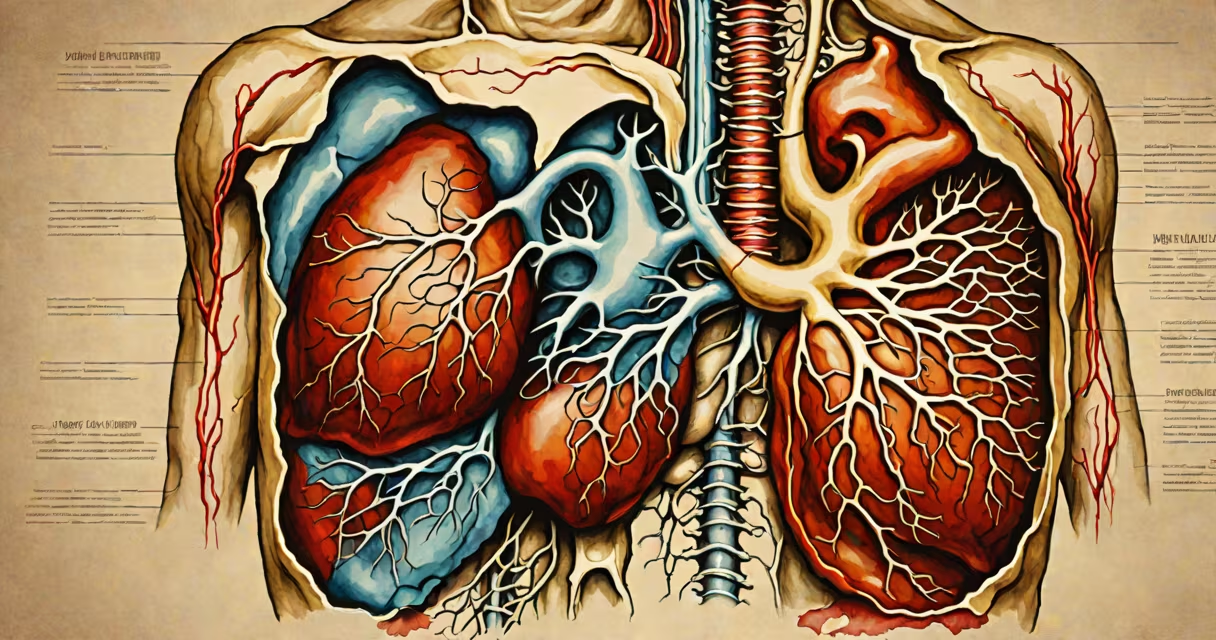
The human body can regenerate certain organs after damage, most the liver and skin. These organs replace lost tissue through cell division and specialized repair mechanisms, though regeneration is limited to specific tissues and cannot restore entire complex structures like the heart or brain.
Regeneration occurs when damaged cells trigger nearby healthy cells to divide and rebuild functional tissue. This process differs from healing, which involves scar formation. True regeneration restores original structure and function without fibrosis. The liver is the most capable organ in this regard, capable of regrowing up to 75% of its mass after surgical removal or injury.
Regenerative capacity varies widely among organs. The liver, skin, and intestinal lining regenerate frequently. The kidneys have limited ability to repair tubular cells after acute injury. In contrast, the heart, pancreas, and central nervous system show minimal intrinsic regeneration. Some research suggests low-level renewal in the adult human brain, but not enough to reverse significant damage.
Regeneration begins when damaged cells release signaling molecules such as growth factors and cytokines. These signals activate stem cells or mature cells to enter the cell cycle and proliferate. For example, after partial hepatectomy (removal of part of the liver), hepatocytes (liver cells) rapidly divide to restore normal size and function within weeks.
Studies show that the liver's regenerative response is triggered by changes in blood flow and pressure. After surgery, portal vein blood flow increases, stimulating hepatocyte proliferation via the Wnt/β-catenin pathway. This mechanism allows the liver to return to baseline volume even after losing half its mass, a feat unmatched by any other human organ.
Other organs rely on resident stem cells. The skin's epidermis is renewed daily by basal keratinocytes derived from epithelial stem cells in the hair follicle bulge. Intestinal crypts contain stem cells that produce new epithelial cells every 3-5 days. These processes maintain tissue integrity despite constant wear and tear.
Not all organs regenerate equally. The following table outlines known regenerative capacities based on clinical evidence and animal models.
| Organ | Regeneration Level | Timeframe for Recovery | Limitations |
|---|---|---|---|
| Liver | High | 2-6 weeks | Cannot regenerate if cirrhosis or chronic disease is present |
| Skin (epidermis) | High | Days to weeks | Scarring occurs in deep wounds; dermal regeneration is poor |
| Intestine (mucosa) | Very high | 3-5 days | Only surface layer regenerates; underlying muscle and connective tissue do not |
| Kidney (tubules) | Moderate | 1-2 weeks | Recovery fails in chronic injury or severe ischemia |
| Heart (myocardium) | None (in adults) | N/A | Minimal cardiomyocyte turnover; scarring replaces dead tissue |
A key distinction is between regeneration and repair. The liver regenerates; the heart repairs with fibrous tissue. This difference explains why heart attacks cause permanent damage while liver injuries often heal completely.
One non-obvious fact: the liver can regenerate even after being split between two recipients during transplant surgery. In living donor transplants, each recipient receives a lobe that grows to full size within 6 months. This capability underpins the feasibility of partial liver donation, a practice supported by the American Society of Transplantation.
Many assume all organs can heal like skin or liver. This is false. The brain, spinal cord, and peripheral nerves do not regenerate effectively after trauma. While neural stem cells exist in the hippocampus and subventricular zone, their activity is too low to restore function after stroke or injury.
Another confusion arises from the term "regeneration" itself. People often equate it with "healing." But healing may involve scarring. True regeneration restores original architecture. For example, a burn wound heals with collagen deposition and pigment changes-scar tissue forms, not new skin.
Even the liver has limits. Chronic alcohol abuse or hepatitis B/C infection impair regeneration by damaging the extracellular matrix and disrupting signaling pathways. In such cases, the liver becomes fibrotic and eventually fails, requiring transplantation.
In 2018, a 42-year-old woman underwent a left lateral segmentectomy-a procedure removing 40% of her liver-to treat a benign tumor. Pre-op imaging showed a healthy liver with no signs of cirrhosis. Post-op scans at 6 weeks revealed full restoration of liver volume. Blood tests confirmed normal synthetic function, including albumin and clotting factor production.
This outcome aligns with data from the Mayo Clinic, which reports that 90% of patients undergoing partial hepatectomy recover full liver function within 3 months. The regeneration rate averages 1% of total mass per day, peaking around day 7 post-surgery.
The patient had no complications, and follow-up at 1 year showed no structural abnormalities. This case illustrates the notable resilience of the liver and its role as the gold standard for human organ regeneration.
While the liver stands out, researchers are exploring ways to improve regeneration in less capable organs. Techniques like gene therapy, stem cell injection, and bioengineered scaffolds aim to stimulate repair in the heart and pancreas. Early trials show promise, but clinical application remains years away.