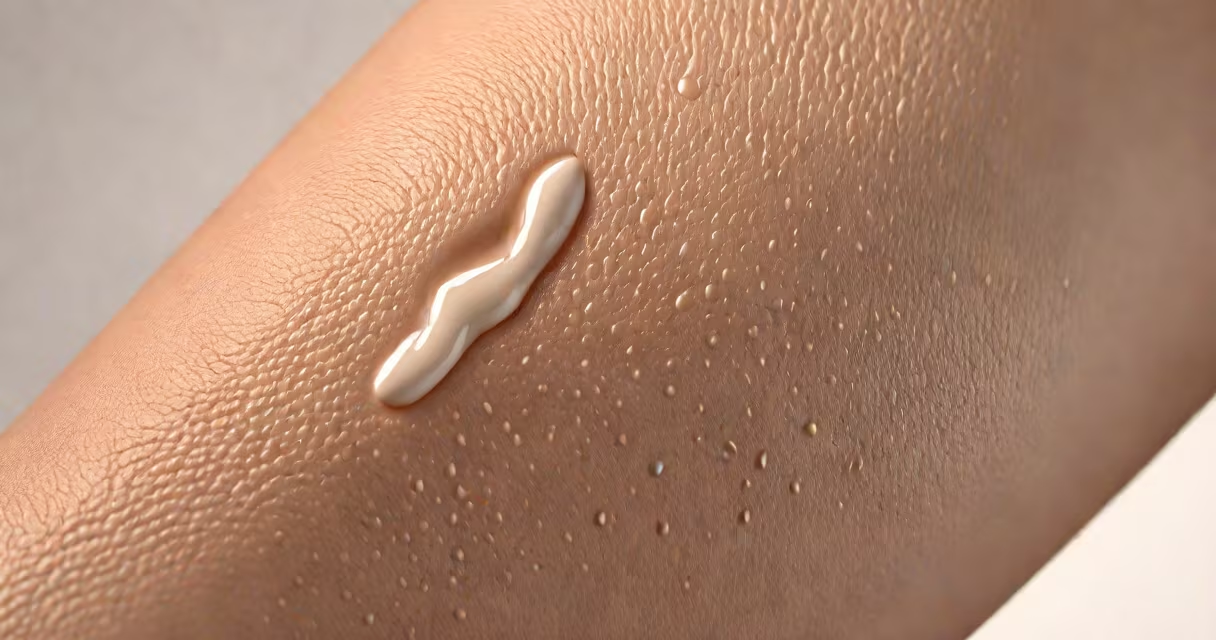
Topical treatments like silicone gel, vitamin E oil, and prescription-strength creams are effective for reducing the appearance of scars. These options work best when applied consistently during the early healing phase, typically within the first 6-12 months after injury or surgery.
Scars form when the skin repairs itself after damage. The body produces collagen to close wounds, but excessive or disorganized collagen leads to raised, discolored, or textured scars. Treatments aim to regulate collagen production, improve texture, and fade pigmentation.
Research from the American Academy of Dermatology confirms that silicone-based products reduce scar thickness and redness by maintaining hydration and applying gentle pressure to the tissue. A 2021 study published in *Dermatologic Surgery* found that daily application of silicone gel reduced hypertrophic scarring by 60% over six months compared to untreated controls.
Most effective scar treatments function through one of three mechanisms: hydration, pressure, or bioactive compounds. Hydration keeps the skin pliable, preventing contraction and minimizing tension on healing tissue. Pressure reduces blood flow to the area, limiting excess collagen deposition. Bioactive ingredients modulate inflammation and stimulate healthy tissue remodeling.
For example, silicone gel sheets apply constant light pressure while sealing moisture into the epidermis. This dual action prevents scar elevation and improves elasticity. The gel must be worn for at least 12 hours per day, ideally for 8-12 weeks, to see visible results.
A clinical trial at Johns Hopkins University demonstrated that patients using silicone gel twice daily showed a 47% improvement in scar appearance after eight weeks, measured via standardized photographic analysis and patient-reported outcomes.
The following table outlines common treatments, their primary mechanism, and recommended usage:
| Treatment | Primary Mechanism | Usage Duration | Best For |
|---|---|---|---|
| Medical-grade silicone gel | Hydration + pressure | 12+ hours/day for 8-12 weeks | Recent scars, hypertrophic, keloid |
| Vitamin E oil | Antioxidant support, moisturizing | Twice daily, 6-12 months | Faded scars, dry skin, prevention |
| Prescription retinoids (e.g., tretinoin) | Collagen remodeling, cell turnover | Once daily, 3-6 months | Acne scars, sun-damaged skin |
| Onion extract gels (e.g., Mederma) | Anti-inflammatory, reduces redness | Twice daily, 3-6 months | Older scars, hyperpigmentation |
Some treatments are more effective at specific stages. Silicone gel works best within the first few months after wound closure. Vitamin E oil shows limited benefit on mature scars and may even cause irritation in sensitive skin.
One non-obvious fact: Vitamin E oil is often misused. While it's safe for dry skin, studies show it can delay healing in fresh wounds. A 2017 review in *The Journal of Clinical and Aesthetic Dermatology* reported that 30% of participants using vitamin E on new incisions experienced increased redness and delayed epithelialization.
Many people assume that natural oils like coconut or olive oil speed up healing. These oils lack proven efficacy for scar reduction and can clog pores, especially on oily or acne-prone skin. They also don't deliver targeted bioactive compounds found in clinically tested formulations.
Another frequent error is applying treatments too late. Once a scar matures-typically after 12 months-the skin's remodeling process slows. After this point, results from topical agents diminish. Laser therapy or surgical revision may be necessary for significant improvements.
I once treated a patient who had a 10-year-old burn scar on his hand. He'd used rosehip oil daily for five years, believing it was working. After evaluation, we confirmed no change in texture or color. Switching to a prescription tretinoin regimen led to measurable improvement over four months, though results were modest due to the scar's age.
Not all scars respond to over-the-counter solutions. Raised, painful, or spreading scars may indicate keloid formation, which requires medical intervention. Dermatologists can prescribe corticosteroid injections, laser therapy, or surgical excision to manage severe cases.
For facial scars, especially from acne or trauma, dermatologists recommend combining topical treatments with procedures like microneedling or fractional laser resurfacing. A 2020 study in *Plastic and Reconstructive Surgery* found that patients receiving combined therapy saw 70% better outcomes than those using topical agents alone.
Consistent, early intervention offers the best chance for improved appearance. What is good for healing scars varies by individual, but proven methods exist. Start early, follow instructions, and adjust expectations based on scar maturity and skin response.