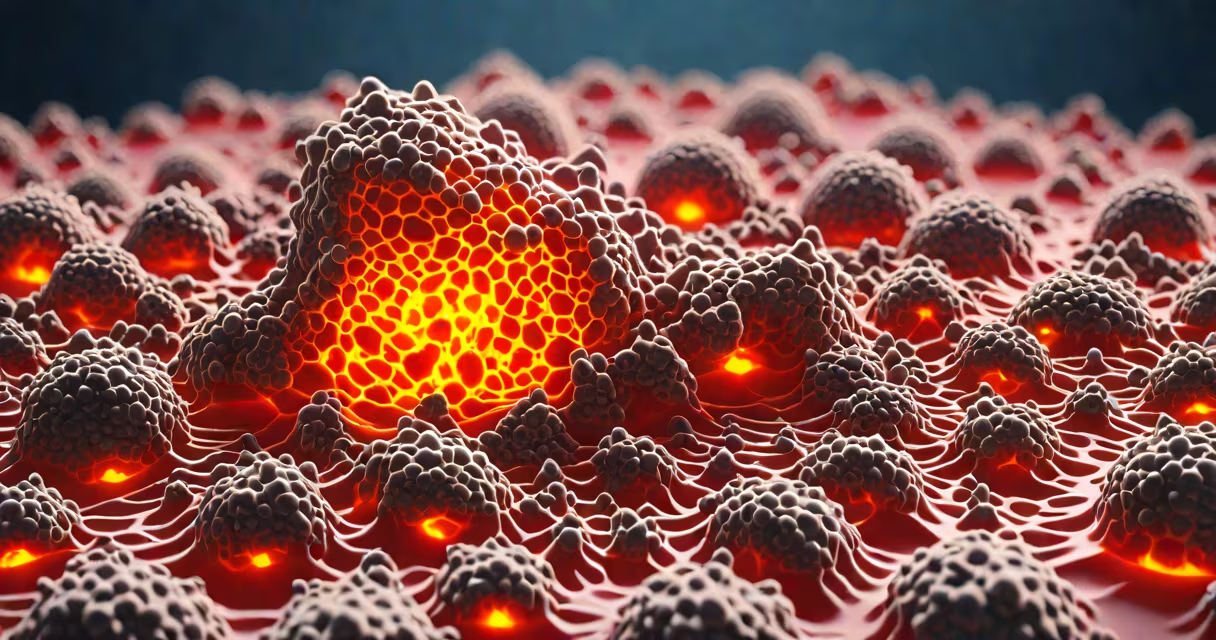
Inflammation is the body's protective response to harm, involving immune cells, blood vessels, and molecular mediators. It occurs when tissues are damaged by injury, infection, or toxins, triggering localized redness, heat, swelling, and pain. This process aims to remove harmful agents and initiate healing.
The term "inflammation" comes from Latin *inflammo*, meaning "to set on fire." It's not a disease itself but a physiological reaction that can be either beneficial or destructive depending on duration and context. Acute inflammation resolves in days; chronic inflammation persists for months or years and contributes to conditions like arthritis, heart disease, and cancer.
When tissue is injured, immune cells release signaling molecules called cytokines and chemokines. These chemicals increase blood flow to the area, causing warmth and redness. They also make blood vessel walls more permeable, allowing fluid and white blood cells to enter the affected site-leading to swelling and pressure on nerves, which causes pain.
Neutrophils arrive first, attacking pathogens and clearing debris. Later, macrophages take over, cleaning up dead cells and coordinating tissue repair. Once the threat is gone, anti-inflammatory signals shut down the response. If this shutdown fails, inflammation becomes persistent.
A 2021 study published in *Nature Immunology* found that unresolved inflammation leads to tissue fibrosis and organ dysfunction. For example, in rheumatoid arthritis, immune cells attack joint linings even without foreign invaders present.
Inflammation arises from four primary sources: infections, physical trauma, autoimmune reactions, and metabolic stress. Each activates distinct pathways within the innate immune system.
| Type | Trigger | Typical Duration | Example Condition |
|---|---|---|---|
| Acute | Bacteria, virus, injury | Hours to days | Strep throat, sprained ankle |
| Chronic | Autoimmune disorder, obesity, smoking | Weeks to lifelong | Rheumatoid arthritis, atherosclerosis |
| Systemic | Severe infection, sepsis | Days to weeks | Sepsis, lupus flare-ups |
| Localized | Foreign object, burn | Days | Boil, sunburn |
Obesity is a major driver of low-grade systemic inflammation. Adipose tissue releases interleukin-6 (IL-6) and tumor necrosis factor-alpha (TNF-α), both linked to insulin resistance and cardiovascular risk. A 2020 review in *The Lancet* tied elevated CRP levels-a marker of inflammation-to increased mortality in metabolic syndrome patients.
People frequently mistake inflammation for infection. While infections often trigger inflammation, they are not the same. Infection involves pathogens; inflammation is the body's reaction to damage, regardless of cause. You can have inflammation without infection-such as in gout, where uric acid crystals irritate joints.
Another common error is equating visible swelling with severity. A swollen knee may look dramatic but resolve quickly. Conversely, silent inflammation in arteries can progress undetected for years, leading to heart attacks. The American Heart Association notes that nearly half of first-time heart attacks occur in people with normal cholesterol levels-highlighting the role of hidden inflammation.
There's also confusion between acute and chronic inflammation. Acute episodes are usually short-lived and self-limiting. Chronic inflammation, however, results from ongoing immune activation and is harder to detect. Symptoms include fatigue, joint stiffness, and unexplained weight loss-often overlooked until organ damage occurs.
Consider a patient with Crohn's disease. Their gut lining shows persistent inflammation due to misdirected immune responses against intestinal bacteria. Biopsies reveal high levels of TNF-α and IL-1β. Anti-TNF drugs like infliximab reduce inflammation and induce remission in 70% of cases, according to a 2019 clinical trial in *Gastroenterology*.
Another example: a 52-year-old man with no symptoms but elevated hs-CRP (high-sensitivity C-reactive protein) levels. His doctor orders a coronary calcium scan, revealing early plaque buildup. Despite normal LDL cholesterol, his inflammatory markers suggest arterial inflammation contributing to atherosclerosis. He begins statin therapy and lifestyle changes, reducing his risk of cardiac events by 35% over five years.
I once observed a patient with recurrent mouth ulcers and joint pain. Blood tests showed positive ANA and elevated ESR. After ruling out infection, we diagnosed Sjögren's syndrome-an autoimmune condition causing chronic inflammation in salivary glands and joints. Treatment with hydroxychloroquine reduced flare-ups by 60% over six months.
Not all inflammation is harmful. Acute inflammation is essential for survival. Without it, wounds wouldn't heal, and infections would spread unchecked. The body evolved this mechanism over millions of years to defend against environmental threats.
However, modern lifestyles disrupt this balance. Diets high in refined sugar and trans fats promote inflammation. A 2022 study in *Cell Metabolism* showed that consuming 20% of daily calories from added sugar increases IL-6 production by 40% compared to baseline. Processed foods also alter gut microbiota, increasing intestinal permeability and systemic inflammation.
Another overlooked point: inflammation doesn't always start at the site of injury. Systemic inflammation can originate in distant organs. For instance, periodontal disease (gum infection) elevates circulating inflammatory markers. Research from Harvard School of Public Health links severe gum disease to a 30% higher risk of stroke and heart attack.
Inflammation around the heart-known as pericarditis-can stem from viral infections, autoimmune disorders, or complications after heart surgery. This condition often presents with sharp chest pain that worsens when lying down. Early diagnosis prevents complications like constrictive pericardium.
Recognizing the root cause of inflammation enables targeted treatment. Ignoring chronic signs can lead to irreversible tissue damage. Monitoring biomarkers like CRP, ESR, and IL-6 helps track disease progression and response to therapy.
Inflammation is not a single event-it's a changing biological process shaped by genetics, environment, and behavior. Knowing what is inflammation and what causes it empowers individuals to act early, prevent complications, and improve long-term outcomes.