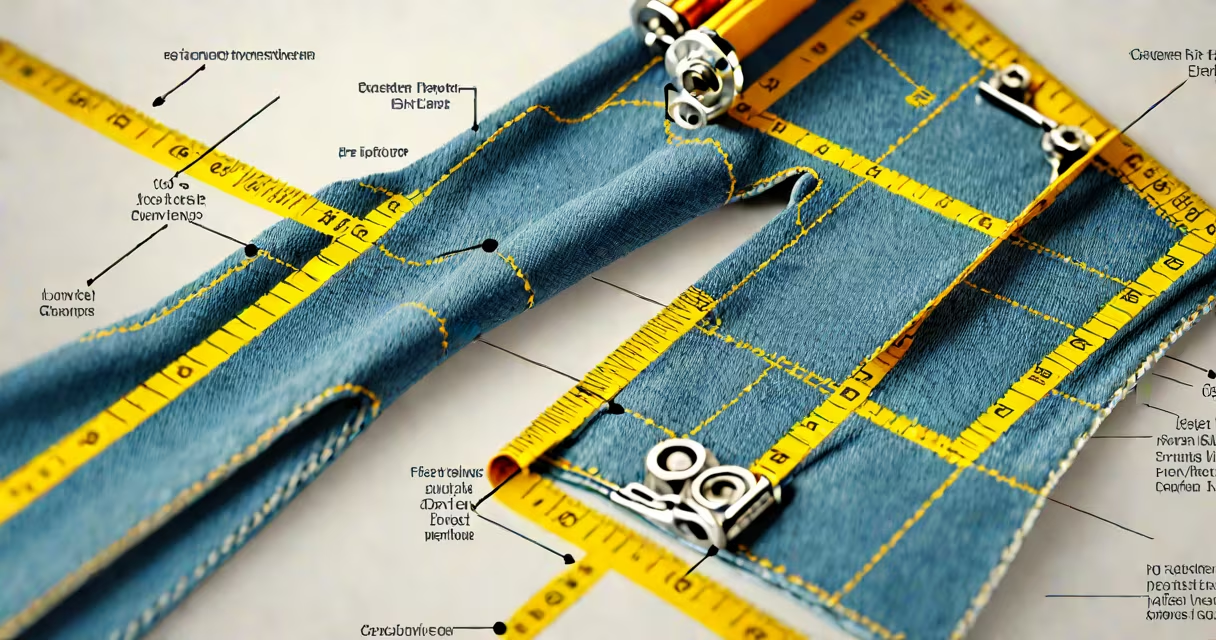
The meaning of inseam is the distance from the crotch seam to the bottom of the pant leg along the inner side of the leg. It determines how long pants will be on the wearer and is essential for achieving a proper fit. This measurement is used universally in clothing sizing, especially for trousers, jeans, and workwear.
Inseam is not the same as length. length includes the waistband and outer seam, while inseam measures only the inside. A 32-inch inseam means the inner leg seam extends 32 inches from crotch to hem. This detail is critical because a mismatched inseam leads to pants that are too long or too short, regardless of waist size.
For example, a man who is 5'10" tall typically wears a 32-inch inseam in standard men's pants. A woman who is 5'4" may wear a 29-inch inseam. These numbers aren't arbitrary-they're based on average body proportions and standardized sizing charts from organizations like the American Society for Testing and Materials (ASTM) and the International Organization for Standardization (ISO).
Inseam is measured from the crotch seam to the bottom edge of the pant leg, following the inner fold of the leg. To measure it yourself, stand with feet shoulder-width apart, place the tape measure at the crotch seam, and run it down the inside of the leg to the ankle bone. The point where the tape touches the floor is the inseam length.
When shopping online, many retailers list inseam alongside waist size. For instance, a pair of chinos labeled "32 x 34" means the waist is 32 inches and the inseam is 34 inches. The first number is waist, the second is inseam. Confusing the two leads to ill-fitting garments. A 32-inch waist with a 30-inch inseam may look odd if worn by someone whose legs are longer than average.
Custom tailoring often adjusts inseam to match the wearer's height. A tailor can shorten or lengthen a pant leg by altering the inner seam. Most alterations cost between $15 and $30, depending on location and complexity. A 2-inch adjustment usually takes under an hour.
There are three common inseam lengths for most adult clothing: short, regular, and long. These categories vary slightly by gender and brand, but general standards exist.
| Length Category | Typical Inseam Range (Men) | Typical Inseam Range (Women) | Best Fit For |
|---|---|---|---|
| Short | 28-30 inches | 26-28 inches | Under 5'4" (men), under 5'2" (women) |
| Regular | 32-34 inches | 29-31 inches | 5'4"-5'10" (men), 5'2"-5'8" (women) |
| Long | 36-38 inches | 32-34 inches | Over 5'10" (men), over 5'8" (women) |
These ranges are based on data from the U.S. Department of Labor's Bureau of Labor Statistics and apparel industry reports. They reflect average heights and limb proportions across demographic groups. However, individual variation exists-someone with long legs but a short torso may still need a long inseam even if their height falls in the middle range.
Some brands offer extended sizing. Levi's, for example, offers 30-, 32-, 34-, 36-, and 38-inch inseams in select styles. Nike and Uniqlo also provide similar options. Always check the product details rather than assuming a standard size applies.
Many people confuse inseam with outseam-the measurement along the outer leg seam. Outseam is longer and includes the rise (distance from crotch to waist). Using outseam instead of inseam leads to incorrect length assumptions. A 34-inch outseam does not mean the pants are 34 inches long inside.
Another error is thinking inseam changes with style. A slim-fit pant with a 32-inch inseam is not shorter than a relaxed-fit pant with the same inseam. The cut affects width, not length. The inseam remains consistent unless altered during fitting.
A lesser-known fact: inseam measurements are sometimes rounded to the nearest half-inch. A 32.4-inch leg might be listed as 32 inches. This rounding can cause issues when buying custom clothes. I once ordered a pair of tailored trousers with a 32.5-inch inseam, expecting a perfect fit. The tailor used 32 inches, resulting in pants that were 0.5 inch too short. After adjusting the hem, they fit perfectly-but the initial mismatch cost time and money.
Proper inseam prevents tripping, dragging, or excessive bunching at the ankle. Pants that drag on the ground collect dirt and wear faster. Too-short pants expose socks or shoes, which can be unprofessional in office settings.
Consider a retail worker wearing a uniform with a 30-inch inseam. If the employee is 5'6" tall, the pants may appear too short, even if the waist fits. The issue isn't the waist-it's the inseam. Switching to a 32-inch inseam corrects the length without changing the waist size.
When shopping online, always compare your personal inseam to the product's listed inseam. Use a tape measure to take your own measurement. Stand with feet together, place the tape at the crotch seam, and extend it down the inside of the leg to the floor. Record the number in inches. Match it to the product listing.
The meaning of inseam is straightforward: it's the inner leg length of pants. But its impact on fit is profound. Ignoring it leads to poorly fitting clothes, wasted money, and discomfort. Always verify inseam when buying pants, whether online or in-store.
Use a ruler or tape measure to confirm your inseam. Compare it to product listings. Choose a length that matches your height and leg proportion. When in doubt, opt for a slightly longer inseam-you can always shorten it. But shortening a long inseam requires major alteration.
Understanding the meaning of inseam ensures better choices, fewer returns, and a sharper appearance. casual wear, getting the inseam right makes all the difference.