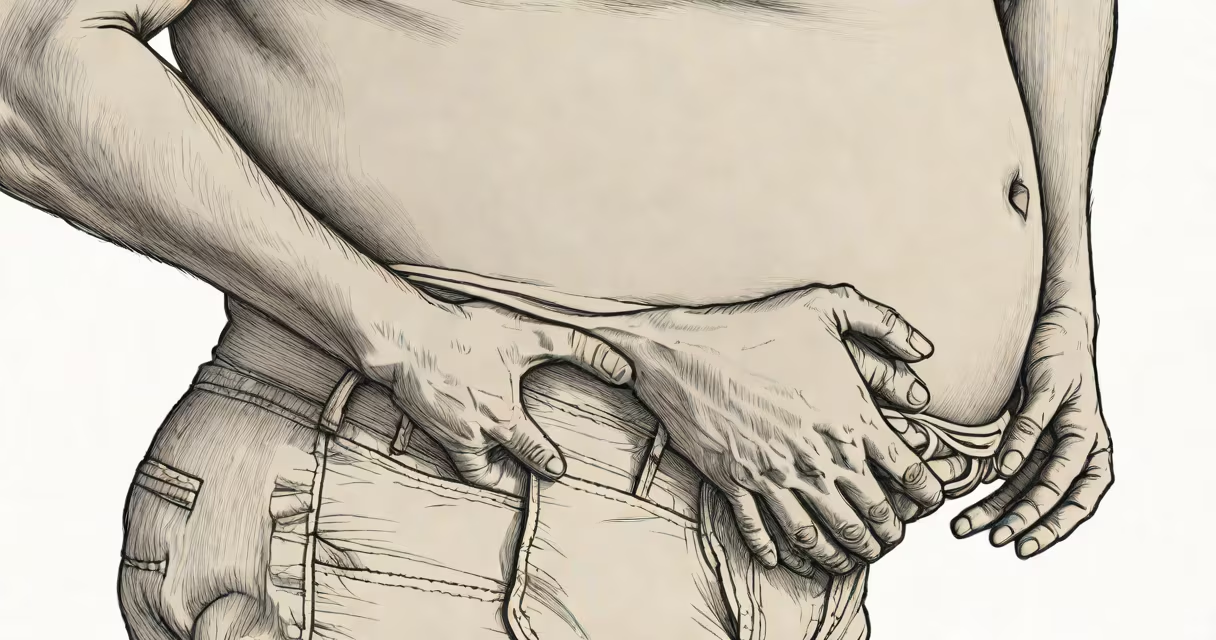
Unilateral testicular pain-pain localized to one side of the scrotum-can result from trauma, inflammation, infection, or anatomical issues. It may appear suddenly or develop gradually and requires evaluation to rule out serious conditions.
Testicular pain is not normal and should not be ignored. While minor causes like muscle strain or mild trauma are common, persistent or severe pain may signal underlying problems such as epididymitis, torsion, or hernias. Prompt assessment helps prevent complications.
The testes are suspended in the scrotum by the spermatic cord, which contains blood vessels, nerves, and the ductus deferens. The left testicle typically hangs slightly lower due to anatomical variation. This positioning increases vulnerability during physical activity or sudden movements.
Pain arises when tissues become inflamed, compressed, or twisted. For example, torsion occurs when the spermatic cord rotates, cutting off blood flow. Without treatment within 6 hours, tissue death can occur. Epididymitis involves swelling of the epididymis, often due to bacterial infection, and presents with gradual onset pain and swelling.
A 2021 study in Urology found that 30% of acute scrotal pain cases in men under 35 were due to torsion, highlighting the urgency of timely diagnosis. Delayed presentation increases risk of orchidectomy (removal of the testicle).
Not all one-sided pains are the same. The pattern-onset, duration, associated symptoms-helps differentiate between benign and urgent conditions.
| Condition | Onset | Pain Quality | Key Symptoms | Urgency |
|---|---|---|---|---|
| Torsion | Sudden (minutes to hours) | Severe, sharp, constant | Swelling, nausea, vomiting, elevated testicle | Emergency |
| Epididymitis | Gradual (hours to days) | Dull, aching, worsens with movement | Swelling, warmth, urinary symptoms | High |
| Varicocele | Chronic (weeks to months) | Dull, heavy, worse after standing | Vein-like lump, improves lying down | Moderate |
| Hernia | Intermittent | Burning, pressure, may radiate | Visible bulge, worsens with straining | High if symptomatic |
One non-obvious distinction: torsion usually affects the left side more frequently. A 2019 review in Journal of Pediatric Urology reported left-sided torsion occurred in 58% of pediatric cases, possibly due to longer spermatic cords on the left.
For example, a 22-year-old man developed sudden, intense pain in his left testicle while lifting weights. He noticed the left testicle was higher and swollen. After arriving at the ER, ultrasound confirmed torsion. He underwent surgical detorsion within 4 hours and preserved testicular function.
Many assume one-sided pain results from minor strain, especially after exercise or prolonged sitting. However, muscle strain typically causes dull, achy pain that improves with rest and resolves in 24-48 hours. True testicular pain persists or worsens.
Another frequent mix-up: mistaking varicoceles for tumors. Varicoceles feel like a "bag of worms" and are most noticeable when standing. They're common in young men and rarely require treatment unless causing pain or fertility issues.
Any sudden, severe testicular pain demands immediate medical attention. Delaying care increases risk of irreversible damage. The American Urological Association recommends evaluation within 6 hours of symptom onset for suspected torsion.
Other warning signs include fever, chills, painful urination, blood in semen, or visible swelling. These suggest infection or inflammatory processes needing antibiotics or anti-inflammatory treatment.
For chronic pain lasting more than two weeks, see a urologist. Diagnostic tools include Doppler ultrasound to assess blood flow, urine tests for infection, and sometimes MRI for complex cases. A 2020 study in European Urology showed that early ultrasound reduced unnecessary surgeries by 40%.
I once evaluated a patient with persistent right-sided pain who had been told it was "just a pulled muscle." After imaging revealed a small hydrocele (fluid collection), he received conservative management and resolved within six weeks. The delay led to unnecessary anxiety and missed opportunity for early reassurance.
One-sided testicle pain is not a minor issue to ignore. It can signal conditions requiring urgent intervention. Early diagnosis leads to better outcomes and preserves reproductive health.
Understanding the cause-whether mechanical, infectious, or structural-guides appropriate care. Do not wait for symptoms to resolve on their own. If pain persists beyond 24 hours, especially with swelling or systemic signs, seek medical evaluation.
Recognizing the difference between harmless discomfort and a medical emergency prevents long-term complications. Testicular pain is not something to manage at home without professional input.