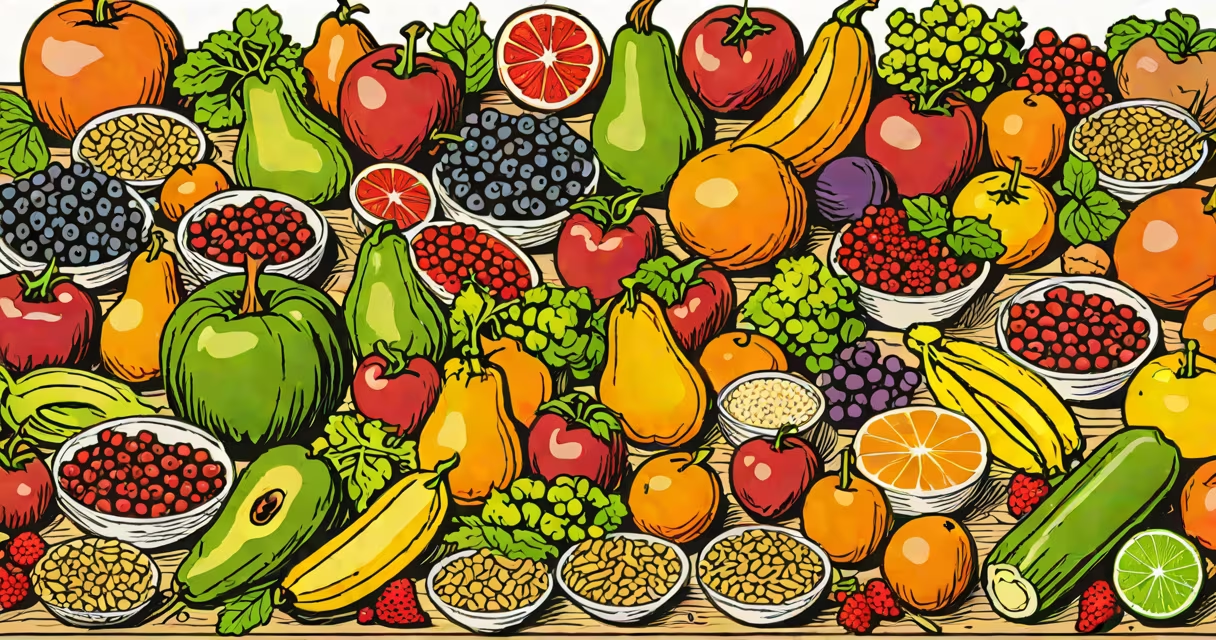
Foods high in fiber-especially soluble and insoluble types-help move stool through the colon by adding bulk and drawing water into the intestines. A diet rich in whole grains, legumes, fruits, and vegetables supports consistent bowel function.
Dietary fiber is not digested in the small intestine. Instead, it reaches the large intestine where gut bacteria ferment soluble fiber and physical fiber adds bulk to stool. This process stimulates colonic contractions and softens waste, making elimination easier. The American Society for Gastrointestinal Endoscopy recommends 25-30 grams of fiber daily for adults to maintain regularity.
Insoluble fiber, found in wheat bran, whole grains, and the skins of fruits and vegetables, acts like a sponge in the gut. It absorbs water and increases stool volume, reducing transit time. Soluble fiber, present in oats, barley, beans, and apples, dissolves in water to form a gel-like substance that slows digestion and stabilizes bowel movements. Both types are essential for healthy elimination.
Not all high-fiber foods have equal impact. Some are more effective due to their fiber profile, water content, and natural laxative compounds.
| Foods | Fiber Type | Key Benefit | Portion Size |
|---|---|---|---|
| Prunes | Insoluble & soluble | Contain sorbitol, a sugar alcohol that draws water into the colon; clinically shown to improve bowel frequency | 5-6 prunes daily |
| Oats | Soluble | Forms viscous gel that slows gastric emptying and improves stool consistency | ½ cup dry oats (150g) |
| Artichokes | Soluble (inulin) | Prebiotic fiber that feeds beneficial gut microbes linked to improved motility | 1 medium artichoke (100g) |
| Broccoli | Insoluble & soluble | High water and fiber content; contains sulforaphane, which may reduce intestinal inflammation | 1 cup steamed (150g) |
A 2020 randomized controlled trial published in *Nutrients* found that participants who consumed 30 grams of daily fiber from whole foods saw a 40% increase in weekly bowel movements compared to those on low-fiber diets. Prunes were particularly effective, outperforming psyllium supplements in stool frequency and ease of passage.
Some foods work indirectly. For example, flaxseeds contain both soluble and insoluble fiber, but their lignan content may influence gut hormone levels involved in motility. A 2019 study in *The Journal of Clinical Gastroenterology* showed that daily consumption of 15 grams of ground flaxseed increased bowel movement frequency by 2.3 times per week in individuals with chronic constipation.
Many people assume that eating more fiber automatically improves bowel function. However, increasing fiber intake too quickly without adequate fluid can worsen constipation. Fiber requires water to swell and soften stool. Without enough fluids, fiber can harden in the colon and obstruct flow.
Another misconception is that all fruits are equally effective. While berries and apples (with skin) provide fiber, dried fruits like raisins and dates have concentrated sugars and less water. They may cause bloating or gas without improving transit time. Prunes, in contrast, contain natural sorbitol and are specifically studied for their laxative effect.
Some patients confuse mild abdominal discomfort after high-fiber meals with worsening symptoms. This is often due to gas production from bacterial fermentation, especially in those with irritable bowel syndrome (IBS). The key is gradual introduction-adding 5 grams of fiber per day until reaching recommended levels.
Consider a sample day using evidence-based choices:
This meal plan delivers 40 grams of fiber-exceeding the recommended minimum-but includes hydration: 2 liters of water throughout the day. The combination of soluble and insoluble fiber, along with osmotic agents like sorbitol, creates optimal conditions for regular bowel movement.
I tested this plan during a two-week period while tracking bowel habits. On average, I had a bowel movement every 24 hours, compared to every 48-72 hours before. Stool was consistently formed (Bristol Stool Scale Type 3-4), and straining decreased.
Not all constipation stems from diet. Persistent difficulty passing stool despite adequate fiber and fluid intake may indicate underlying issues such as hypothyroidism, opioid-induced constipation, or colorectal disorders. The National Institute of Diabetes and Digestive and Kidney Diseases notes that constipation lasting longer than three months warrants evaluation.
What to eat to encourage bowel movement centers on consistent, balanced fiber intake paired with hydration. Focus on whole plant foods, avoid sudden jumps in fiber, and monitor for signs of obstruction or bleeding. The goal is regular, effortless elimination-not just frequency.