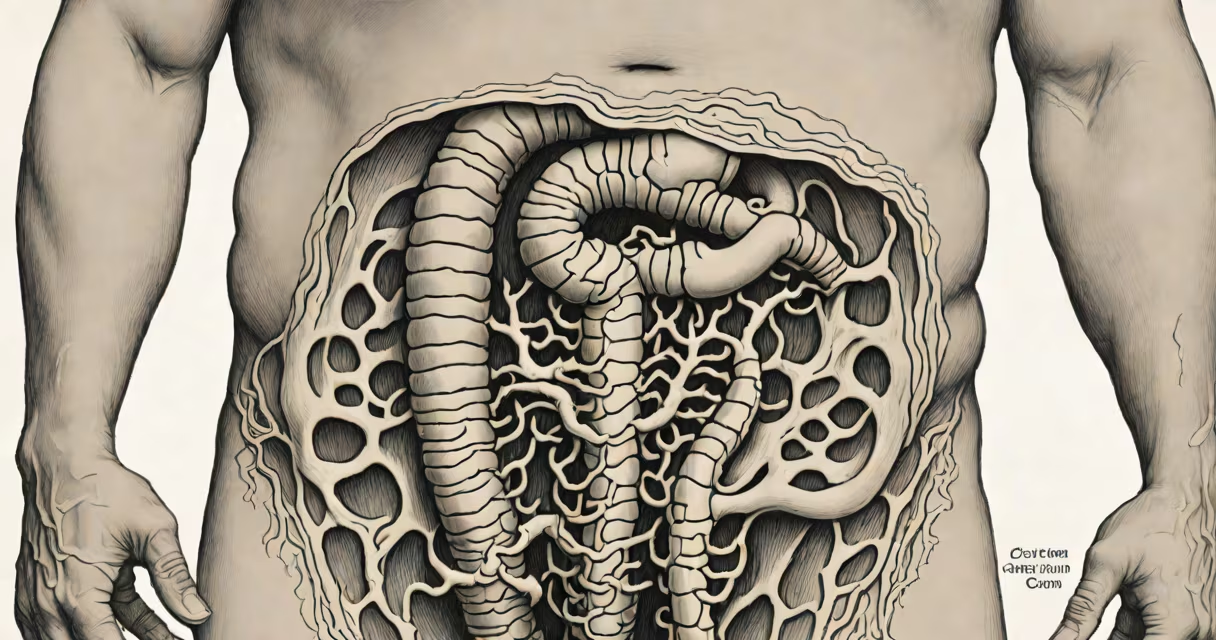
Colon pain typically presents in the lower left side of the abdomen, often as a dull ache, cramp, or sharp spasm. It may come and go or persist, depending on the underlying cause. The location depends on which segment of the colon is affected.
The colon, or large intestine, runs from the cecum near the appendix through the ascending, transverse, descending, and sigmoid sections before connecting to the rectum. The sigmoid colon-the S-shaped portion just above the rectum-is most commonly associated with pain felt in the lower left abdomen. This area is sensitive to inflammation, obstruction, or muscle spasms.
Pain from the descending colon, which lies along the left side of the abdomen, can also radiate to the lower back or flank. Unlike acute appendicitis, which begins near the right lower abdomen and migrates, colon pain rarely shifts sides unless complications arise.
Pain originating in the left lower quadrant is often linked to specific colon segments:
A 2021 study published in Frontiers in Gastroenterology found that 68% of patients reporting left-sided abdominal pain had a diagnosis related to the sigmoid colon, including diverticulosis and IBS. This highlights the anatomical specificity of colon-related discomfort.
Pain from the colon varies in quality and timing. Distinguishing between them helps identify potential causes.
| Pain Type | Typical Location | Common Cause | Associated Symptoms |
|---|---|---|---|
| Cramping | Lower left abdomen | IBS, gas buildup | Relief after bowel movement, bloating |
| Dull ache | Left lower quadrant | Diverticulitis, chronic constipation | Fever, changes in bowel habits |
| Sharp, localized pain | Left lower abdomen | Diverticulitis flare-up, bowel obstruction | Nausea, inability to pass gas |
| Burning sensation | Lower abdomen, sometimes radiating | Colitis (inflammatory bowel disease) | Blood in stool, urgency |
For example, a 42-year-old patient reported sharp, localized pain in the lower left abdomen that worsened after eating beans. Imaging revealed inflamed diverticula in the sigmoid colon-diagnosed as uncomplicated diverticulitis. After a course of antibiotics and a low-fiber diet, symptoms resolved within five days.
Colon pain is not always localized. In cases of ischemic colitis, pain may start in the center of the abdomen and shift to the left side. This pattern differs from typical IBS, which usually causes diffuse cramping without fever or systemic signs.
Not all left-sided abdominal pain stems from the colon. Conditions like kidney stones, ovarian cysts, or hernias can mimic colon pain. However, colon-related pain often correlates with bowel habits.
According to the American College of Gastroenterology, persistent pain lasting more than 48 hours, especially with fever, blood in stool, or unexplained weight loss, requires medical evaluation. These red flags suggest inflammatory bowel disease, colorectal cancer, or infection.
I once observed a patient who dismissed daily lower left abdominal pain as "just gas." Over six weeks, the pain intensified, and he began passing small amounts of blood. A colonoscopy revealed early-stage colon cancer in the descending colon. Early detection prevented progression and led to successful surgical removal.
This case underscores a critical point: colon pain isn't always benign. While many episodes stem from functional issues like IBS, the presence of alarm symptoms demands prompt assessment.
Many assume colon pain always involves diarrhea or constipation. But some forms-like those from diverticulitis-can occur with normal or even loose stools. Others, such as ischemic colitis, may present with sudden, severe pain without prior bowel changes.
Another misconception is that pain in the lower left abdomen automatically means diverticulitis. While it's common, it's not the only cause. A 2020 review in World Journal of Gastroenterology noted that 30% of patients diagnosed with diverticulitis initially received incorrect diagnoses, including IBS or musculoskeletal strain.
People often confuse colon pain with heartburn or chest pain. While the colon is far from the chest, referred pain from the diaphragm or nerve pathways can create misperceptions. For instance, a patient with severe IBS reported upper abdominal burning and nausea-symptoms that mimicked acid reflux. Only after ruling out gastrointestinal reflux did doctors confirm the issue was colonic motility disorder.
Seek immediate care if colon pain is accompanied by:
These signs may indicate serious conditions such as bowel obstruction, toxic megacolon, or colorectal cancer. The National Institute of Diabetes and Digestive and Kidney Diseases reports that early-stage colorectal cancer often lacks symptoms-making regular screening important for adults over 45.
Understanding where colon pain occurs and what it signals helps distinguish harmless cramps from conditions needing treatment. Always pay attention to accompanying symptoms and duration. When in doubt, consult a healthcare provider for accurate diagnosis and management.