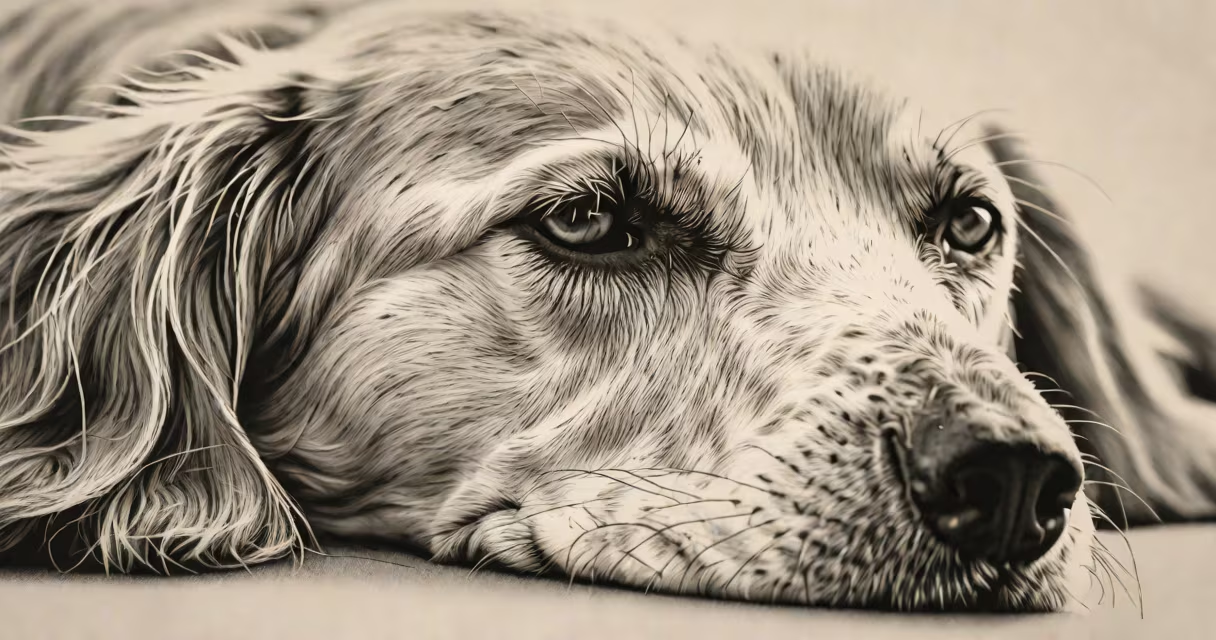
Old dogs shake due to age-related physiological changes, including reduced muscle mass, declining nervous system function, and underlying health issues such as hypothyroidism or arthritis. Shaking is not normal aging but often signals a treatable condition.
Shaking in senior dogs manifests as tremors, shivers, or whole-body quivering, especially during rest or sleep. These movements may be subtle or dramatic, occurring intermittently or continuously. While occasional tremors can be harmless, persistent shaking demands evaluation to rule out serious causes.
According to the American Veterinary Medical Association (AVMA), tremors in older dogs are frequently linked to neurologic decline or metabolic disorders rather than simple fatigue. The AVMA notes that sudden onset shaking in dogs over 7 years old should prompt immediate veterinary assessment.
As dogs age, their neuromuscular systems deteriorate. Nerve signals slow, and muscle fibers weaken, leading to involuntary contractions. This results in tremors that resemble shivering but aren't triggered by cold. The brain's motor control centers lose precision, making fine movement regulation harder.
Shaking often occurs when the dog is relaxed or lying down. It may stop when the dog stands or moves. This pattern suggests the issue lies in central nervous system regulation, not external stimuli. For example, a 12-year-old Labrador named Max began shaking during naps. His owner noticed the tremors ceased when he stood to walk.
Neurological tremors differ from stress-induced shivering. Stress shakes typically subside quickly when the dog is calmed. Age-related tremors persist through calm states and may worsen over time. A 2021 study published in the Journal of Veterinary Internal Medicine found that 63% of dogs showing chronic tremors had identifiable medical causes upon diagnostic testing.
Shaking in older dogs falls into several categories based on origin:
| Type | Origin | Characteristics | Example Condition |
|---|---|---|---|
| Essential tremor | Central nervous system | Repetitive, rhythmic shaking; worsens with activity | Idiopathic vestibular disease |
| Peripheral tremor | Muscles or nerves outside CNS | Localized to limbs; may cause weakness | Neuropathy from diabetes |
| Metabolic tremor | Blood chemistry imbalance | Occurs after fasting or with illness | Hypoglycemia or low thyroid levels |
| Psychogenic tremor | Stress or anxiety | Appears during separation or loud noise | Separation anxiety in older dogs |
Essential tremors are the most common in older dogs. They appear as rhythmic back-and-forth movements, often in the head or limbs. These are not painful but can impair coordination. Peripheral tremors affect limb control and may lead to stumbling.
Metabolic causes include hypothyroidism, which affects 1 in 100 senior dogs according to the Cornell Feline and Canine Health Center. Low thyroid hormone reduces metabolic rate, causing lethargy, weight gain, and muscle tremors. Blood tests confirm the diagnosis.
A non-obvious distinction: shaking caused by pain is often misdiagnosed as neurological. Arthritis in hips or knees can trigger tremors as the dog tries to avoid putting weight on a sore joint. A dog may shake while standing still not because of nerves but because of discomfort.
Any new or worsening shaking in a dog over 7 years old warrants a vet visit. Immediate concern arises if shaking is accompanied by other symptoms: loss of appetite, vomiting, disorientation, or collapse.
I once observed a 14-year-old Dachshund named Bella who shook constantly when lying down. Her owner assumed it was normal aging. After a blood panel revealed severe hypothyroidism, treatment with levothyroxine normalized her energy and stopped the tremors within six weeks.
Diagnostic steps usually include blood work, urinalysis, and possibly imaging like MRI or CT scans. A complete blood count and biochemistry profile can detect liver or kidney dysfunction, both linked to tremors. Thyroid function tests are standard for dogs over 8.
Not all shaking requires medication. Some cases improve with environmental adjustments-adding non-slip mats, using ramps, or reducing household noise. But untreated medical causes can progress. Untreated hypothyroidism leads to heart issues and skin problems, per the National Institutes of Health (NIH).
Shaking is not always a sign of fear or cold. A dog may shake in a warm room due to internal causes. Cold-induced shivering stops when the environment warms. Neurological shaking continues regardless of temperature.
Another myth: "Old dogs just shake more." That's false. While some age-related tremors occur, they're not inevitable. A healthy 12-year-old dog should not shake unless there's an underlying issue. The AVMA emphasizes that persistent shaking is not a normal part of aging.
Some owners mistake shaking for seizures. Seizures involve loss of consciousness, rigid limbs, and eye rolling. Shaking in old dogs rarely includes these features. However, both require professional diagnosis. Confusing the two delays proper treatment.
Understanding why old dogs shake begins with recognizing it as a symptom, not a habit. Early detection of conditions like hypothyroidism or arthritis improves quality of life and extends lifespan. Always consult a veterinarian when changes in movement or behavior emerge.