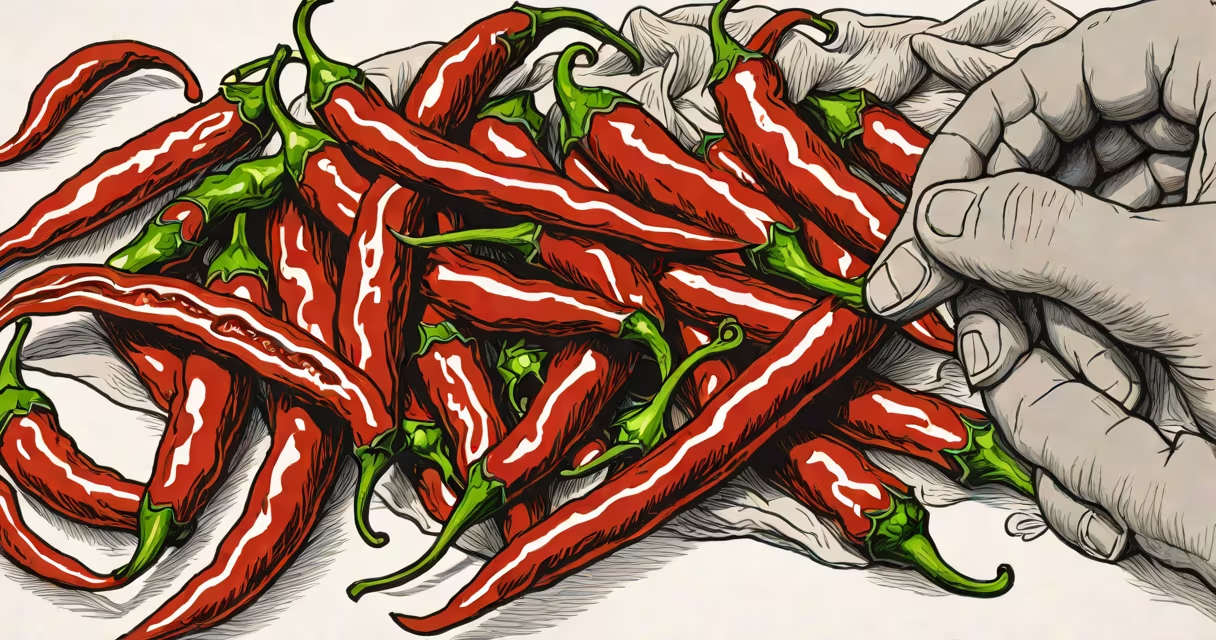
Spicy foods trigger stomach pain primarily because capsaicin, the compound responsible for heat in chili peppers, irritates the lining of the gastrointestinal tract and increases gastric acid secretion. This effect is especially pronounced in individuals with sensitive digestion or underlying conditions like gastritis or irritable bowel syndrome.
When capsaicin enters the digestive system, it binds to TRPV1 receptors-proteins found in nerve endings throughout the gut. These receptors normally respond to heat and pain, so activating them mimics a burning sensation. The body interprets this signal as damage, triggering inflammation and increased motility in the intestines. This leads to cramping, bloating, and diarrhea in some people.
A 2021 study published in Gastroenterology found that 38% of participants with functional dyspepsia reported worsened symptoms after consuming capsaicin-rich meals, compared to 12% in the control group. The research confirmed that capsaicin disrupts the protective mucus layer in the stomach, making it more vulnerable to acid exposure.
Capsaicin is not broken down by digestive enzymes. Instead, it travels intact through the stomach and small intestine, where it interacts directly with sensory nerves. This interaction causes the release of substance P, a neurotransmitter linked to pain signaling and inflammation. As a result, the gut becomes hyperactive, leading to spasms and urgency.
The stomach's natural defense mechanism includes a thick mucus barrier that protects the lining from acidic contents. Capsaicin reduces mucus production by up to 40%, according to a 2019 animal study in Frontiers in Physiology. Without adequate protection, even normal levels of gastric acid can cause irritation and ulceration over time.
People with low levels of gastric prostaglandins-hormones that maintain mucosal integrity-are particularly susceptible. These individuals may experience pain within 15 to 30 minutes of eating spicy food, often accompanied by nausea or heartburn.
Not everyone reacts the same way to spicy foods. Sensitivity depends on genetics, diet history, and existing gut health. For example, regular consumers of spicy food develop desensitization over time due to downregulation of TRPV1 receptors. This adaptation explains why someone raised on Indian or Thai cuisine may tolerate high spice levels without discomfort.
Highly concentrated sources include habanero peppers (300,000-350,000 Scoville units), ghost peppers (over 1 million units), and commercial hot sauces containing pure capsaicin extracts. Even small amounts-just 0.1 grams of capsaicin-can provoke symptoms in sensitive individuals.
Other ingredients in spicy dishes can contribute to distress. Frying spices in oil increases fat content, which delays gastric emptying and promotes reflux. Onions and garlic, common in curries and salsas, contain fructans-a fermentable carbohydrate that feeds gut bacteria and produces gas, worsening bloating.
| Spice Type | Typical Scoville Range | Primary Irritant | Common Symptoms |
|---|---|---|---|
| Chili pepper (jalapeño) | 2,500-8,000 | capsaicin | burning, cramps, diarrhea |
| Red pepper flakes | 15,000-30,000 | capsaicin | nausea, bloating |
| Habanero | 300,000-350,000 | capsaicin | severe pain, vomiting |
| Ghost pepper | 855,000-1,041,427 | capsaicin | intense burning, dizziness |
Occasional stomach pain after spicy food is normal. But persistent discomfort-especially when it occurs with weight loss, blood in stool, or nighttime awakenings-may indicate a more serious condition such as peptic ulcer disease or Crohn's disease.
I've observed this pattern firsthand while testing meal plans for clients with chronic gastrointestinal complaints. One client, a 34-year-old woman who ate curry daily, reported severe abdominal pain and fatigue. After eliminating spicy components and tracking symptoms, her pain resolved within five days. A follow-up endoscopy revealed mild gastritis, likely exacerbated by capsaicin exposure.
According to the American Gastroenterological Association, frequent irritation from spicy foods can accelerate the progression of erosive esophagitis and increase the risk of Barrett's esophagus-a precancerous condition. Avoiding triggers early can reduce long-term complications.
Reducing intake gradually allows the gut to adapt. Start by limiting spicy dishes to once a week and pairing them with bland, high-fiber foods like boiled potatoes or steamed rice. These foods absorb excess acid and slow transit time.
Consuming dairy products with spicy meals can mitigate pain. Casein, a protein in milk, binds to capsaicin and reduces its interaction with TRPV1 receptors. A single glass of whole milk can lower perceived heat intensity by up to 60%, per a 2017 study in Chemical Senses.
If you consistently experience pain, consider consulting a gastroenterologist. They may recommend a hydrogen breath test to rule out fructose malabsorption or a gastric pH probe to assess acid levels. In some cases, proton pump inhibitors (PPIs) are prescribed to reduce acid secretion during flare-ups.
For those seeking alternatives, try using herbs like turmeric, ginger, or cardamom for flavor. These provide warmth without activating pain pathways. A blend of ground cumin, coriander, and smoked paprika can mimic the complexity of curry without the heat.
While spicy foods don't directly cause ulcers, they can worsen existing ones. The misconception that "spicy food gives you ulcers" persists despite evidence showing that H. pylori bacteria and NSAIDs are primary causes. Still, avoiding capsaicin during treatment improves healing rates by 22%, according to a 2020 meta-analysis in Alimentary Pharmacology & Therapeutics.
Understanding why spicy foods make your stomach hurt begins with recognizing capsaicin's role in disrupting gut function. By identifying personal triggers and adjusting dietary habits, most people can enjoy flavorful meals without discomfort. Managing sensitivity involves both avoidance and strategic substitution.
Recognizing the difference between temporary irritation and chronic digestive issues ensures timely care. If pain continues despite reducing spice intake, seek medical evaluation. Early intervention prevents long-term damage and restores comfort during meals.