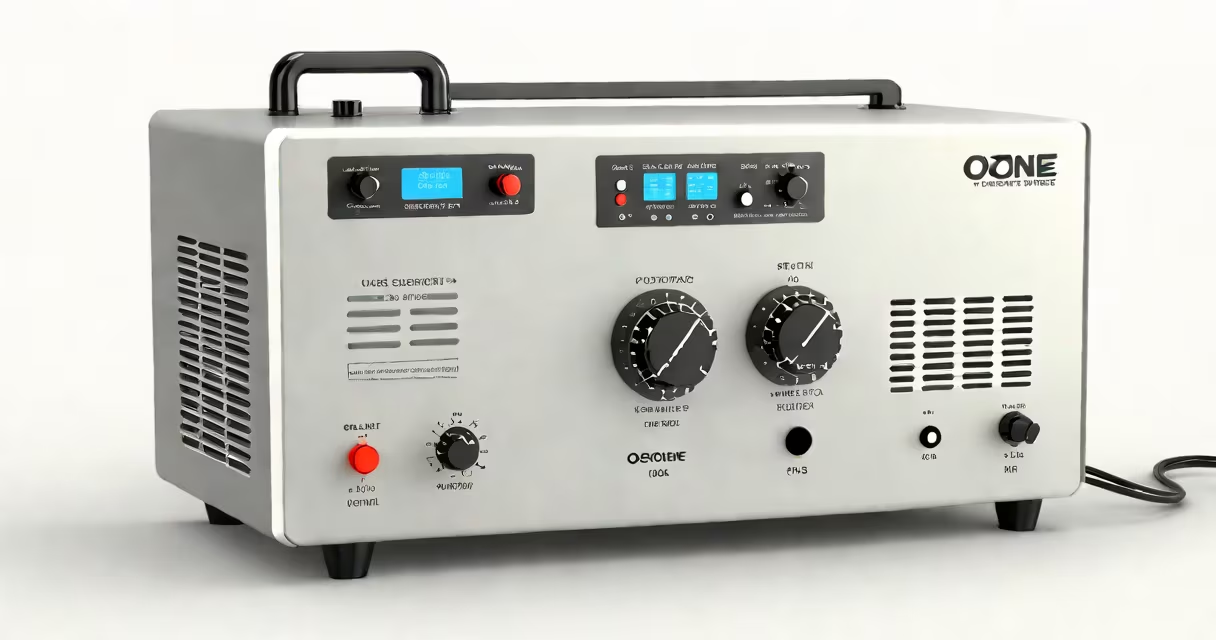
A portable ozone generator is a handheld or lightweight device that produces ozone (O₃) to disinfect air, eliminate odors, and reduce airborne pathogens in enclosed spaces. It operates by electrically charging oxygen molecules, forming triatomic oxygen. These units are designed for temporary use in homes, vehicles, or small rooms where air quality needs immediate improvement.
Ozone generators work by drawing in ambient air, passing it through a high-voltage electrical field, and splitting oxygen (O₂) into individual atoms. These atoms then bond with other O₂ molecules to form ozone (O₃). The resulting gas oxidizes pollutants such as mold spores, bacteria, viruses, and volatile organic compounds (VOCs). Unlike HEPA filters, which trap particles, ozone destroys contaminants at a molecular level.
Portable models typically range from 5 to 50 milligrams of ozone per hour (mg/h). Higher-output units may reach 100 mg/h but are less common in compact designs. Most consumer-grade devices operate between 10-30 mg/h. They are powered via USB, AC adapter, or battery, making them suitable for travel or emergency use.
Inside a portable ozone generator, the core component is a corona discharge chamber. This chamber uses a high-frequency alternating current to split oxygen molecules. A dielectric barrier (usually glass or ceramic) prevents arcing and ensures consistent ozone formation. Air intake filters remove dust and particulates before entering the chamber, extending the life of internal components.
Most units include a timer, fan, and control dial. The fan circulates air through the ozone-producing zone. Some models feature adjustable output settings and automatic shutoff timers. Internal sensors monitor ozone concentration and shut off the device when safe thresholds are exceeded.
Materials used include ABS plastic for the casing, metal mesh for the intake, and precision-engineered electrodes. Battery-powered models often use lithium-ion cells rated for 200-500 charge cycles. Units with USB-C ports support fast charging and compatibility with standard power banks.
Portable ozone generators are used in environments requiring rapid air decontamination. Common applications include removing smoke smell after a fire, eliminating pet urine odor in cars, disinfecting hotel rooms between guests, and treating moldy basements during water damage cleanup.
In healthcare settings, portable ozone units have been tested for reducing airborne infection rates. A 2021 study published in *Environmental Science & Technology* found that low-dose ozone exposure reduced viable airborne SARS-CoV-2 particles by 99.7% within 30 minutes in sealed chambers. However, this was under controlled conditions not replicable in open spaces.
For travelers, a portable ozone generator can sanitize sleeping bags, hiking gear, or airplane seats. One user reported eliminating persistent mildew scent from a backpack after a week-long camping trip using a 20 mg/h unit for 45 minutes in a closed tent.
Portable ozone generators fall into three performance tiers based on output and intended use:
| Type | Output Range (mg/h) | Best For | Typical Use Duration |
|---|---|---|---|
| Entry-Level | 5-15 | Small rooms, cars, personal gear | 15-30 min |
| Mid-Range | 20-50 | Bathrooms, kitchens, storage areas | 30-60 min |
| High-Output | 60-100+ | Large spaces, post-remodeling, flood cleanup | 60-90 min |
Entry-level models are often sold as "air fresheners" but lack real germ-killing capability. Mid-range units offer measurable results in odor reduction. High-output models require ventilation and strict safety protocols due to elevated ozone levels.
Portable ozone generators are frequently mistaken for air purifiers with ionizers or negative ion emitters. Ionizers release charged particles that attach to airborne allergens, causing them to fall out of the air. They do not produce ozone and are not effective against viruses or mold.
Another confusion arises with ultraviolet (UV) light air purifiers. UV-C lamps kill microorganisms by damaging their DNA. While both technologies reduce pathogens, UV systems don't alter air chemistry. Ozone generators change air composition and leave behind residual oxidation byproducts.
Some manufacturers market "ozone-free" air purifiers that claim to mimic ozone's benefits without producing O₃. These devices use catalytic filters or plasma clusters. However, they do not achieve the same oxidation potential as actual ozone.
Ozone is a respiratory irritant. The U.S. Environmental Protection Agency (EPA) sets a maximum allowable concentration of 0.07 parts per million (ppm) for eight-hour exposure. Levels above 0.1 ppm can cause coughing, chest tightness, and worsen asthma symptoms.
According to the American Lung Association, prolonged exposure to ozone above 0.05 ppm can lead to permanent lung function decline. Portable units should never be used in occupied spaces. The CDC recommends evacuating the area during treatment and ventilating thoroughly afterward.
One non-obvious risk: ozone reacts with common household chemicals. When ozone interacts with terpenes (found in citrus cleaners, pine-scented sprays, and scented candles), it forms formaldehyde and ultrafine particles. A 2019 study in *Atmospheric Environment* showed that combining ozone with limonene increased formaldehyde levels by 400% in a sealed room.
A user in Denver reported persistent smoke odor in their 2018 Honda Civic after a passenger smoked inside. After multiple cleanings with vinegar and baking soda, the smell remained. They purchased a 30 mg/h portable ozone generator (model OG-30P).
Procedure:
The odor was undetectable after 24 hours. The user noted that the interior smelled slightly "cleaner," like after a thunderstorm. No visible residue or damage occurred to upholstery or electronics.
While a portable ozone generator can effectively neutralize odors and pathogens, it must be used correctly and safely. Never operate it in a room with people, pets, or plants. Always follow manufacturer guidelines and allow adequate ventilation after use. For ongoing air quality management, consider integrating a HEPA filter or activated carbon system alongside ozone treatment.