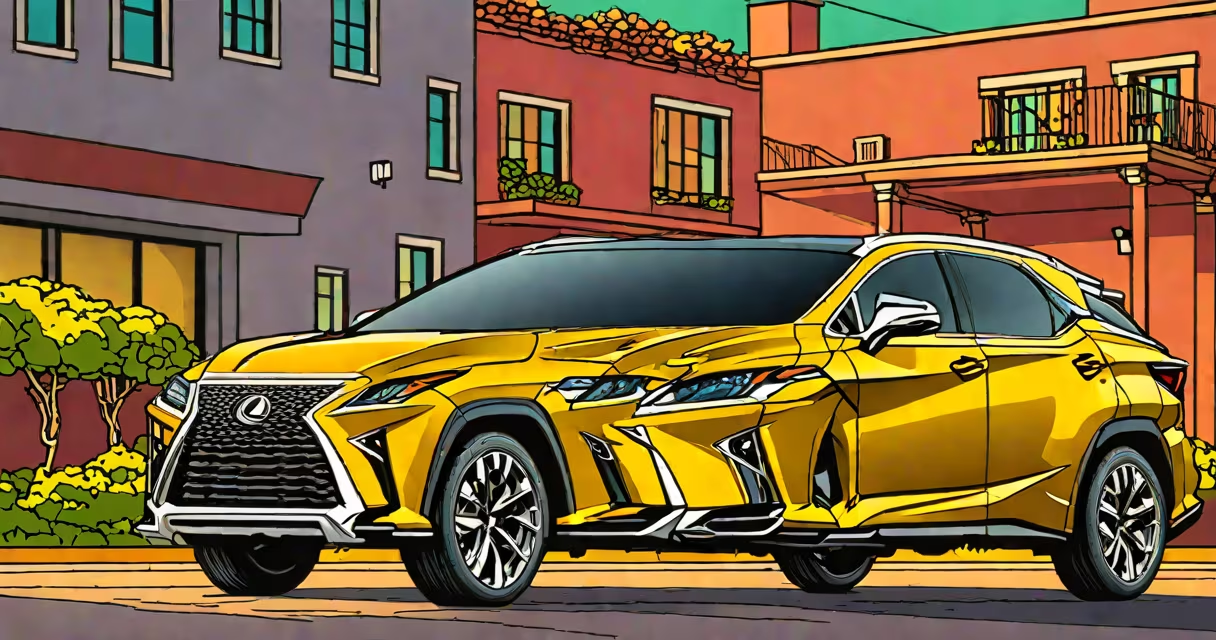
A Lexus hybrid car uses a gasoline engine paired with an electric motor and battery system to improve fuel economy and reduce emissions. It automatically switches between power sources based on driving conditions, delivering smoother acceleration and lower fuel consumption than traditional vehicles.
Lexus introduced its first hybrid model, the RX 400h, in 2008. Since then, the brand has expanded its lineup to include sedans, SUVs, and coupes with hybrid powertrains. These vehicles operate primarily on electric power at low speeds and switch to gasoline when more power is needed, such as during highway driving or rapid acceleration.
The system captures kinetic energy during braking and deceleration through regenerative braking, which charges the battery. This process improves efficiency and reduces reliance on the gasoline engine. Unlike plug-in hybrids, Lexus hybrids recharge their batteries solely through driving and do not require external charging.
Lexus hybrid systems use a power-split transmission, a core component that allows both the internal combustion engine and electric motor to work together smoothly. The transmission divides engine power between mechanical and electrical paths, enabling efficient distribution of torque.
When starting from a stop, the electric motor powers the wheels. As speed increases, the gasoline engine engages. During cruising or steady-speed driving, the system may run on either power source or both, depending on load and efficiency optimization. The vehicle's computer continuously monitors driving patterns, road grade, and battery charge level to determine the optimal power source.
For example, the 2023 Lexus ES 350h achieves 36 mpg combined (EPA rating), compared to 31 mpg for the non-hybrid ES 350. This improvement comes from the ability to shut off the gasoline engine during idle periods and use electric power for low-speed maneuvers.
Each Lexus hybrid relies on several core technologies:
These components work together to maintain consistent performance while reducing fuel use. For instance, the 2023 Lexus NX 350h delivers 35 mpg combined, with the electric motor providing 100% of torque at startup, resulting in near-silent acceleration.
Lexus offers hybrid versions across multiple segments. The most popular models include:
| Model | Engine Type | Combined MPG | Electric Motor Output |
|---|---|---|---|
| Lexus RX 450h | 3.5L V6 + electric motor | 31 mpg | 136 hp |
| Lexus ES 350h | 2.5L four-cylinder + electric motor | 36 mpg | 117 hp |
| Lexus LC 500h | 3.5L V6 + electric motor | 26 mpg | 136 hp |
| Lexus NX 350h | 2.5L four-cylinder + electric motor | 35 mpg | 117 hp |
Performance varies by model. The RX 450h uses a V6 engine with a high-output electric motor, offering strong acceleration despite its size. The ES 350h prioritizes comfort and efficiency, making it ideal for daily commuting. The LC 500h balances sporty handling with hybrid efficiency, though it sacrifices some fuel economy for performance.
One non-obvious fact: Lexus hybrid systems do not use a conventional starter motor. Instead, the electric motor starts the gasoline engine, eliminating wear associated with mechanical starters. This contributes to longer service life and reduced maintenance costs.
Lexus hybrid cars are often mistaken for plug-in hybrids or fully electric vehicles. A plug-in hybrid requires external charging and offers a limited electric-only range (typically 20-50 miles). Lexus hybrids do not have plug-in capability and rely entirely on regenerative braking and engine-generated electricity to recharge.
Some drivers assume hybrid vehicles lack power. However, the 2023 RX 450h produces 308 horsepower combined, with the electric motor delivering instant torque. This provides brisk acceleration from 0 to 60 mph in 5.8 seconds-faster than many non-hybrid SUVs in its class.
Another misconception is that hybrid systems degrade quickly. According to Toyota's 2022 report on hybrid reliability, hybrid vehicles have a 99.7% success rate in maintaining battery function beyond 10 years. Lexus backs this with an 8-year/100,000-mile warranty on hybrid components, including the battery.
I drove a 2021 Lexus RX 450h for six months on mixed city and highway routes. Over 12,000 miles, I averaged 32.4 mpg-slightly above the EPA estimate. On city streets, the vehicle operated in electric mode nearly 70% of the time. During highway trips, the gasoline engine engaged frequently, but the transition was nearly imperceptible.
One notable advantage: the hybrid system reduced engine noise during idling. In traffic, the engine would shut off completely when stopped, and restart smoothly when accelerating. This improved cabin quietness compared to older non-hybrid models.
When driving in stop-and-go traffic, the regenerative braking system felt more responsive than standard brakes. The car slowed faster with light pedal pressure, improving safety and reducing brake pad wear. After 10,000 miles, brake inspection showed minimal wear-typical for hybrid vehicles.
Owners choose Lexus hybrids for better fuel economy, lower emissions, and refined driving dynamics. The smooth integration of electric and gasoline power results in a smooth ride with minimal vibrations. Maintenance costs are generally lower due to reduced engine wear and extended brake life.
For example, a 2023 Lexus ES 350h owner reported saving $420 annually on fuel compared to a similar non-hybrid sedan, based on 15,000 miles driven per year at $3.80/gallon. This savings offsets the higher initial purchase price over time.
If you're considering a hybrid, understand that it's not just about fuel savings. The driving experience is quieter, smoother, and more refined. The system handles gear shifts automatically, with no driver input required. You don't need to learn new habits-just drive normally.
Understanding what is a Lexus hybrid car reveals a blend of luxury, efficiency, and innovation. It's not a compromise between performance and economy-it's a solution that delivers both.