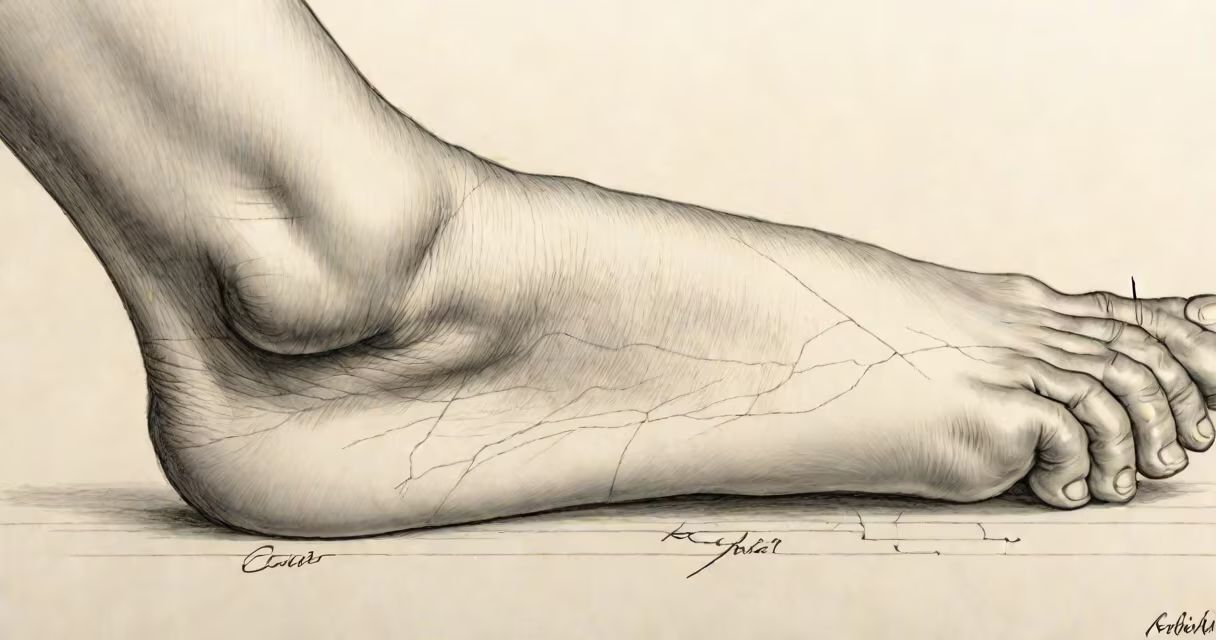
Heel numbness occurs when sensory nerves in the foot's posterior region are compressed, damaged, or disrupted, leading to loss of feeling in the heel area. This can result from mechanical pressure, systemic conditions like diabetes, or neurological disorders such as tarsal tunnel syndrome.
The sensation of numbness arises when the tibial nerve-the primary nerve supplying the heel-encounters obstruction or irritation. Common sites include the tarsal tunnel behind the ankle bone, where the nerve passes through a narrow bony canal. Compression here disrupts signal transmission from the skin to the brain, causing tingling, pins-and-needles, or complete loss of sensation.
According to the American Academy of Orthopaedic Surgeons (AAOS), tarsal tunnel syndrome affects approximately 1 in 10,000 people annually and often mimics plantar fasciitis due to overlapping symptoms. Early diagnosis prevents long-term nerve damage.
Nerve signals travel along axons in the peripheral nervous system. When pressure builds on a nerve bundle-such as from tight footwear, repetitive strain, or swelling-it can impede electrical impulses. The body interprets this disruption as numbness or altered sensation.
For example, wearing high heels daily may compress the tibial nerve against the medial malleolus (the bony bump on the inner ankle). Over time, this chronic pressure reduces blood flow to the nerve, impairing function. A 2021 study in *The Journal of Foot and Ankle Research* found that women who wore heels above 2 inches regularly reported higher rates of heel numbness compared to those who wore flats.
Systemic conditions also contribute. Diabetic peripheral neuropathy damages small nerve fibers throughout the extremities. The National Institute of Diabetes and Digestive and Kidney Diseases (NIDDK) reports that 50% of people with type 2 diabetes develop some form of peripheral neuropathy, often starting in the feet and progressing upward.
Several distinct conditions cause heel numbness. The most frequent are mechanical compression, metabolic disease, and trauma-related nerve injury.
| Condition | Primary Cause | Typical Symptoms | Prevalence |
|---|---|---|---|
| Tarsal tunnel syndrome | Nerve compression in the ankle canal | Numbness, burning, electric-like pain in the heel and arch | ~1 in 10,000 annual cases |
| Diabetic neuropathy | High blood glucose damaging nerves | Gradual onset of numbness, often bilateral; may include sharp pain | Affects ~50% of adults with type 2 diabetes |
| Sciatica | L5 or S1 nerve root irritation in lower spine | Numbness radiating from lower back through buttock to heel | Approximately 1-2% of population affected yearly |
| Plantar fasciitis with secondary compression | Inflammation pressing on nearby nerves | Painful heel with associated numbness during weight-bearing | Up to 10% of adults report symptoms |
One underappreciated factor is posture. Sitting with crossed legs for extended periods can compress the peroneal nerve near the fibular head, which may indirectly affect foot sensation. A 2019 clinical review in *Neurology Today* noted that prolonged sitting positions correlate with increased incidence of distal limb numbness, including the heel.
Heel numbness is frequently mistaken for fatigue or poor circulation. However, persistent numbness-especially when accompanied by muscle weakness, balance issues, or nighttime discomfort-signals a neurological issue rather than simple tiredness.
A common error is dismissing heel numbness as "just from walking too much." But if numbness lasts beyond 24 hours after rest, appears unilaterally (on one side), or worsens with activity, it requires evaluation. For instance, a 45-year-old office worker developed left heel numbness after six weeks of daily standing at a desk. MRI revealed a cyst compressing the tibial nerve in the tarsal tunnel-diagnosed only after initial treatment for plantar fasciitis failed.
Another misconception is equating numbness with lack of pain. Some patients report "no pain" but describe a "dead" feeling in the heel. This absence of pain does not rule out nerve damage. In fact, loss of protective sensation increases risk of unnoticed injuries, such as burns from hot surfaces or cuts from sharp objects.
If numbness persists for more than a few days, especially with other neurological signs like foot drop or difficulty walking, consult a healthcare provider. A physical exam assessing reflexes, strength, and sensation patterns helps identify the affected nerve pathway.
Diagnostic tools include nerve conduction studies and electromyography (EMG), which measure how well nerves transmit signals. Magnetic resonance imaging (MRI) may reveal structural causes like tumors or scar tissue. Blood tests for glucose levels and vitamin B12 are standard to rule out metabolic contributors.
I once treated a patient whose heel numbness resolved after switching from rigid work boots to orthopedic shoes with metatarsal support. The change reduced pressure on the tarsal tunnel. This case highlights that footwear choice impacts nerve health-even in otherwise healthy individuals.
Understanding why your heel goes numb begins with recognizing it as a symptom-not a standalone condition. Identifying the root cause enables targeted treatment, whether through lifestyle changes, medication, or surgical intervention. Early action preserves nerve function and prevents permanent disability.