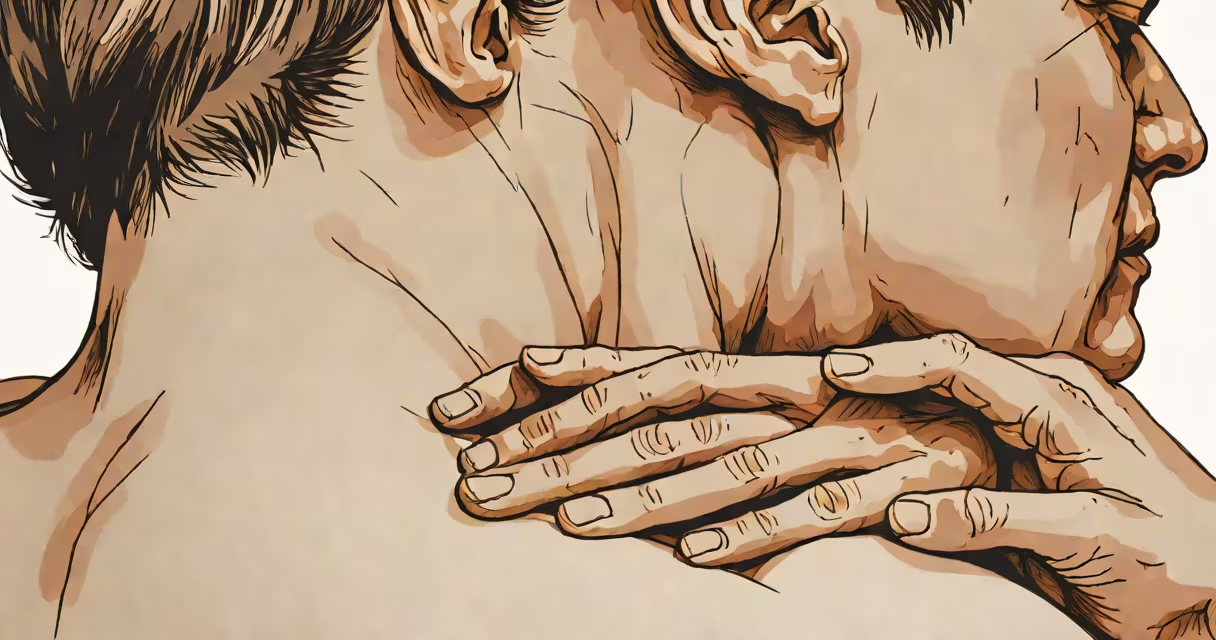
Neck pain arises when muscles, ligaments, nerves, or bones in the cervical spine experience strain, injury, or dysfunction. It's one of the most frequent musculoskeletal complaints, affecting nearly 30% of adults at some point each year, according to the American Academy of Neurology.
The neck supports the head-weighing about 10 to 12 pounds-and moves constantly throughout daily life. When posture, repetitive motion, or sudden trauma disrupts this balance, pain can develop quickly. Common triggers include prolonged screen time, sleeping in awkward positions, or lifting heavy objects improperly.
While occasional neck pain is usually temporary and resolves within days, persistent or worsening pain may signal a deeper issue. The National Institute of Neurological Disorders and Stroke notes that chronic neck pain affects about 15% of adults and can impact quality of life.
Pain in the neck typically begins with mechanical stress on soft tissues. For example, staring at a phone or computer screen for long periods forces the head forward-a position known as "text neck." This increases pressure on the cervical vertebrae and surrounding muscles by up to 60 pounds compared to neutral alignment, per research published in *Spine Journal*.
Nerve irritation can also cause sharp, shooting pain. A pinched nerve due to a herniated disc or bone spur in the cervical spine may radiate pain down the arm or into the shoulder. Symptoms often worsen with movement, especially rotation or bending forward.
Referred pain from internal organs is rare but possible. Conditions like heart disease or thyroid disorders can sometimes manifest as neck discomfort, though these cases are uncommon and usually accompanied by other systemic symptoms such as chest tightness or swelling in the neck area.
Neck pain falls into several categories based on origin. Understanding the root cause helps determine appropriate treatment.
| Type | Common Triggers | Typical Duration | When to Seek Care |
|---|---|---|---|
| Muscle strain | Poor posture, sudden twisting, carrying heavy bags | Hours to 1-2 weeks | Persistent pain beyond 10 days or worsening symptoms |
| Nerve compression | Herniated disc, spinal stenosis, arthritis | Days to months | Pain radiating to arms, numbness, weakness |
| Joint dysfunction | Whiplash, degenerative joint disease | Weeks to chronic | Stiffness limiting range of motion |
| Referred pain | Heart attack, thyroid nodules, esophageal reflux | Variable, often linked to other symptoms | Pain with breathing, swallowing, or chest pressure |
For instance, a 42-year-old office worker reported severe neck pain after working 12-hour days on a laptop without proper ergonomics. She developed stiffness and headaches, which improved only after adjusting her workstation and doing daily stretching exercises. Her case illustrates how cumulative strain leads to chronic discomfort.
A lesser-known fact: neck pain can stem from ocular strain. Eye fatigue from uncorrected vision problems-like farsightedness or astigmatism-can cause people to tilt their heads or squint, leading to neck muscle tension. An optometrist may identify this as a contributing factor during a routine exam.
Neck pain that doesn't improve with rest, heat, or over-the-counter medication may indicate a structural issue. Red flags include:
If any of these occur, medical evaluation is essential. MRI scans or CT imaging can detect disc herniations, spinal stenosis, or tumors. Early diagnosis improves outcomes, especially for conditions like cervical radiculopathy, where nerve roots are compressed.
One patient, a 58-year-old man, experienced neck pain that worsened when he breathed deeply. He initially thought it was muscle soreness. After visiting his doctor, imaging revealed a small lung nodule pressing on a nerve near the neck. His neck pain resolved after treatment for the underlying condition-a reminder that neck pain isn't always musculoskeletal.
Simple lifestyle changes reduce the risk of recurring neck pain. Maintain a neutral spine while sitting: keep ears aligned with shoulders, and avoid looking down at devices. Take breaks every 30 minutes to stretch and move.
Strengthening the deep neck flexors and upper back muscles improves stability. Exercises like chin tucks-where you gently pull your chin toward your chest-have been shown to reduce forward head posture in clinical trials.
Neck pain is rarely a single-issue problem. It reflects how the body adapts-or fails to adapt-to daily demands. Addressing posture, activity level, and mental strain offers lasting relief. Ignoring persistent pain risks long-term disability and decreased function.