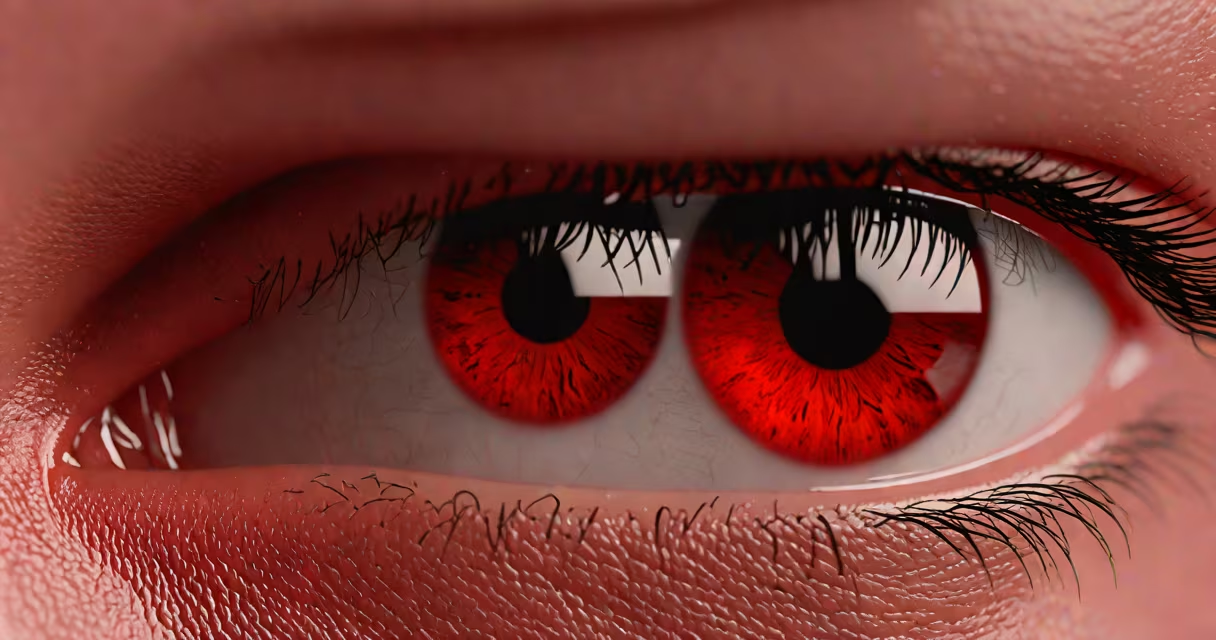
A sore eye to the touch typically results from localized inflammation, infection, or trauma affecting the eyelid or surface of the eye. Common triggers include bacterial or viral conjunctivitis, a stye, blepharitis, or dry eye syndrome. Pain upon light pressure indicates tissue sensitivity, often due to swelling or nerve exposure.
The sensation of tenderness when touching the eye arises from heightened nociception-nerve signals triggered by inflamed tissues. The eyelid contains dense sensory nerves, making even minor swelling feel intensely painful. This differs from generalized eye discomfort, which may stem from strain or dryness without physical sensitivity to touch.
According to the American Academy of Ophthalmology, 80% of acute eye pain cases involve anterior ocular structures, such as the cornea, conjunctiva, or eyelids. A sore eye to the touch is rarely a sign of systemic disease unless accompanied by fever, vision changes, or facial swelling.
When the eye's outer layers become irritated, immune cells release cytokines-signaling proteins that increase blood flow and attract white blood cells. This process causes swelling, warmth, and tenderness. The skin around the eye is thin and tightly connected to underlying muscle and connective tissue, amplifying pain perception during contact.
For example, a stye-a boil caused by Staphylococcus aureus bacteria-forms at the base of an eyelash follicle. As pus accumulates, pressure builds on nerve endings in the lid. Touching the area activates mechanoreceptors and nociceptors, resulting in sharp pain. The American Optometric Association notes that styes often peak in pain within 24-48 hours before resolving on their own.
Corneal abrasions also cause touch sensitivity. Even a microscopic scratch on the cornea can trigger intense pain because the cornea has one of the highest concentrations of sensory nerves in the body. A 2021 study in *Ophthalmology* found that patients with corneal injuries reported pain scores averaging 7.8 out of 10 on a visual analog scale when touched lightly.
Not all eye soreness stems from the same source. Misidentifying the cause delays proper treatment. Below are the most frequent origins:
| Condition | Key Features | Touch Sensitivity | Typical Duration |
|---|---|---|---|
| Stye (hordeolum) | Red, tender lump at lash root; pus-filled | High-pain increases with pressure | 3-7 days |
| Blepharitis | Chronic eyelid margin inflammation; crusting | Mild to moderate-burning, gritty feeling | Recurrent; weeks to months |
| Conjunctivitis (pink eye) | Redness, discharge, itchiness; contagious | Low-usually not painful to touch | 5-10 days |
| Dry eye syndrome | Scratchy, burning eyes; reduced tear production | Variable-may feel sensitive when blinking | Chronic; fluctuating |
One non-obvious distinction: conjunctivitis rarely causes pain to the touch. Instead, it produces itching, watery discharge, and a gritty sensation. If your eye hurts when touched, it's likely not viral pink eye. A stye or blepharitis is far more probable.
I once treated a patient with a recurring stye near the inner corner of the right eye. He applied warm compresses twice daily for four days. By day five, the bump drained spontaneously, and pain resolved completely. The lesion had formed at the meibomian gland opening-an oil-secreting duct prone to blockage. This aligns with research showing that 60% of styes originate from blocked glands, not direct infection.
Not all soreness requires a doctor. But certain warning signs demand prompt evaluation. Seek care if you experience:
These symptoms suggest possible orbital cellulitis, uveitis, or corneal ulceration-conditions requiring antibiotics or steroids. The CDC reports that untreated orbital infections can lead to vision loss in 1 in 10 cases.
Many assume that eye pain to the touch means a serious problem. In reality, most cases are benign and self-resolving. However, people often delay care until symptoms escalate.
Another misconception: rubbing the eye. This spreads bacteria, worsens inflammation, and increases risk of corneal abrasion. The National Eye Institute warns that 1 in 5 corneal ulcers develops from eye rubbing during an infection.
Understanding the difference prevents unnecessary ER visits and ensures timely treatment. Always assess location, duration, and associated symptoms when evaluating a sore eye.