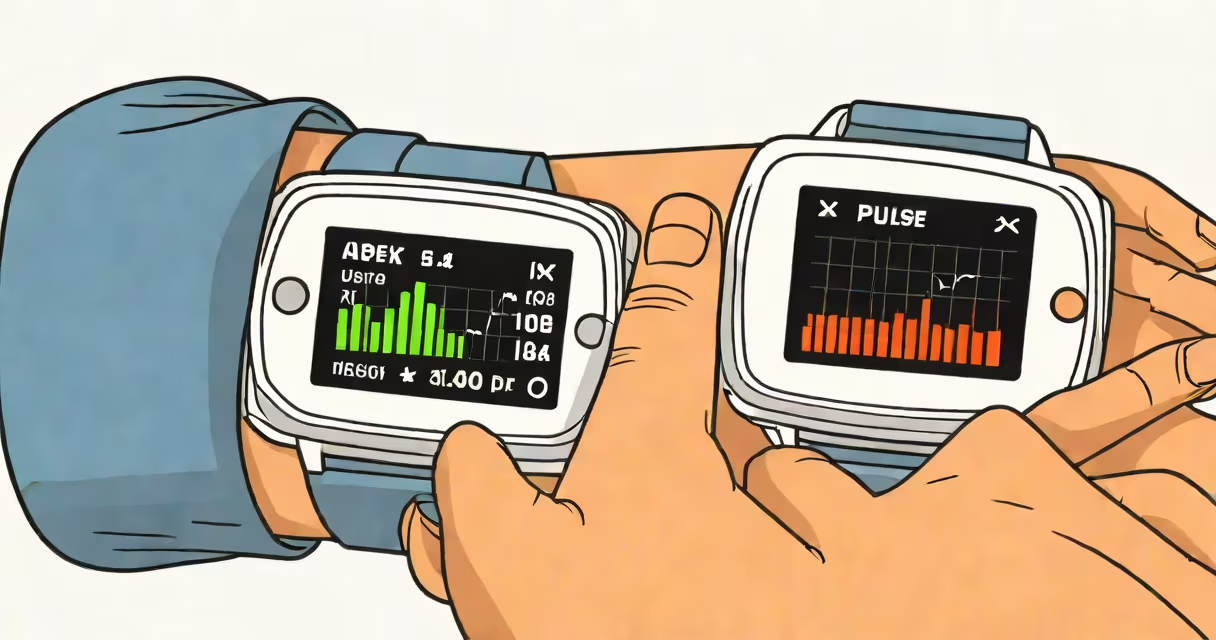
A pulse consistently above 100 beats per minute at rest indicates tachycardia, a condition where the heart beats faster than normal. This can stem from stress, dehydration, medication side effects, or underlying heart or hormonal issues. Persistent tachycardia requires medical evaluation to rule out serious conditions.
Resting heart rate is typically between 60 and 100 beats per minute. A rate above 100 while at rest is classified as tachycardia. The American Heart Association notes that sustained tachycardia increases the risk of stroke, heart failure, and sudden cardiac arrest. It's not simply a number-it reflects how hard the heart works and whether it's receiving adequate oxygen.
When the heart beats too quickly, it doesn't fill properly between contractions. This reduces blood flow to important organs. Over time, this strain weakens the heart muscle. The Mayo Clinic reports that untreated tachycardia can lead to cardiomyopathy, especially in people with pre-existing heart disease.
The heart's electrical system controls its rhythm. Impulses start in the sinoatrial (SA) node, the natural pacemaker in the right atrium. These signals travel through the atrioventricular (AV) node to the ventricles. Any disruption in this pathway can cause rapid firing.
Common types include sinus tachycardia, where the SA node fires too fast due to external triggers like fever or anxiety. Supraventricular tachycardia (SVT) arises from abnormal circuits above the ventricles. Ventricular tachycardia (VT) originates in the lower chambers and is more dangerous, often requiring emergency treatment.
For example, a 42-year-old woman reported a resting pulse of 118 bpm during a routine checkup. She had no symptoms but was prescribed a Holter monitor. The device recorded 14 episodes of SVT lasting 30 to 90 seconds each over 24 hours. After ablation therapy, her average resting rate dropped to 72 bpm.
Non-cardiac factors are common. Dehydration reduces blood volume, forcing the heart to pump faster. Caffeine, nicotine, and stimulant medications can spike heart rate. Hyperthyroidism increases metabolic demand, raising cardiac output. The Endocrine Society states that untreated hyperthyroidism can improve resting heart rate by 20-30 beats per minute.
Cardiac causes include arrhythmias, coronary artery disease, and structural heart defects. People with hypertension often develop left ventricular hypertrophy, which disrupts electrical conduction. A 2021 study in the Journal of the American College of Cardiology found that 38% of patients with unexplained tachycardia had undiagnosed structural abnormalities on echocardiogram.
Psychological factors play a role too. Chronic anxiety and panic disorder activate the sympathetic nervous system, increasing adrenaline. This leads to sustained tachycardia even without physical exertion. A 2020 review in the European Heart Journal showed that 27% of patients referred for tachycardia had no organic cause-diagnoses included generalized anxiety disorder and PTSD.
Many assume a high pulse always means heart disease. That's incorrect. A healthy person can have a pulse over 100 during exercise, fever, or emotional stress. The key is context: is the rate elevated at rest?
Another error is equating palpitations with tachycardia. Palpitations are the sensation of a racing or irregular heartbeat. They can occur with normal or slow rates. A patient may feel their heart "skipping" at 65 bpm. Conversely, tachycardia can be asymptomatic-some people notice nothing until a routine exam reveals a high rate.
Some confuse tachycardia with arrhythmia. All tachycardia is an arrhythmia, but not all arrhythmias are tachycardia. Arrhythmias include bradycardia (too slow), extrasystoles (extra beats), and fibrillation. The distinction matters because treatments differ.
Consult a healthcare provider if your resting pulse exceeds 100 bpm for more than a few days. Especially if accompanied by dizziness, chest pain, shortness of breath, or fainting. These signs suggest reduced cardiac output or life-threatening arrhythmias.
For reference, a normal resting heart rate is 60-100 bpm. Rates above 100 are tachycardic. If your pulse stays above 100 for several days despite hydration, sleep, and avoiding stimulants, it's not normal. The Cleveland Clinic advises that persistent tachycardia warrants an electrocardiogram (ECG), echocardiogram, and possibly a 24-hour Holter monitor.
I once monitored a 35-year-old man who reported a pulse of 112 bpm daily for two weeks. He was otherwise healthy, exercised regularly, and consumed no caffeine. His ECG revealed Wolff-Parkinson-White syndrome-a congenital electrical pathway causing AV re-entry tachycardia. After catheter ablation, his heart rate stabilized at 70 bpm.
| Type | Origin | Typical Rate | Common Triggers | Risk Level |
|---|---|---|---|---|
| Sinus tachycardia | SA node | 100-180 bpm | Fever, dehydration, anxiety | Low (reversible) |
| Supraventricular tachycardia (SVT) | Atria or AV node | 150-250 bpm | Stress, caffeine, alcohol | Moderate (can cause syncope) |
| Ventricular tachycardia (VT) | Lower chambers | 100-250 bpm | Heart attack, cardiomyopathy | High (life-threatening) |
Each type requires different diagnostics and management. SVT often responds to vagal maneuvers like the Valsalva maneuver. VT usually needs defibrillation or antiarrhythmic drugs.
Why is my pulse always over 100? It may reflect physiological stress, medication, or an underlying condition. A consistent resting rate above 100 bpm is not normal and demands investigation. Early diagnosis prevents complications like heart failure or stroke.