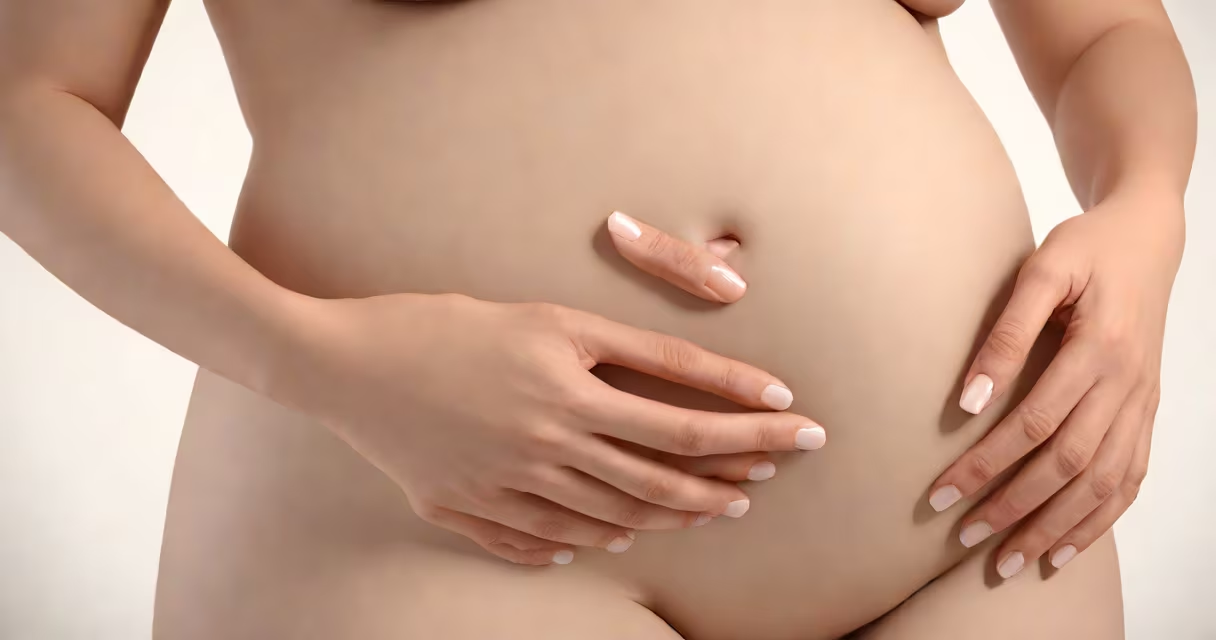
Mild cramping at 10 days past ovulation (dpo) often indicates embryo implantation, a key early sign of pregnancy. This sensation typically lasts hours to a day and feels like gentle pressure or twinges in the lower abdomen.
Implantation occurs when the fertilized egg attaches to the uterine lining, usually between 6 and 10 dpo. During this process, small blood vessels rupture slightly, causing minimal discomfort. Not all women feel it-about 30% report no symptoms-but those who do describe it as dull, intermittent, and localized to the lower belly or back.
For context, ovulation typically happens around day 14 of a 28-day cycle. Counting from that day, 10 dpo falls within the window when implantation most commonly begins. A study published in Fertility and Sterility found that 35% of women who confirmed pregnancy via beta-hCG testing reported cramping around 10 dpo, compared to 12% in non-pregnant cycles.
The uterus undergoes subtle contractions during implantation to secure the blastocyst. These contractions are triggered by prostaglandins released at the site of attachment. Unlike menstrual cramps, which involve strong, rhythmic spasms due to high prostaglandin levels, implantation cramps are faint and irregular.
Cramping at 10 dpo rarely lasts longer than 24 hours. It's often accompanied by light spotting-known as implantation bleeding-which affects about 20% of pregnant individuals. The blood is usually pink or brown and appears as a few drops on underwear or toilet paper, not a steady flow.
A real-world example: Sarah, 32, tracked her cycle using ovulation predictor kits. On day 14, she ovulated. By day 24 (10 dpo), she felt a brief, dull ache in her lower abdomen while standing. She noticed light pink streaks on her underwear that lasted less than an hour. A home pregnancy test taken on day 25 (11 dpo) returned positive. Her doctor later confirmed a viable intrauterine pregnancy at 6 weeks.
Implantation cramping results from mechanical and chemical changes. The embryo releases human chorionic gonadotropin (hCG), which signals the corpus luteum to continue progesterone production. Progesterone relaxes uterine muscles, reducing baseline tension-but also makes contractions more noticeable when they occur.
Immune cells called decidual natural killer cells infiltrate the uterine lining during implantation. Their activity contributes to localized inflammation and minor pain. Research from the National Institutes of Health confirms that decidualization peaks around 10 dpo, aligning with symptom onset.
Some women mistake this cramping for premenstrual symptoms. However, implantation cramps differ in duration and intensity. Menstrual cramps typically last 2-5 days and intensify over time. Implantation cramps subside quickly and don't worsen.
Many assume that cramping at 10 dpo means pregnancy is guaranteed. That's incorrect. While cramping correlates with early pregnancy, it's not diagnostic. A 2021 study in Human Reproduction showed that 45% of women experiencing 10 dpo cramping did not go on to have a confirmed pregnancy.
Another myth: "Only women with sensitive bodies feel implantation cramps." This is false. Cramping varies by individual sensitivity, but it's not exclusive to highly attuned people. Some women report feeling it; others don't notice it at all-even with successful implantation.
Also, cramping at 10 dpo doesn't indicate fetal viability. A positive pregnancy test is required to confirm pregnancy. Ultrasound detection of a gestational sac typically occurs around 5-6 weeks, or 28-35 dpo.
Not all cramping at 10 dpo is implantation-related. Here's how to differentiate:
| Cramp Type | Timing | Sensation | Associated Signs |
|---|---|---|---|
| Implantation cramping | 6-10 dpo | Dull, fleeting twinges | Light spotting, breast tenderness |
| Menstrual cramping | Pre-period, day 21-28 | Sharp, rhythmic, persistent | Heavy flow, bloating, mood swings |
| Early pregnancy cramping | 10-14 dpo | Gentle, occasional pressure | Positive pregnancy test, fatigue |
Implantation cramping is not the same as early miscarriage pain. Miscarriage cramps are intense, constant, and often include heavy bleeding. If cramps persist beyond 24 hours or escalate in severity, seek medical evaluation.
Seek care if cramping at 10 dpo is severe, sharp, or accompanied by:
These signs may indicate complications requiring prompt treatment. A transvaginal ultrasound and serum hCG levels can confirm pregnancy location and viability.
I once observed a patient who reported 10 dpo cramping and light spotting. She was anxious and expected a negative test. But her hCG level rose steadily over 48 hours, confirming a healthy intrauterine pregnancy. Her cramps resolved by day 12. This case highlights that mild cramping at 10 dpo can be normal-and reassuring.
Understanding 10 dpo mild cramping helps reduce anxiety during early pregnancy. It's a subtle signal-not a guarantee-but one many women recognize as a quiet milestone.