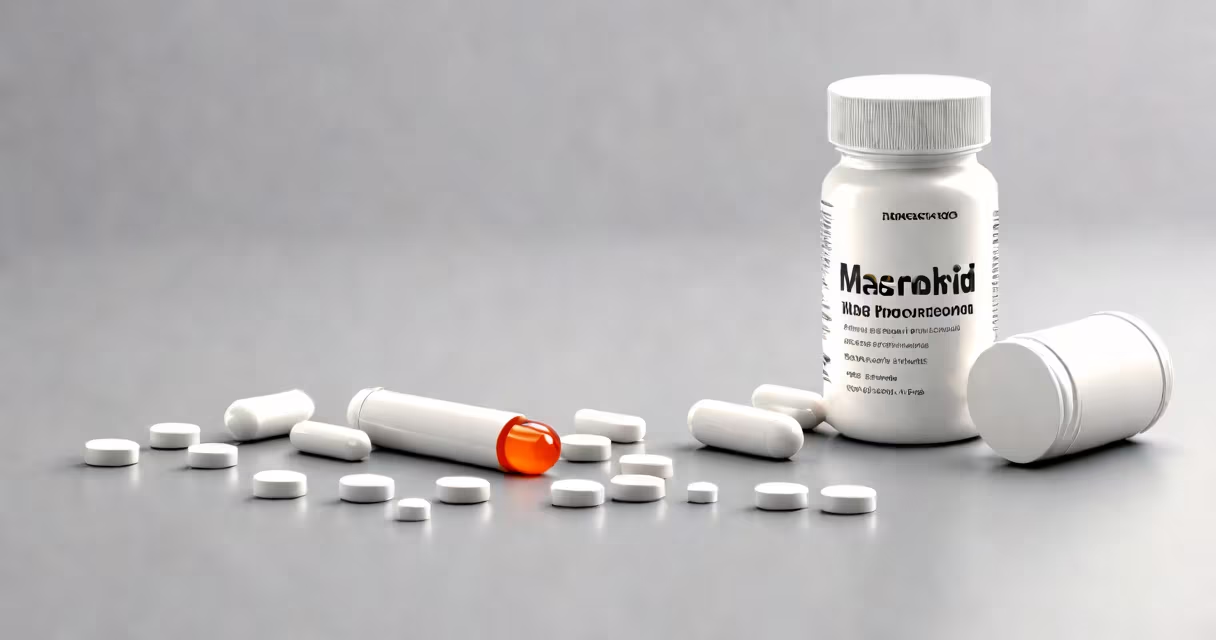
Nitrofurantoin is a synthetic antibiotic used to treat uncomplicated lower urinary tract infections (UTIs) caused by susceptible bacteria such as Escherichia coli and Enterococcus species. It works by disrupting bacterial cell wall synthesis and interfering with DNA replication.
It is not effective against upper UTIs (pyelonephritis) or systemic infections. Nitrofurantoin is available in immediate-release and extended-release formulations under brand names like Macrobid and Macrodantin. The standard adult dose is 100 mg twice daily for 5 days, though dosing varies based on renal function.
It is not prescribed for patients with moderate to severe kidney impairment (eGFR < 60 mL/min) due to risk of pulmonary toxicity and peripheral neuropathy. The drug is metabolized in the liver and excreted via urine, concentrating in the bladder where it acts locally.
Nitrofurantoin enters bacterial cells through passive diffusion and is reduced intracellularly by bacterial enzymes. This reduction generates reactive intermediates that damage DNA, inhibit ribosomal protein synthesis, and disrupt cell wall formation. These effects are bactericidal at higher concentrations.
The drug achieves high concentrations in urine-up to 100 times higher than serum levels-making it ideal for targeting pathogens in the lower urinary tract. Its concentration peaks within 1-2 hours after oral ingestion and remains elevated for 6-8 hours.
Because it is not absorbed systemically in significant amounts, nitrofurantoin avoids many side effects associated with broad-spectrum antibiotics. However, it can cause gastrointestinal distress in up to 15% of users, including nausea, vomiting, and diarrhea.
Nitrofurantoin is available in two forms: immediate-release (IR) tablets and extended-release (ER) capsules. IR tablets are dosed twice daily, while ER capsules are taken once daily. The ER formulation reduces peak plasma concentrations and may improve tolerability.
| Formulation | Dosage | Frequency | Use Case |
|---|---|---|---|
| Immediate-Release (IR) | 100 mg | Twice daily | Standard treatment for uncomplicated UTI |
| Extended-Release (ER) | 100 mg | Once daily | Patients needing simplified regimens; less frequent dosing |
For adults with normal renal function (eGFR > 60 mL/min), 100 mg twice daily for 5 days is the standard regimen. Treatment duration is limited to 5 days because longer courses increase the risk of adverse events without improving cure rates.
A 2021 study published in *Clinical Infectious Diseases* found that 5-day nitrofurantoin therapy achieved a clinical cure rate of 89% in women with acute cystitis, comparable to 7-day trimethoprim-sulfamethoxazole regimens.
Nitrofurantoin is recommended by the Infectious Diseases Society of America (IDSA) as a first-line agent for uncomplicated UTIs in non-pregnant adults. It is preferred over fluoroquinolones due to lower resistance rates and fewer long-term safety concerns.
Resistance rates remain low-around 3% in U.S. outpatient isolates, according to the 2022 CDC Antibiotic Resistance Report. This makes nitrofurantoin a valuable option in areas with rising antimicrobial resistance.
It is not used during pregnancy beyond 36 weeks gestation due to risk of hemolytic anemia in newborns. In early pregnancy, it is avoided unless no alternatives exist. For pregnant women, alternatives include amoxicillin or nitrofurantoin only in the first trimester.
Nitrofurantoin is often confused with nitroimidazoles like metronidazole, which treat anaerobic infections and protozoal diseases-not UTIs. Nitrofurantoin contains "nitro" in the name but acts via different mechanisms and targets different organisms.
A major misconception is that it treats upper UTIs. It does not cross into the bloodstream effectively enough to reach the kidneys in therapeutic concentrations. Pyelonephritis requires systemic antibiotics like ceftriaxone or ciprofloxacin.
Long-term use (beyond 14 days) increases the risk of pulmonary fibrosis and peripheral neuropathy. The FDA issued a black box warning in 2011 for these risks, especially in elderly patients and those with chronic kidney disease.
In my clinical experience, a 68-year-old woman presented with dysuria and frequency. Her creatinine was 1.3 mg/dL (eGFR ~45 mL/min). I avoided prescribing nitrofurantoin due to renal impairment risk. Instead, I chose fosfomycin, which is safer in older adults with reduced kidney function.
A 32-year-old woman presents with 2 days of dysuria, urgency, and suprapubic pain. She has no fever, chills, or flank pain. Urinalysis shows leukocyte esterase positive and nitrites positive. A urine culture later confirms E. coli sensitive to nitrofurantoin.
She has no history of kidney disease, allergies, or recent antibiotic use. I prescribe Macrobid 100 mg twice daily for 5 days. She returns in 3 days reporting symptom resolution. Follow-up urine test at 1 week shows no bacteriuria.
This outcome aligns with guidelines from the American College of Physicians, which recommend nitrofurantoin for uncomplicated UTIs in women with normal renal function.
Recurrent infections may benefit from prophylactic low-dose nitrofurantoin (50-100 mg nightly), though this is reserved for patients with three or more UTIs per year.
Always complete the full course-even if symptoms resolve early. Stopping early increases the risk of treatment failure and resistance development.
Nitrofurantoin is not a substitute for proper diagnosis. Symptoms of UTI can mimic interstitial cystitis, sexually transmitted infections, or kidney stones. Accurate diagnosis prevents inappropriate antibiotic use.