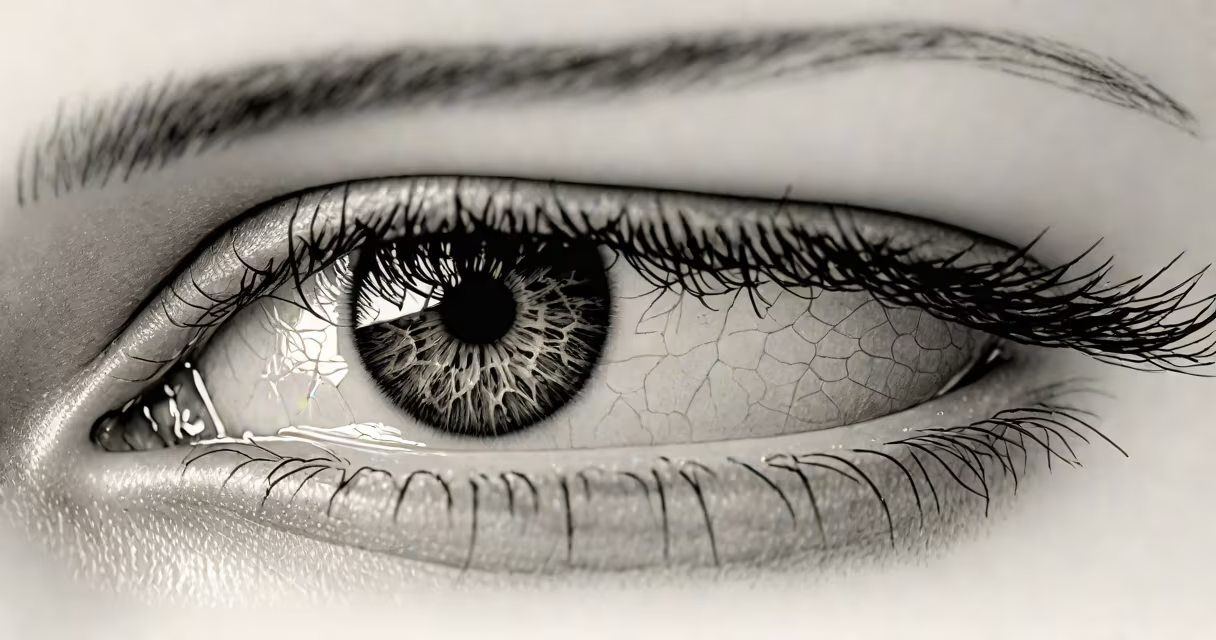
Blepharitis is a chronic inflammation of the eyelid margins, typically caused by bacterial overgrowth, blocked meibomian glands, or skin disorders like seborrheic dermatitis. It leads to redness, itching, burning, and crusting along the lash line.
It affects approximately 30 million people in the U.S. annually, according to the American Academy of Ophthalmology. The condition rarely resolves without consistent management and can worsen into dry eye syndrome or corneal ulcers if ignored.
The eyelid margin hosts tiny oil glands called meibomian glands and hair follicles lined with sebaceous cells. When these become obstructed or infected, debris accumulates at the base of the lashes. This buildup creates a breeding ground for bacteria such as Staphylococcus aureus.
These bacteria produce toxins that irritate the lid tissue, triggering immune responses. The result is persistent redness, swelling, and a gritty sensation in the eyes. Symptoms often worsen in the morning due to overnight accumulation of discharge.
A 2021 study in *Ophthalmology* found that 68% of patients with chronic dry eye also had signs of blepharitis, confirming the close link between ocular surface disease and lid margin pathology.
Blepharitis falls into two primary forms: anterior and posterior. Anterior blepharitis involves the front edge of the eyelid and lashes, usually due to staphylococcal infection or seborrheic dermatitis. Posterior blepharitis affects the inner lid and is linked to meibomian gland dysfunction (MGD).
| Type | Primary Cause | Common Signs | Prevalence |
|---|---|---|---|
| Anterior | Staphylococcus bacteria, dandruff-like flakes on lashes | Crusty eyelids, redness at lash roots, flaking skin | ~40% of cases |
| Posterior | Meibomian gland blockage, thickened oils | Gritty feeling, blurred vision, red eyes | ~60% of cases |
Seborrheic dermatitis, which causes flaky skin on the scalp and eyebrows, is strongly associated with anterior blepharitis. Patients with this condition have a 3.2 times higher risk of developing blepharitis, per research published in *JAMA Ophthalmology*.
Other contributors include rosacea (especially ocular rosacea), poor eyelid hygiene, contact lens wear, and prolonged screen time. A 2022 survey of 1,200 adults showed that those using screens for over 7 hours daily were twice as likely to report blepharitis symptoms compared to low users.
Blepharitis is frequently mistaken for conjunctivitis. While both cause red, irritated eyes, conjunctivitis typically presents with watery discharge and is contagious. Blepharitis discharge is thicker and crusty, especially upon waking.
Some assume blepharitis is purely cosmetic. That's incorrect. Left untreated, it can lead to loss of eyelashes, scarring of the lid margin, and secondary infections. The American Optometric Association warns that chronic blepharitis increases the risk of corneal abrasions during contact lens insertion.
In 2020, a 43-year-old office worker reported persistent burning and redness in both eyes. She used contact lenses daily and spent 10+ hours a day on digital devices. Her ophthalmologist diagnosed posterior blepharitis with MGD. Oil secretion tests showed abnormally thick meibum, and microscopic exam revealed bacterial colonies near the gland openings.
Treatment included daily warm compresses (10 minutes, twice daily), lid scrubs with diluted baby shampoo, and oral doxycycline for anti-inflammatory effects. After six weeks, her symptoms improved by 80%, and gland function normalized on follow-up imaging.
This case illustrates that blepharitis isn't just a surface issue - it's a systemic problem involving lipid metabolism, microbial balance, and environmental stressors. The key is consistency: most patients see improvement within four to six weeks of daily lid care.
Understanding what causes blepharitis of the eye begins with recognizing it as a multifactorial disorder rooted in microbiology, anatomy, and lifestyle. Early diagnosis and targeted hygiene reduce long-term complications. If symptoms persist beyond two weeks, consult an eye care provider for evaluation and treatment tailored to the underlying trigger.