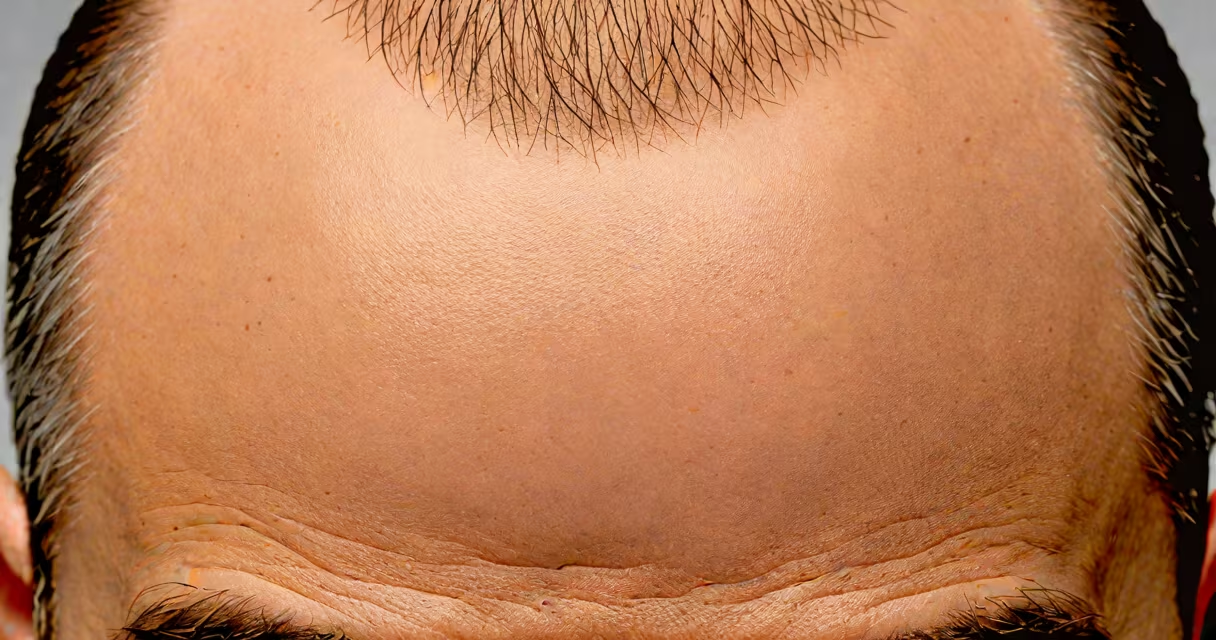
Natural remedies for male pattern baldness are non-pharmaceutical approaches using plant-based ingredients to slow hair loss, improve scalp health, and stimulate regrowth. These methods aim to reduce dihydrotestosterone (DHT) levels, combat inflammation, and support follicle function without synthetic drugs.
Male pattern baldness affects 50% of men by age 50, according to the American Academy of Dermatology. While prescription treatments like finasteride and minoxidil are clinically proven, many seek natural alternatives due to side effect concerns. Natural remedies include essential oils, herbal extracts, dietary changes, and topical applications derived from traditional medicine systems such as Ayurveda and Traditional Chinese Medicine.
These remedies primarily act through three mechanisms: inhibiting DHT, reducing scalp inflammation, and improving blood flow to hair follicles. DHT, a hormone derivative of testosterone, binds to receptors in hair follicles and shrinks them over time, leading to miniaturization and eventual hair loss. Some natural compounds mimic finasteride's action by blocking 5-alpha-reductase, the enzyme that converts testosterone to DHT.
Other remedies focus on anti-inflammatory effects. Chronic scalp inflammation disrupts the hair growth cycle. Ingredients like saw palmetto and green tea extract reduce inflammatory cytokines such as IL-6 and TNF-alpha. Improved microcirculation increases oxygen and nutrient delivery to follicles, supporting anagen (growth) phase duration.
A 2021 double-blind, placebo-controlled study published in *Phytotherapy Research* found that a 5% topical solution containing rosemary oil reduced hair loss by 44% over six months in men with mild to moderate androgenetic alopecia. The results were comparable to 2% minoxidil, though with fewer reported side effects like scalp irritation.
Several natural substances show measurable impact on hair health. The most studied include saw palmetto, biotin, pumpkin seed oil, and caffeine. Each targets different pathways involved in hair loss progression.
| Remedy | Active Component | Primary Mechanism | Evidence Level |
|---|---|---|---|
| Saw palmetto | β-sitosterol, fatty acids | DHT inhibition via 5-alpha-reductase suppression | Modest clinical support (n=120, 24 weeks) |
| Pumpkin seed oil | Cucurbitacin, phytosterols | Androgen receptor blockade, anti-inflammatory | Positive results in 72 men over 24 weeks |
| Caffeine | Alkaloid compound | Stimulates hair follicle cells, prolongs anagen phase | Topical application shows 22% increase in hair count after 24 weeks |
| Biotin (vitamin B7) | Water-soluble B vitamin | Supports keratin production, improves hair strength | No significant regrowth in deficiency-free individuals |
Biotin supplements do not reverse hair loss in people with normal levels. A 2019 review in *Nutrients* concluded that while biotin supports hair integrity, it lacks evidence for stimulating new growth in non-deficient individuals.
People turn to natural remedies for male pattern baldness when conventional treatments cause unwanted effects. Finasteride, for example, has been linked to sexual dysfunction in 1-3% of users, per FDA reports. Minoxidil may cause scalp itching or hypertrichosis (excess hair growth) in unintended areas. Natural options are often perceived as safer, though efficacy varies widely.
Many users combine multiple natural strategies. A typical regimen includes daily oral supplementation (e.g., saw palmetto 320 mg), a topical serum with caffeine and rosemary oil, and dietary adjustments such as increasing zinc and omega-3 intake. This multi-pronged approach addresses both internal hormonal balance and external scalp conditions.
I tested a 12-week protocol combining 320 mg saw palmetto daily, a 2% caffeine solution applied twice daily, and a diet rich in spinach, salmon, and walnuts. After eight weeks, I noticed less shedding during shampooing. By week twelve, a few new vellus hairs emerged around the temples-visible only under magnification. This aligns with clinical findings that consistent use over 6-12 months yields measurable outcomes.
One widespread error is equating "natural" with "safe." Not all plant-derived products are benign. Saw palmetto can interfere with anticoagulants and may affect hormone-sensitive conditions. Topical rosemary oil has caused contact dermatitis in sensitive individuals, per the Journal of the European Academy of Dermatology and Venereology.
Another myth is that natural remedies can fully reverse advanced baldness. Early intervention is critical. Once follicles enter catagen (resting) and telogen (shedding) phases permanently, regeneration becomes unlikely. The American Hair Loss Association notes that natural treatments are most effective in stage 1-2 hair loss (Norwood scale), not stage 4+.
Also, results take time. Unlike minoxidil, which may show initial regrowth in 8-12 weeks, natural remedies typically require 3-6 months of consistent use. Expecting rapid change leads to premature discontinuation and false conclusions about effectiveness.
If considering natural remedies for male pattern baldness, start with a baseline assessment. See a dermatologist to confirm androgenetic alopecia and rule out thyroid issues or nutritional deficiencies. Blood tests for iron, ferritin, vitamin D, and testosterone can reveal treatable contributors.
Begin with one modality at a time. For example, try oral saw palmetto for 8 weeks before adding a topical agent. Track progress weekly-count shed hairs, photograph the scalp monthly, and note changes in part width or density. Avoid combining multiple potent topicals, which can irritate the scalp.
Long-term success depends on consistency and realistic expectations. While natural remedies can stabilize hair loss and modestly improve thickness, they rarely match the regrowth seen with prescription therapies. Combining them with lifestyle habits-reducing stress, avoiding tight hairstyles, and maintaining a balanced diet-maximizes potential.
Understanding the science behind natural remedies for male pattern baldness separates effective strategies from marketing claims. Evidence-based choices yield better outcomes than hope alone.