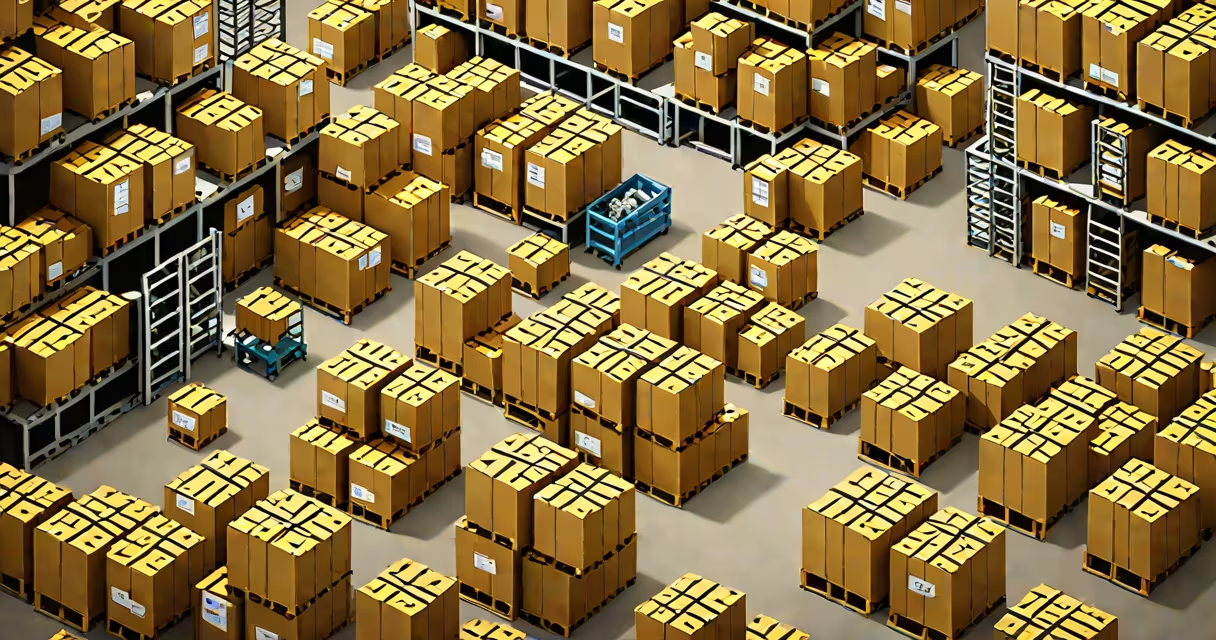
A b2b ecommerce business is an online platform or company that facilitates the sale of goods or services from one business to another, bypassing retail consumers. These transactions occur through digital marketplaces, proprietary websites, or integrated procurement systems, often involving bulk orders, negotiated pricing, and long-term contracts.
Unlike consumer-focused online stores, b2b ecommerce businesses prioritize efficiency, volume, and relationship-driven sales. They serve manufacturers, distributors, retailers, contractors, and service providers who buy inventory, equipment, software, or supplies in large quantities. Transactions typically involve complex workflows, automated invoicing, and integration with enterprise resource planning (ERP) systems.
According to Statista, global B2B ecommerce sales reached $1.4 trillion in 2023 and are projected to grow to $2.3 trillion by 2026. This growth reflects increasing adoption of digital procurement tools across industries such as manufacturing, healthcare, and logistics.
These businesses function through a combination of technical infrastructure and tailored sales processes. A typical workflow begins with a business customer logging into a secure portal using a unique account or API key. From there, they access product catalogs filtered by category, brand, or custom pricing tiers.
Orders are processed through automated approval workflows. For example, a purchasing manager at a construction firm may submit a request for 500 steel brackets. The system checks inventory levels, applies a negotiated discount based on past purchase history, and routes the order to finance for payment verification. Once approved, the order triggers fulfillment via a third-party logistics provider.
Integration with ERP systems like SAP or Oracle ensures real-time updates to inventory, accounts payable, and delivery tracking. A 2022 report by McKinsey found that companies using integrated B2B platforms reduced procurement cycle times by 30% compared to manual processes.
B2b ecommerce businesses rely on several foundational elements:
There are three primary structural types:
| Type | Description | Example |
|---|---|---|
| Direct-to-business | Manufacturer sells directly to corporate buyers via branded website. | Siemens selling industrial automation systems to factories. |
| Marketplace aggregator | Third-party platform hosts multiple suppliers and enables comparison shopping. | Amazon Business, Alibaba's B2B section. |
| Hybrid model | Combines direct sales with marketplace features, often with embedded negotiation tools. | GE Digital's Predix platform offering both direct sales and partner listings. |
One underappreciated distinction: many b2b ecommerce platforms still use legacy systems. A 2023 Gartner survey found that 47% of B2B vendors still rely on outdated web interfaces lacking mobile responsiveness or AI-powered recommendations-despite rising expectations for smooth digital experiences.
Many assume b2b ecommerce is simply "e-commerce for businesses." That's incorrect. While both involve online transactions, b2b models differ in scale, complexity, and decision-making dynamics.
For example, a B2C transaction like buying a coffee maker on Amazon involves one buyer, immediate payment, and standard shipping. A b2b equivalent-ordering 1,000 units of industrial-grade coffee machines for a hotel chain-requires credit checks, multi-tier approvals, customized packaging, and staggered delivery schedules.
Another myth: that all b2b buyers are rational and impersonal. In reality, procurement decisions often hinge on trust, past performance, and personal relationships. A 2021 study by Harvard Business Review showed that 68% of B2B buyers still prefer human interaction during the negotiation phase, even when using digital tools.
I once observed a small electronics distributor switch from a basic Shopify site to a custom-built b2b portal with tiered pricing and quote requests. Within six months, their average order value rose from $420 to $1,890, and customer retention improved by 41%. The change wasn't just technical-it was strategic, aligning the platform with how their buyers actually operated.
Leading b2b ecommerce platforms include Salesforce Commerce Cloud, Shopify Plus (with B2B extensions), and Magento Enterprise. These systems support advanced features like recurring billing, bulk upload tools, and customer-specific catalog views.
For example, a medical supply company using Salesforce Commerce Cloud can assign different product visibility settings to hospitals, clinics, and government agencies-all while maintaining compliance with HIPAA regulations for data handling.
When evaluating platforms, focus on scalability and integration capability. A 2023 report by Forrester noted that 62% of successful b2b vendors chose platforms with pre-built connectors to ERP and CRM systems, reducing implementation time by an average of 40 days.
The success of a b2b ecommerce business hinges on aligning digital tools with real-world procurement workflows-not just replicating consumer e-commerce patterns. When done correctly, it reduces friction, increases transparency, and strengthens supplier-customer partnerships.