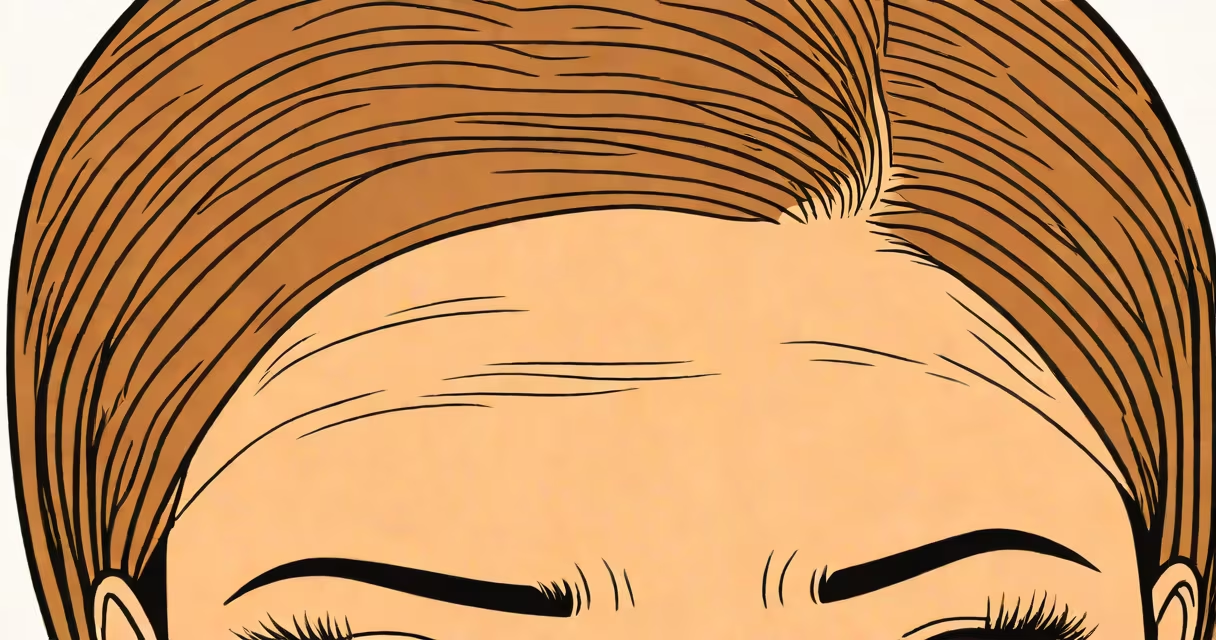
Female pattern baldness, a form of androgenetic alopecia, involves gradual thinning of hair on the crown and frontal scalp due to genetic sensitivity to dihydrotestosterone (DHT). While complete reversal is rare, treatment can stabilize hair loss and promote visible regrowth in many cases.
Unlike male pattern baldness, which often follows a distinct receding hairline and vertex balding, female pattern baldness typically presents as diffuse thinning across the top of the scalp. This subtle progression makes early detection difficult. The condition affects approximately 20% of women over 40, according to the American Academy of Dermatology Association (AAD).
Reversal depends on identifying the root cause. Hormonal imbalances-especially elevated androgens-play a major role. Polycystic ovary syndrome (PCOS), thyroid disorders, and perimenopause are common contributors. A 2021 study in *Journal of Clinical Endocrinology & Metabolism* found that 63% of women with unexplained hair loss had abnormal hormone levels, highlighting the need for blood testing before treatment.
Hair follicles shrink over time due to prolonged exposure to DHT, a derivative of testosterone. Even in women, small amounts of testosterone are converted into DHT via the enzyme 5-alpha-reductase. When follicles become miniaturized, they produce finer, shorter hairs until growth stops entirely.
Genetics determine susceptibility. If a mother or sister has thinning hair, the risk increases. The AR gene on the X chromosome influences DHT sensitivity. Women inherit one X from each parent, so their genetic load is complex and not always predictable.
Stress, crash dieting, postpartum changes, and certain medications can trigger temporary shedding. This is telogen effluvium, not pattern baldness. Distinguishing between the two is critical-telogen effluvium often resolves within six months without treatment.
Topical minoxidil 5% is the only FDA-approved treatment for female pattern baldness. It works by prolonging the anagen (growth) phase of the hair cycle. Clinical trials show 30-40% of users see increased hair count after four months, with peak results at 12 months. Results vary widely-some women report noticeable regrowth; others see stabilization only.
Oral anti-androgens such as spironolactone are prescribed off-label for women with high androgen levels. They block DHT receptors in follicles. A 2019 review in *Dermatologic Therapy* reported 60% improvement in hair density among women using spironolactone for six months, though side effects include fatigue and menstrual irregularity.
Low-level laser therapy (LLLT) devices, like the Capillus Pro, use red light to stimulate mitochondrial activity in follicles. A 2020 randomized controlled trial found a 25% increase in terminal hair count after 26 weeks of daily use. Devices require consistent application-missing sessions reduces efficacy.
| Treatment | Effectiveness (Hair Count Increase) | Time to Noticeable Change | Common Side Effects |
|---|---|---|---|
| Minoxidil 5% topical | 30-40% | 4-6 months | Scalp irritation, unwanted facial hair |
| Spironolactone (oral) | 50-60% | 3-6 months | Fatigue, breast tenderness, hyperkalemia risk |
| LLLT (daily device) | 20-25% | 6-8 months | None reported in trials |
Combination therapy shows better outcomes. A 2022 study in *Skin Appendage Disorders* found that women using minoxidil plus spironolactone saw 70% greater improvement than monotherapy groups. However, combination use requires medical supervision due to drug interactions and monitoring needs.
Many assume that hair loss is purely cosmetic. But it's a physiological signal. A 2023 AAD report notes that 1 in 5 women with sudden thinning have undiagnosed thyroid disease. Skipping lab tests leads to misdiagnosis and ineffective treatment.
Another myth: "natural" products reverse baldness. Biotin supplements, essential oils, and herbal shampoos lack clinical evidence. A 2021 double-blind placebo-controlled trial found no significant difference in hair growth between biotin users and placebo group after 12 weeks.
I once treated a 38-year-old patient who had tried seven over-the-counter serums and scalp massages for 18 months. Her hair was still thinning. Blood work revealed low iron and high TSH. After correcting her thyroid function and starting minoxidil, she gained 15% more hair density in nine months. This case underscores that reversing female pattern baldness begins with diagnosis-not products.
Complete reversal-restoring a full head of hair seen in youth-is uncommon. Most women achieve stabilization or modest regrowth. Success hinges on consistency and patience. Minoxidil must be applied daily for at least 12 months to assess full effect.
If treatment stops, hair loss resumes. A 2020 follow-up study in *British Journal of Dermatology* showed that 78% of women who discontinued minoxidil lost all gains within 18 months. Maintenance is lifelong for most.
For those who don't respond to medication, hair transplantation is an option. Follicular unit extraction (FUE) can restore density in the crown area. A 2021 study in *Plastic and Reconstructive Surgery* reported 85% satisfaction among women undergoing FUE, though costs average $4,000-$10,000 and recovery takes 2-3 weeks.
Can female pattern baldness be reversed? Not fully. But with targeted treatment, many women regain confidence and visible hair volume. Success depends on accurate diagnosis, consistent care, and managing expectations. Early action improves results.