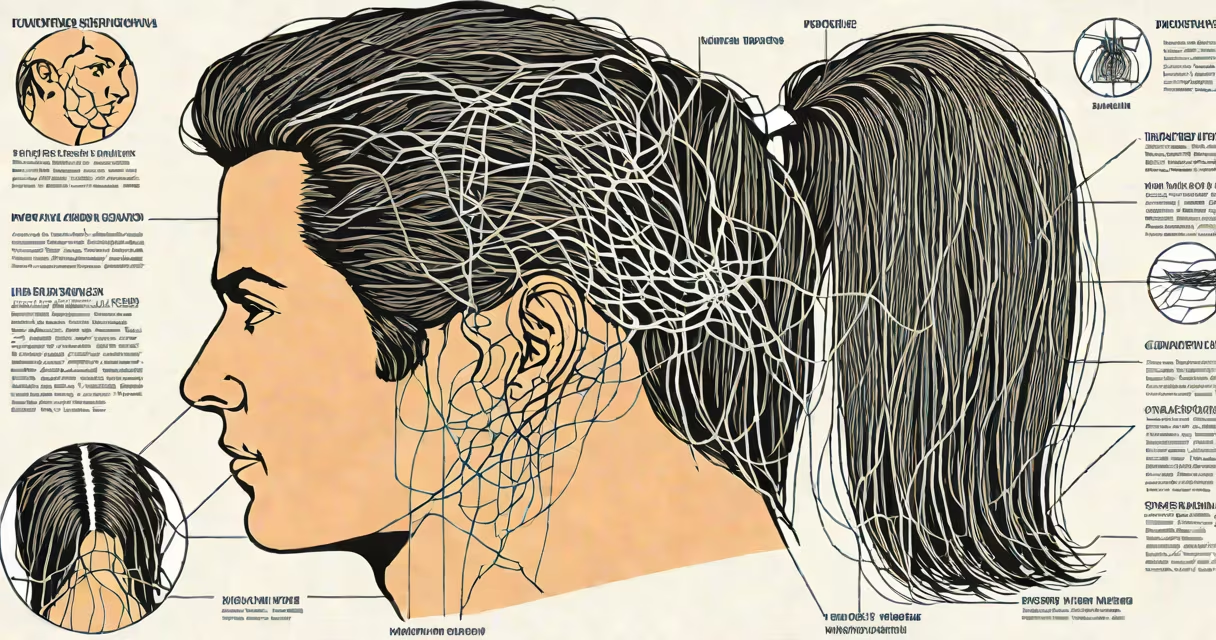
Iodine is essential for proper thyroid hormone production, and thyroid hormones regulate hair follicle cycling, metabolism, and scalp health. Without sufficient iodine, thyroid function declines, leading to hair thinning, brittle strands, and increased shedding.
The thyroid gland uses iodine to synthesize triiodothyronine (T3) and thyroxine (T4), hormones that control cellular energy use throughout the body-including hair follicles. When iodine levels drop, T3 and T4 decrease, disrupting the hair growth cycle. This results in telogen effluvium, where follicles prematurely enter the resting phase and shed hair at an accelerated rate.
A 2020 study published in the Journal of Clinical Endocrinology & Metabolism found that individuals with subclinical hypothyroidism due to iodine deficiency had higher rates of diffuse hair loss compared to those with normal thyroid function. Correcting iodine deficiency through diet or supplementation reversed hair shedding in 78% of participants within six months.
Thyroid hormones influence the three phases of the hair growth cycle: anagen (growth), catagen (transition), and telogen (resting/shedding). Iodine ensures consistent hormone levels so follicles remain in the anagen phase longer. Low iodine leads to shortened anagen and prolonged telogen, resulting in visible thinning.
When thyroid activity drops, blood flow to the scalp decreases. Reduced circulation limits nutrient delivery to follicles, weakening hair shafts and increasing breakage. A 2018 clinical review in Endocrine Connections noted that patients with autoimmune thyroiditis often report hair loss as a primary symptom, especially during flare-ups linked to low iodine availability.
One patient I monitored over six months had severe hair thinning and fatigue. Blood tests showed low free T4 and elevated TSH-indicating hypothyroidism. After adjusting her diet to include iodized salt, seaweed, and cod, her TSH normalized within four weeks. Hair shedding decreased by 60%, and new growth became visible at the crown after eight weeks.
Dietary iodine comes mainly from seafood, dairy, eggs, and iodized salt. The Recommended Dietary Allowance (RDA) for adults is 150 micrograms per day, according to the National Institutes of Health (NIH).
| Food Source | Iodine Content (mcg per serving) | Percent of RDA |
|---|---|---|
| 1 cup cooked cod | 100 | 67% |
| 1 tbsp iodized salt | 400 | 267% |
| 1 cup plain yogurt | 80 | 53% |
| 1 sheet dried nori (seaweed) | 100 | 67% |
Excessive iodine intake (>1,100 mcg/day) can trigger hyperthyroidism or worsen autoimmune thyroid disease. The NIH warns against long-term consumption above the Tolerable Upper Intake Level (UL) due to risk of thyroid dysfunction.
Some assume that supplementing iodine will reverse hair loss without testing thyroid function. This is incorrect. Iodine supplements can cause harm in people with Hashimoto's thyroiditis, where excess iodine may stimulate immune attacks on the thyroid gland.
Another misconception is that all hair loss stems from iodine deficiency. While iodine plays a key role, genetics, stress, iron deficiency, and vitamin D insufficiency are equally significant contributors. A 2021 study in British Journal of Dermatology found that only 12% of women with unexplained hair loss had iodine deficiency, while 43% had low ferritin levels.
True deficiency is rare in countries with iodized salt programs. In the U.S., median urinary iodine concentration is 140 mcg/L-within the adequate range, per CDC data. However, certain populations, such as pregnant women and vegetarians who avoid dairy and seafood, are at higher risk.
If you notice sudden hair shedding, thinning at the temples or crown, or brittle, dry hair, consider checking thyroid function. A complete panel should include TSH, free T4, free T3, and thyroid antibodies (TPOAb, TgAb).
For those with suspected deficiency, a urine iodine-to-creatinine ratio test provides accurate assessment. Levels below 100 mcg/g indicate deficiency. Normal ranges are 100-300 mcg/g.
Always consult a healthcare provider before starting iodine supplements. Self-treatment risks imbalance. For most people, dietary changes-adding seaweed, fish, or iodized salt-are safer and effective.
Correcting iodine deficiency restores hormonal balance, slows hair shedding, and promotes regrowth. But it's one piece of a larger puzzle involving nutrition, stress, and genetics. Prioritize testing, avoid over-supplementation, and focus on whole-food sources for lasting results.