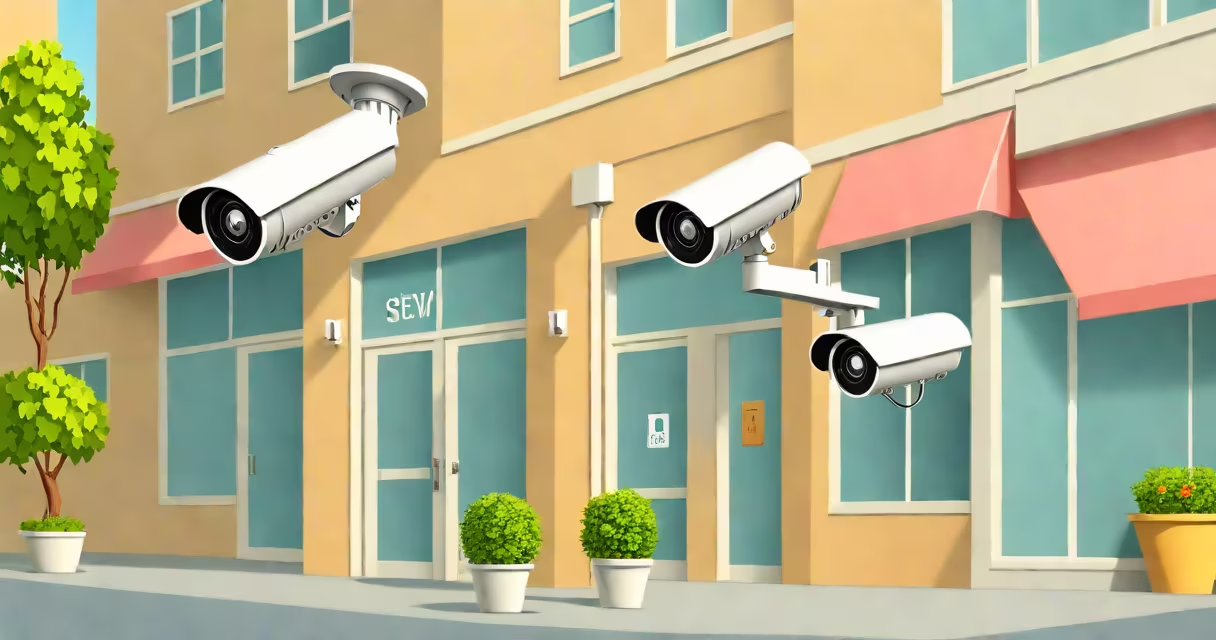
The best cctv system for small business combines affordable hardware, easy installation, and reliable recording-delivering clear video evidence and deterrence without complex setup. These systems prioritize simplicity, scalability, and integration with mobile apps for remote access.
Small businesses face unique risks: theft, employee misconduct, vandalism, and liability incidents. A well-chosen cctv system reduces losses and supports accountability. Unlike enterprise-grade setups, the best systems for small operations avoid over-engineering while maintaining core functionality.
According to the National Retail Federation, 60% of retailers reported shrinkage due to internal theft. A visible, functioning cctv system cuts that risk by up to 40%, per a 2022 study by the University of North Carolina's Center for Public Safety. The right system doesn't just record-it prevents problems before they escalate.
Most modern cctv systems for small business use IP cameras connected via Wi-Fi or Ethernet to a network video recorder (NVR). The NVR stores footage locally and allows remote viewing through a smartphone app or web browser.
Cameras capture video in HD or 1080p resolution. They send data to the NVR, which compresses and saves it using H.264 or H.265 codecs. This reduces storage needs. Footage can be accessed live or reviewed later via timestamps and motion detection alerts.
Advanced models include night vision (infrared LEDs), weather resistance for outdoor use, and two-way audio. Some offer AI-powered analytics-like detecting loitering or counting people entering a store-but these features increase cost and complexity.
Systems fall into two categories: wired and wireless. Wired systems use cables for power and data, offering stable performance and higher bandwidth. Wireless systems rely on batteries or plug-in power and transmit video wirelessly-easier to install but prone to interference.
For small businesses, wireless IP cameras with cloud storage are most common. They require no technical expertise to set up. Plug in the camera, connect to Wi-Fi, and start streaming within minutes.
| Type | Installation | Best For | Typical Cost |
|---|---|---|---|
| Wireless IP Camera System | Easy (plug-and-play) | Retail stores, cafes, offices | $150-$400 |
| Wired NVR System | Moderate (cable runs needed) | High-traffic areas, long-term use | $300-$800 |
| Hybrid (wired cameras, wireless NVR) | Flexible | Businesses expanding over time | $400-$1,000 |
One non-obvious fact: many "wireless" systems still require power cables. True battery-only cameras exist but drain quickly-typically lasting 3-6 months between charges. For continuous monitoring, hardwired or AC-powered units are more reliable.
Small businesses deploy cctv systems in high-risk zones: entrances, cash registers, storage rooms, and parking lots. A café owner in Portland installed four wireless cameras covering the front door, kitchen exit, and back alley. After a $2,000 theft attempt, footage identified the suspect and led to a police arrest.
Security isn't the only benefit. Some systems integrate with access control or alarm systems. Others support time-lapse recording for inventory checks. A boutique in Austin uses its cctv feed to monitor staff during peak hours, improving customer service response times.
Local laws vary. In California, businesses must post signs stating "video surveillance in progress." Failure to do so can invalidate evidence in court. The Federal Trade Commission warns against using cctv to spy on employees without notice or consent.
Many assume "more cameras = better security." That's false. Over-camouflaging a space creates blind spots and overwhelms users. A single high-quality camera at the main entrance often outperforms five low-res ones scattered around.
Another mistake: choosing systems based on price alone. A $50 kit may lack night vision or motion alerts. One user in Denver bought a cheap system that failed during a storm-rain damaged the camera housing and corrupted the SD card. The footage was lost.
True value lies in reliability, not just upfront cost. The best cctv system for small business includes at least 1080p resolution, 30-day local storage, and mobile alerts. Look for brands like Reolink, Arlo, and Ring-each offers tested durability and customer support.
A 24-hour coffee shop in Seattle faced recurring incidents of customers leaving behind wallets and phones. Management installed a Reolink Argus 3 Pro system: two indoor/outdoor cameras with 1080p resolution, infrared night vision, and 24/7 cloud recording.
Within two weeks, a customer returned a dropped phone after seeing their name on the video. The shop owner received a thank-you note and a donation. The system also caught a minor altercation between two patrons, which was resolved peacefully after staff reviewed the clip.
Cost: $299 for the full system. Storage: 30 days of cloud footage (paid monthly). Remote access: available via iOS and Android apps. The shop owner said, "I didn't expect it to prevent theft, but it did-just by being there."
When selecting the best cctv system for small business, prioritize clarity, accessibility, and compliance. Avoid systems with unclear privacy policies or those that don't allow manual deletion of recordings. Always test the system under low light and during peak traffic.
For long-term growth, explore systems that scale. A business planning to open a second location might start with a modular system that adds cameras later. Small business stocks like ADT and Verkada offer integrated solutions tailored to growing enterprises.
Choose a system that fits your space, budget, and legal obligations. The best cctv system for small business isn't the most expensive-it's the one that works consistently, reliably, and without hassle.