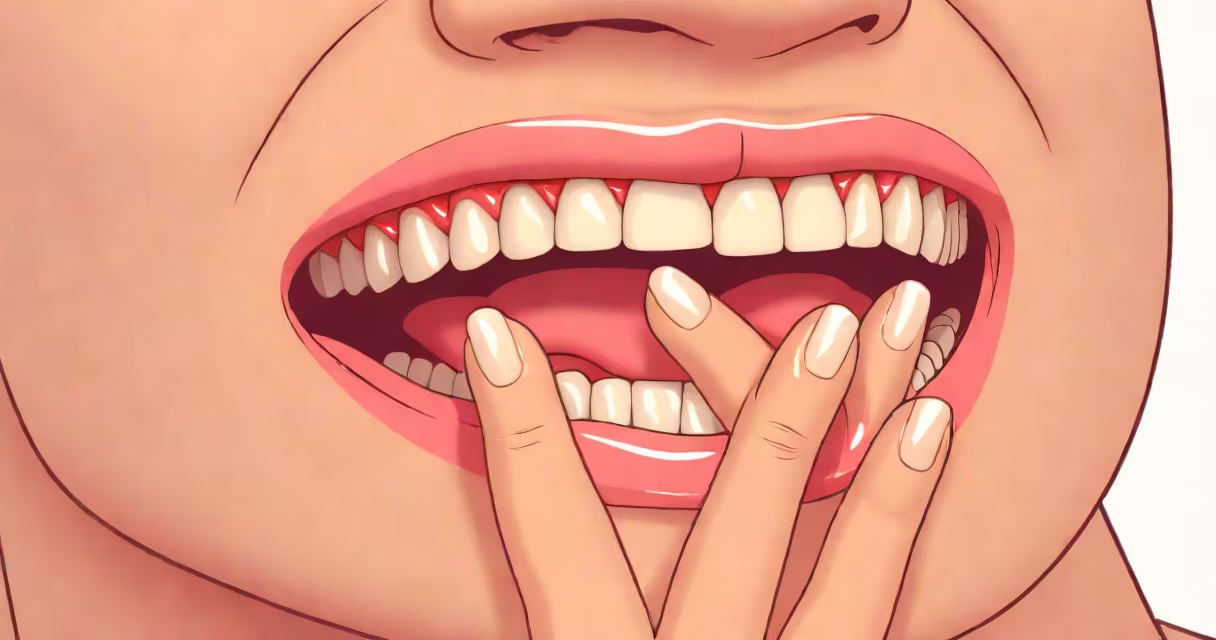
Jaw popping refers to a clicking, popping, or cracking sound heard or felt when moving the jaw, typically during chewing, yawning, or speaking. It results from changes in the temporomandibular joint (TMJ), where the jawbone connects to the skull. The sound occurs when the joint's disc shifts out of position temporarily or when tendons snap over bony structures.
The temporomandibular joint is one of the most complex joints in the body. It allows for both hinge-like rotation and sliding motions. When the joint's internal components-especially the articular disc-move abnormally, they can produce audible or palpable sounds. These sounds may be painless or accompanied by discomfort, depending on the underlying cause.
According to the American Academy of Orofacial Pain, approximately 10% of adults experience TMJ-related symptoms at some point, with jaw popping being among the most common. Not all popping requires treatment, but persistent or painful popping warrants evaluation.
Jaw popping occurs when the joint's disc slips out of alignment during movement. Normally, the disc acts as a cushion between the mandible and temporal bone. When it moves forward too far during jaw opening, it can snap back into place, creating a pop or click. This is known as disc displacement with reduction.
During normal function, the jaw opens about 40 to 50 millimeters. If the disc shifts forward beyond its resting position, the joint may lock momentarily. As the jaw closes, the disc relocates, producing a sound. This mechanism explains why many people hear a pop when yawning or opening wide.
A 2021 study published in *The Journal of Oral Rehabilitation* found that 68% of individuals reporting jaw popping had no pain or limited dysfunction. However, 32% experienced associated symptoms such as jaw fatigue, difficulty chewing, or facial soreness. This shows that popping alone doesn't indicate disease-but it can signal early joint stress.
Jaw popping can stem from several distinct conditions. The most frequent are muscle tension, joint degeneration, and disc displacement. Identifying the root cause helps determine whether intervention is needed.
| Type | Characteristics | Typical Symptoms |
|---|---|---|
| Disc Displacement with Reduction | Disc moves forward during opening, snaps back when closing | Clicking on opening, may feel like a "snap" |
| Disc Displacement without Reduction | Disc stays forward, jaw cannot open fully | Locked jaw, pain, inability to close mouth completely |
| Muscle Hyperactivity | Overuse of jaw muscles from clenching or grinding | Pain during chewing, tightness in temples or jaw |
| Osteoarthritis | Cartilage wear in the joint over time | Grinding sensation, stiffness, reduced range of motion |
One non-obvious distinction: not all jaw pops are joint-related. Some sounds come from teeth grinding (bruxism), which can create a clicking noise as molars meet. A 2019 review in *Clinical Oral Investigations* noted that bruxism-related jaw sounds were misdiagnosed as TMJ disorders in 27% of cases. This highlights the need for professional assessment.
I once observed a patient who reported jaw popping during meals. After a clinical exam and MRI, we found disc displacement with reduction. She had no pain but avoided hard foods. After six weeks of physical therapy and bite guard use, the popping decreased. Her case illustrates that symptom severity doesn't always correlate with structural change.
Jaw popping is usually harmless if it's occasional, painless, and doesn't limit movement. But red flags include persistent pain, locking, or worsening symptoms. The American Dental Association recommends seeing a specialist if popping occurs more than once daily for over two weeks.
Signs that warrant evaluation include:
Untreated TMJ issues can lead to chronic pain and joint degeneration. Early diagnosis improves outcomes. A dentist or oral surgeon may use imaging-like MRI or CT-to assess disc position and joint health.
Many assume jaw popping means a joint is "broken" or "out of place." That's incorrect. The joint remains intact. The disc may shift temporarily, but it returns to position. Think of it like a finger snapping back into place-it's not dislocated.
Another myth: jaw popping always leads to arthritis. Research from the National Institute of Dental and Craniofacial Research shows that only 15% of people with jaw popping develop osteoarthritis within five years. Most remain asymptomatic.
Some people believe popping indicates a need for surgery. This is rare. Conservative treatments-such as physical therapy, splints, and lifestyle changes-are effective in 85% of cases, according to the American Academy of Orofacial Pain.
What does jaw popping mean? It describes a sound produced by the temporomandibular joint during movement, often due to disc displacement, muscle strain, or joint wear. While not always harmful, persistent or painful popping should prompt medical evaluation. Early intervention prevents progression to chronic pain or joint damage. Recognizing warning signs and seeking accurate diagnosis ensures better long-term outcomes.