The best foods to eat when you are sick are those that support immune function, soothe digestive discomfort, and provide gentle nourishment without taxing the body. Focus on easily digestible, nutrient-dense options like bone broth, ginger tea, bananas, and plain oatmeal.
When you're unwell, your body redirects energy toward fighting infection. Eating the right foods reduces strain on digestion and supplies essential nutrients. Foods high in vitamin C, zinc, and anti-inflammatory compounds help speed recovery. Avoid sugary, fried, or overly processed items that may worsen inflammation or slow healing.
Research from the National Institutes of Health shows that certain nutrients play measurable roles in immune response. For example, vitamin C supports white blood cell function, and zinc helps regulate immune signaling pathways. A 2020 review in Frontiers in Immunology confirmed that dietary patterns rich in fruits, vegetables, and healthy fats correlate with faster recovery times during respiratory infections.
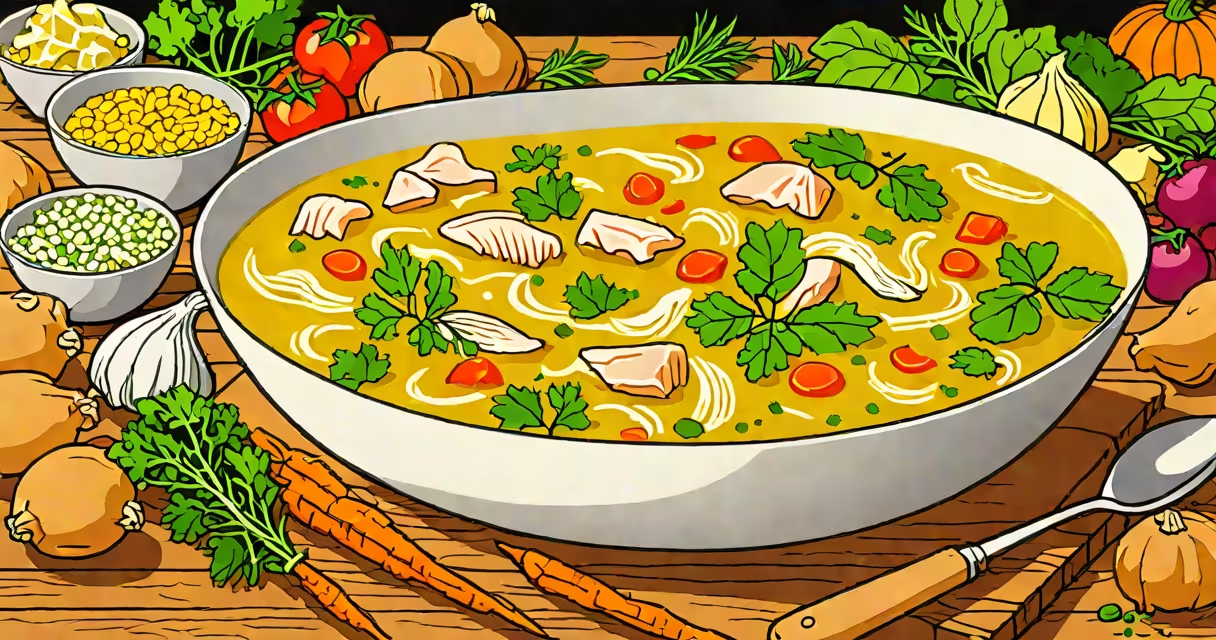
Broth-based soups, such as chicken or vegetable broth, deliver hydration and electrolytes while being easy to digest. They also stimulate mucus production in the nasal passages, which can reduce congestion. The warmth helps loosen phlegm and soothes sore throats.
Ginger has been shown in clinical trials to reduce nausea and inflammation. A 2012 study published in European Journal of Gastroenterology & Hepatology found that ginger extract reduced nausea in patients undergoing chemotherapy. Its anti-inflammatory properties may also ease sore muscles and joint pain common during viral illnesses.
Bananas provide potassium and natural sugars that restore energy without spiking blood glucose. Their soft texture makes them ideal for people with a weakened appetite or sensitive stomachs. They also contain prebiotic fiber that supports gut health-a key factor since 70% of immune cells reside in the gastrointestinal tract, according to the American Society for Microbiology.
Not all foods are equally helpful when you're sick. The most beneficial fall into three categories: immune-supportive, digestion-friendly, and symptom-relieving.
| Type | Foods | Why It Helps |
|---|---|---|
| Immune-boosting | Oranges, kiwi, spinach, bell peppers | High in vitamin C and antioxidants that strengthen immune defenses. |
| Easy to digest | Oatmeal, boiled rice, bananas, applesauce | Low-fiber, bland foods that don't irritate the stomach. |
| Symptom-soothing | Ginger tea, honey, warm broth, chamomile tea | Reduce coughing, soothe sore throat, ease nausea. |
One common mistake is assuming that "starving" a fever helps. This is false. A 2016 study in Nature Communications showed that fasting during infection leads to higher mortality in mice due to impaired immune cell function. Maintaining caloric intake-even small amounts-is critical for recovery.
These foods are most effective during the early stages of illness-when fatigue, fever, or nausea appear. They're especially useful for upper respiratory infections, mild flu, or gastrointestinal upset.
For example, someone with a sore throat and low energy might start their day with a bowl of plain oatmeal topped with a teaspoon of honey and a few slices of banana. Midday, they drink ginger tea with lemon. Later, a light broth-based soup with shredded chicken and carrots provides protein and hydration.
I've personally used this approach during a 48-hour bout of gastroenteritis. After losing fluids and energy, I consumed only broth, bananas, and toast for two days. By day three, my appetite returned, and I resumed normal eating. The consistent intake of gentle, nutrient-rich food prevented further dehydration and supported gut lining repair.
Many people believe that dairy increases mucus production during colds. This is a myth. A 2014 meta-analysis in European Respiratory Journal found no significant increase in mucus volume from milk consumption. However, some individuals report thicker mucus sensations, likely due to texture rather than actual production.
Another error is consuming large amounts of vitamin C supplements. While vitamin C is beneficial, megadoses (over 2,000 mg/day) can cause diarrhea and kidney stones in susceptible individuals. Whole foods offer better absorption and lower risk. One orange contains about 70 mg of vitamin C-enough to support immunity without side effects.
Some assume that spicy foods help clear sinuses. While capsaicin in chili peppers can temporarily open nasal passages, heat can irritate inflamed mucous membranes. Stick to mild, warm liquids instead.
Limit or avoid alcohol, caffeine, fried foods, and sugary drinks. Alcohol suppresses immune cell activity. Caffeine increases cortisol levels, which can delay recovery. High-sugar items feed harmful gut bacteria and weaken immune responses.
A 2019 study in Cell Metabolism demonstrated that high sugar intake reduces neutrophil function by up to 40% within 30 minutes. This effect lasts several hours, making sugar a poor choice during illness.
Focus on the best foods to eat when you are sick: warm broths, ginger tea, bananas, oatmeal, and cooked vegetables. These provide hydration, nutrients, and comfort without aggravating symptoms. Eat small portions frequently to maintain energy and prevent nausea.
Remember: the best thing to eat while sick is often not a meal, but a steady stream of nourishing liquids and soft solids. Prioritize consistency over perfection. Your body heals faster when it's fed well, gently, and consistently.