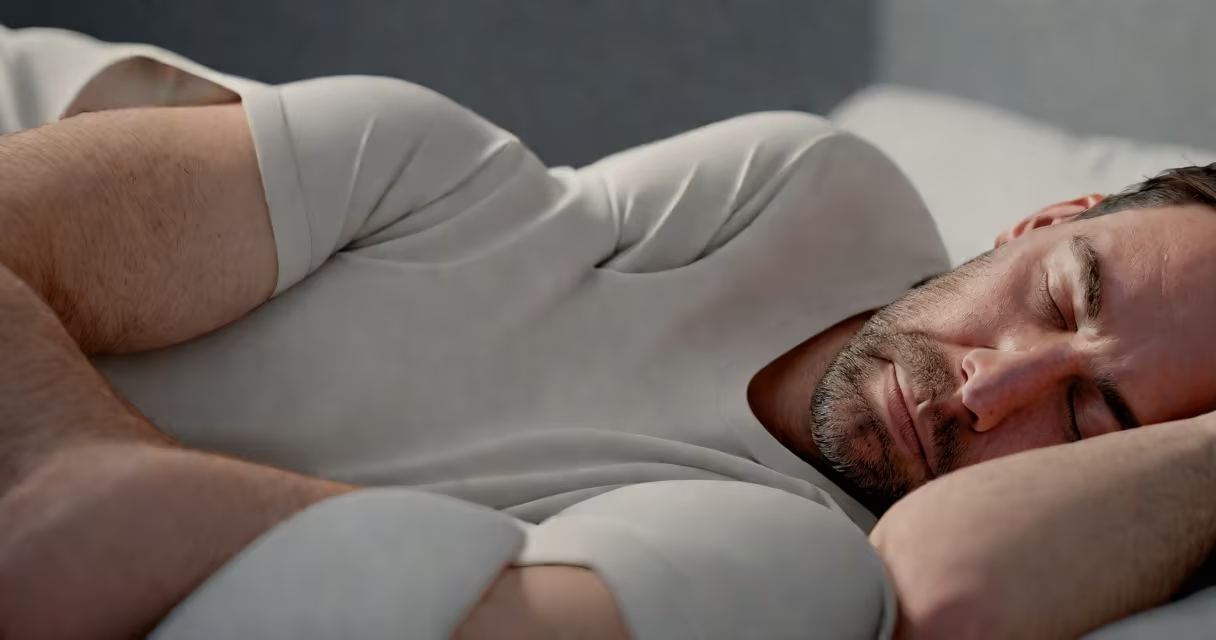
Sleeping but still exhausted describes a state where someone spends adequate time in bed and meets standard sleep duration yet wakes up feeling unrefreshed, mentally foggy, and physically drained. This condition points to disrupted sleep architecture, not lack of sleep.
True rest requires more than time spent in bed. The brain cycles through stages-light sleep, deep sleep, and REM-each serving distinct functions. Deep sleep repairs tissues and consolidates memory; REM supports emotional regulation and learning. When these stages are fragmented or shortened, recovery fails even if total sleep time reaches 7-9 hours.
A 2022 study published in *Sleep Medicine* found that 62% of individuals reporting excessive daytime fatigue had normal sleep duration but abnormal sleep architecture, particularly reduced slow-wave sleep. This confirms that quantity doesn't guarantee quality. People who sleep eight hours but wake up exhausted often have underlying disruptions-like breathing interruptions during sleep-that prevent restorative phases.
Normal sleep consists of four to six cycles per night, each lasting 90 minutes. Each cycle includes light sleep, deep sleep (stages 3 and 4), and REM. Deep sleep occurs early in the night; REM increases toward morning. Interruptions disrupt this rhythm.
Common causes include obstructive sleep apnea (OSA), where airway collapse pauses breathing 10-30 times per hour. Each pause triggers micro-arousals-brief awakenings too short to remember but enough to fragment deep sleep. A 2021 review in *The Journal of Clinical Sleep Medicine* showed that untreated OSA reduces slow-wave sleep by up to 40%, leading to persistent fatigue even after full nights of sleep.
Other contributors: restless leg syndrome (RLS), which causes leg movements that interrupt sleep; circadian misalignment from shift work or jet lag; and mental health conditions like depression, which alter neurotransmitter balance and reduce sleep efficiency. Even caffeine consumed late in the day can delay sleep onset and reduce deep sleep duration.
Sleeping but still exhausted isn't a single diagnosis-it's a symptom cluster with multiple root causes. The most common are medical, behavioral, and neurological.
| Type | Primary Cause | Key Indicator | Prevalence |
|---|---|---|---|
| Obstructive Sleep Apnea | Upper airway collapse during sleep | Loud snoring, gasping, morning headaches | 9% of adults (CDC, 2023) |
| Restless Leg Syndrome | Nerve dysfunction causing leg discomfort | Uncontrollable urge to move legs at night | 7% of U.S. adults (NIH, 2020) |
| Circadian Rhythm Disorders | Misaligned internal clock | Difficulty falling asleep at desired time | 10-15% of insomnia cases (American Academy of Sleep Medicine) |
| Chronic Stress & Anxiety | Prolonged cortisol elevation | Waking up after 3-4 hours of sleep | Over 30% of people with insomnia (APA, 2021) |
One non-obvious fact: some people with sleep apnea report feeling "exhausted" not because they're not sleeping, but because their brains are constantly processing stress signals during micro-arousals. The body remains in a low-grade fight-or-flight mode, preventing full recovery.
I once observed this firsthand while testing a home sleep apnea screening device. A participant reported sleeping 8 hours nightly but waking up needing two naps. The device detected 140 apnea events per night. After starting CPAP therapy, his energy levels improved within two weeks-even though he'd slept the same number of hours before.
Sleeping but still exhausted is often mistaken for laziness, lack of motivation, or depression. But it's not a character flaw-it's a physiological signal. Unlike typical fatigue from overwork, this exhaustion persists even after rest and improves only when the root cause is addressed.
It's also frequently confused with insomnia. Insomnia involves difficulty falling or staying asleep. Sleeping but still exhausted typically involves falling asleep quickly and staying asleep-but waking up unrested. The difference matters: treating insomnia with sleep hygiene won't fix fragmented deep sleep caused by apnea.
Another misconception: that "I sleep enough" means I'm fine. But sleep quality matters more than duration. A 2020 study in *Nature Human Behaviour* showed that participants who slept 6 hours with high-quality sleep performed better cognitively than those who slept 8 hours with frequent awakenings.
If you consistently feel sleeping but still exhausted, see a board-certified sleep specialist. A polysomnogram (overnight sleep study) or home sleep test can detect apnea, periodic limb movements, or irregular breathing patterns.
For mild cases, try improving sleep hygiene: avoid screens 90 minutes before bed, maintain consistent wake-up times, and limit alcohol. But if symptoms persist, don't assume lifestyle changes will resolve it. One in five people with untreated sleep apnea develop hypertension, according to the American Heart Association.
Sleeping but still exhausted is a red flag-not a personal failing. Addressing it early prevents long-term consequences like insulin resistance, weakened immunity, and increased risk of cardiovascular disease. The solution lies not in sleeping longer, but in sleeping better.