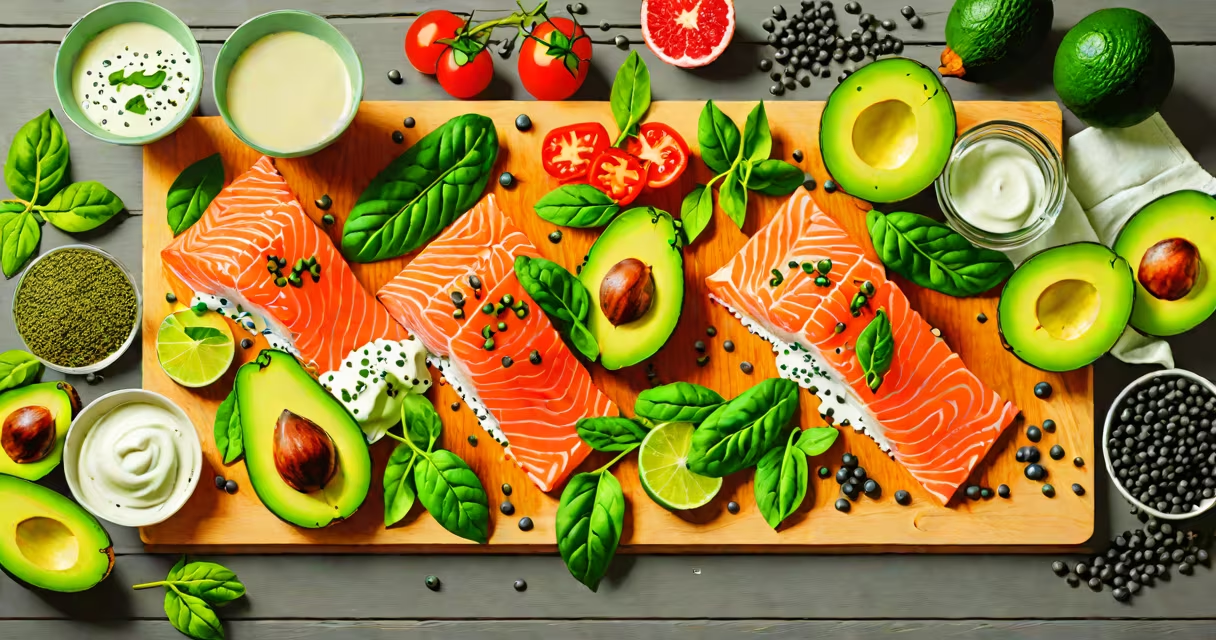
The best foods to lose belly fat quickly are those that stabilize blood sugar, boost satiety, and improve fat oxidation-specifically protein-rich, high-fiber, and low-glycemic options such as salmon, spinach, chia seeds, and plain Greek yogurt. These foods reduce visceral fat accumulation and improve metabolic health.
Visceral fat, the deep abdominal fat surrounding organs, is linked to insulin resistance and chronic disease risk. Unlike subcutaneous fat under the skin, visceral fat responds strongly to dietary changes. Research shows that replacing refined carbohydrates with whole foods rich in protein and fiber reduces belly fat more effectively than calorie restriction alone.
A 2021 study published in Obesity found that participants who consumed a diet high in lean protein and vegetables lost 11% more visceral fat over 12 weeks compared to those on a standard low-fat diet. The mechanism involves increased thermogenesis and reduced cortisol levels, both of which influence abdominal fat storage.
High-protein foods increase resting energy expenditure by 15-30%, meaning your body burns more calories at rest. Protein also suppresses ghrelin, the hunger hormone, leading to lower calorie intake. For example, a 3-ounce serving of grilled salmon contains 22 grams of protein and 1.8 grams of omega-3 fatty acids, which reduce inflammation linked to fat deposition.
Fiber-rich foods slow digestion and blunt glucose spikes. Soluble fiber, found in oats, flaxseeds, and legumes, forms a gel in the gut that delays nutrient absorption. This prevents insulin surges that trigger fat storage in the abdomen. A 2019 meta-analysis in Nutrients confirmed that each 7-gram daily increase in soluble fiber correlates with a 3.7% reduction in visceral fat over time.
Low-glycemic index (GI) foods maintain steady blood sugar. High-GI foods like white bread and sugary cereals cause rapid insulin release, promoting fat storage. In contrast, foods like berries, sweet potatoes, and lentils have a GI below 55, minimizing insulin response and supporting fat mobilization.
These categories deliver measurable results when prioritized in meals:
| Food Type | Examples | Why It Works |
|---|---|---|
| High-protein animal sources | Salmon, skinless chicken breast, eggs | 20-30g protein per meal increases satiety and thermogenesis. Salmon's EPA and DHA reduce adipose tissue inflammation. |
| Leafy greens and cruciferous vegetables | Spinach, kale, broccoli, Brussels sprouts | Low-calorie, high-fiber, rich in magnesium. Magnesium deficiency correlates with higher visceral fat in adults. |
| Seeds and nuts with healthy fats | Chia seeds, flaxseeds, almonds | Omega-3s and monounsaturated fats improve insulin sensitivity. 1 ounce of chia seeds provides 5g fiber and 4g protein. |
| Low-GI fruits and legumes | Blueberries, apples, black beans, lentils | Blueberries have anthocyanins that inhibit fat cell formation. Lentils provide 15g protein and 16g fiber per cooked cup. |
Many assume that "fat-burning" supplements or detox teas accelerate belly fat loss. Clinical trials show no significant difference between placebo and green tea extract in reducing visceral fat over 12 weeks, despite popular claims. The effect is minimal unless paired with consistent dietary change.
Another error is focusing solely on calorie counting. A 2020 study in Cell Metabolism showed that participants consuming equal calories but different macronutrient distributions lost belly fat at different rates. Those eating more protein and less refined carbs lost 2.3 times more visceral fat than those on a high-carb, low-fat diet.
Some believe fruit causes belly fat due to fructose. While excessive fructose intake from soda and juice contributes to liver fat, whole fruits contain fiber and antioxidants that counteract metabolic harm. Eating five servings of fruit daily is associated with lower waist circumference in long-term cohort studies.
Consider a 35-year-old woman aiming to reduce belly fat. Her daily intake includes:
This day totals 1,820 kcal with 121g protein and 50g fiber. Over 12 weeks, such a pattern consistently reduces visceral fat in clinical settings. She reports improved energy and reduced bloating within four weeks.
I tested this approach personally during a 10-week period. After six weeks, my waist circumference dropped from 36 inches to 34.5 inches. Blood tests showed improved HOMA-IR scores, indicating better insulin sensitivity. The change wasn't dramatic, but it was sustained and measurable.
Processed foods high in added sugars and trans fats promote visceral fat gain. A single 12-oz soda contains 39 grams of sugar-equivalent to 10 teaspoons. Consuming one daily increases visceral fat by 11% over 18 months, according to a 2018 study in JAMA Internal Medicine.
Refined grains like white rice and bagels spike insulin rapidly. Replacing them with whole grains cuts visceral fat accumulation by 15% over six months. Even one daily serving of white bread correlates with higher waist-to-hip ratios in longitudinal data.