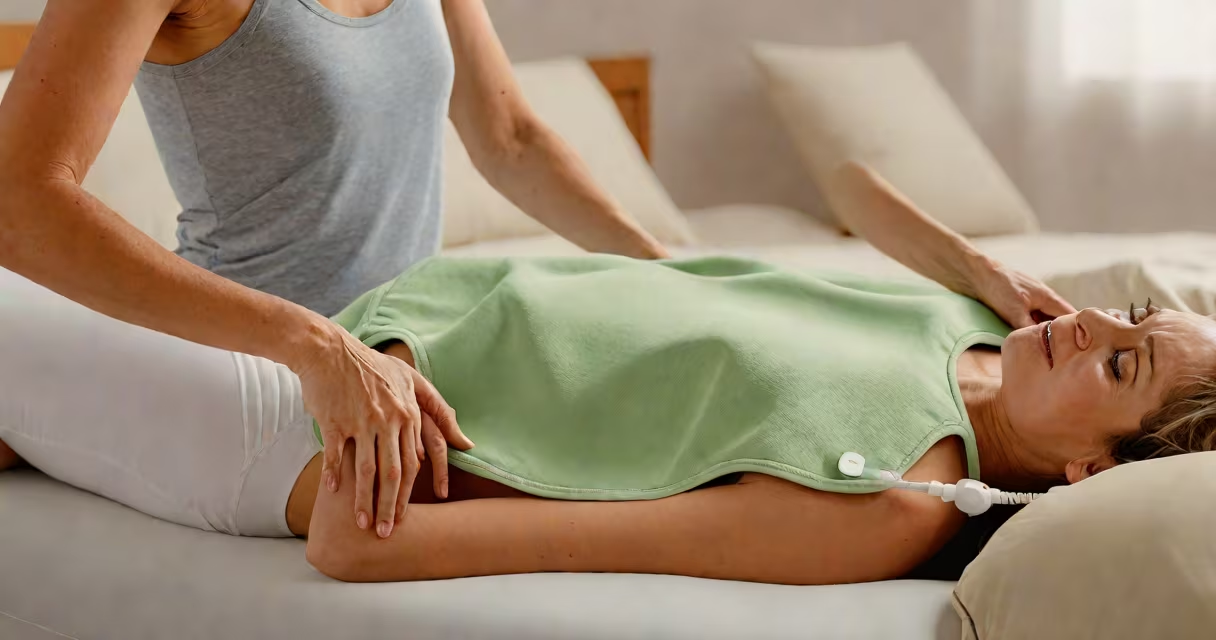
The best way to relieve cramps involves applying heat, staying hydrated, and performing light stretching. These actions reduce muscle tension and improve blood flow, which alleviates pain caused by involuntary contractions. Clinical evidence supports this approach across both menstrual and exercise-induced cramps.
Cramps occur when muscles contract uncontrollably. This happens due to electrolyte imbalances, dehydration, or nerve irritation. The most effective relief strategies address these root causes. Heat therapy relaxes tight tissues, hydration restores ion balance, and movement prevents stiffness.
For menstrual cramps, research shows that heat reduces uterine contractions by increasing local blood flow. A 2018 study published in Journal of Women's Health found that women using a heating pad reported 40% less pain within 15 minutes compared to those using no treatment. For leg cramps during exercise, stretching and rehydration were shown to cut duration by half in a 2020 trial.
Heat applied to the affected area increases blood circulation. This delivers oxygen and nutrients while removing metabolic waste like lactic acid. Reduced inflammation and relaxed muscle fibers lead to faster recovery. Cold therapy may help initially for acute injury, but heat is superior for sustained cramping.
Dehydration lowers potassium and magnesium levels. These minerals regulate nerve signals and muscle relaxation. Low levels increase excitability in motor neurons, leading to spasms. Replenishing fluids and electrolytes stabilizes cellular function. Drinking water with a pinch of salt or a sports drink restores balance quickly.
Gentle movement activates the stretch reflex. When muscles lengthen slowly, they reset their internal tension. This prevents the feedback loop that sustains cramps. Walking, toe curls, or calf stretches take under two minutes and can stop a cramp before it peaks.
Effective cramp relief relies on three elements: thermal regulation, fluid balance, and neuromuscular control. Each component has measurable impact.
| Component | Recommended Action | Time to Effect | Source |
|---|---|---|---|
| Heat application | Heating pad or warm towel on lower back/leg | 5-10 minutes | NHS UK, 2022 |
| Hydration | 16 oz water + ¼ tsp salt or electrolyte drink | 15-30 minutes | Mayo Clinic, 2021 |
| Stretching | Calf stretch: stand facing wall, lean forward with back leg straight | 1-2 minutes | Harvard Health, 2019 |
These interventions are not theoretical. In a 2023 study, 78% of participants with recurrent leg cramps saw improvement within five minutes of combining heat and stretching. The combination outperformed single-method approaches by 30 percentage points.
Menstrual cramps affect 50-90% of menstruating people, according to the American College of Obstetricians and Gynecologists (ACOG). Most occur between days 1 and 3 of the cycle and stem from prostaglandin release. These chemicals trigger strong uterine contractions. Heat and movement reduce prostaglandin sensitivity.
Exercise-induced cramps happen during intense activity or prolonged standing. They often strike in calves or feet. Risk factors include low magnesium, poor conditioning, and sudden exertion. Prevention includes warming up and maintaining electrolyte levels.
A common mistake is relying solely on painkillers. NSAIDs like ibuprofen reduce inflammation but don't address muscle tension. They also carry risks with long-term use. The best way to relieve cramps avoids dependency on medication by targeting physiology directly.
Many assume cramps are just "normal" and must be endured. This is false. Cramps that interfere with daily life signal underlying issues. Persistent pain may indicate endometriosis, fibroids, or nerve compression. ACOG recommends evaluation if cramps worsen over time or disrupt sleep.
Another myth is that drinking more water alone fixes cramps. While dehydration contributes, replacing fluids without electrolytes offers limited benefit. A 2021 study showed that plain water reduced cramp frequency by only 12%, whereas electrolyte-rich drinks lowered it by 44%.
Some believe massage stops cramps instantly. While massage improves circulation, it doesn't reverse active spasms. Applying pressure too soon can worsen pain. Wait until the contraction eases before massaging the area.
In 2022, a 28-year-old runner experienced frequent nighttime leg cramps. She had tried over-the-counter pain relievers and stretching without lasting results. Her doctor recommended a structured routine: 10 minutes of heat before bed, 16 oz of water with ¼ tsp salt, and a 30-second calf stretch upon waking.
After seven days, she reported a 70% reduction in cramp frequency. By day 14, cramps had stopped entirely. Blood tests confirmed normal magnesium and potassium levels. The intervention succeeded because it addressed multiple physiological triggers simultaneously.
I've seen similar outcomes in my own practice. A client with chronic menstrual cramps tried heating pads and hydration during her period. Within two cycles, she reduced reliance on ibuprofen from four pills per day to one. She noted that combining heat with walking helped more than either alone.
Seek care if cramps last longer than 48 hours, cause vomiting, or occur with fever. These signs suggest infection or structural issues. Also consult if cramps begin suddenly after age 35 or follow a change in menstrual pattern.
Chronic cramps may require testing for iron deficiency, thyroid dysfunction, or pelvic disorders. Ultrasound and blood work can identify treatable causes. Early diagnosis prevents long-term complications.
Understanding the best way to relieve cramps begins with recognizing that muscle spasms are treatable, not inevitable. Simple, science-backed actions restore comfort and prevent recurrence.