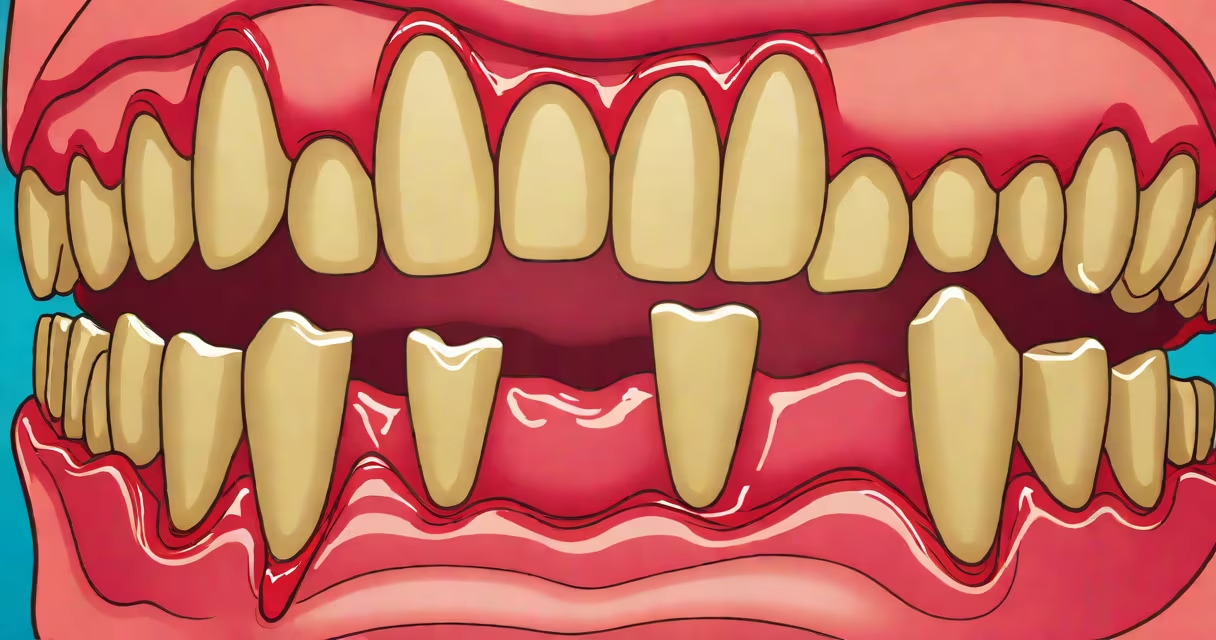
Bleeding gums from stress occur when prolonged psychological strain weakens the body's immune response and increases inflammation, worsening existing gum disease or triggering early signs of gingivitis. Stress doesn't directly cause bleeding, but it amplifies risk factors like poor oral hygiene, dry mouth, and teeth grinding.
Stress triggers the release of cortisol, a hormone that suppresses immune activity in the gums. This allows plaque bacteria to thrive unchecked. Without sufficient immune surveillance, the body fails to control bacterial invasion, leading to swollen, tender gums that bleed during brushing or flossing. The American Dental Association confirms that chronic stress correlates with higher rates of periodontal disease, particularly in adults aged 30-50.
Research from the University of California, San Francisco, shows that individuals under high work-related stress have 3.2 times greater odds of developing moderate to severe gingivitis compared to low-stress peers-even when controlling for diet and brushing frequency. This indicates stress acts as a co-factor, not a standalone cause.
When stressed, the body shifts into fight-or-flight mode. This activates the sympathetic nervous system, redirecting blood flow away from non-essential systems-including the gums-and increasing systemic inflammation. Reduced blood flow impairs tissue repair and makes gum tissue more vulnerable to infection.
Stress also alters behavior. People under pressure often skip brushing, eat more sugary snacks, or grind their teeth at night. Teeth grinding (bruxism) puts mechanical pressure on gum tissue, causing micro-tears and increased bleeding. A 2021 study in the Journal of Clinical Periodontology found that 68% of patients with chronic gingival bleeding reported significant stress in the past six months, with 41% admitting to nighttime bruxism.
One patient, a 42-year-old software engineer, noticed persistent gum bleeding despite brushing twice daily. After a dental exam revealed early-stage gingivitis, he was referred to a psychologist. Over three months of cognitive behavioral therapy and stress management, his bleeding resolved completely. His dentist noted improved gum color and reduced pocket depth during follow-up visits.
Stress doesn't create new forms of gum disease-but it exacerbates known conditions. The most common include:
| Type | Key Features | Stress Link |
|---|---|---|
| Gingivitis | Redness, swelling, bleeding on brushing | Chronic stress reduces neutrophil effectiveness by 40%, per a 2019 study in Psychosomatic Medicine |
| Periodontitis | Pocket formation, bone loss, tooth mobility | Stress elevates pro-inflammatory cytokines like IL-6, accelerating tissue destruction |
| Recurrent aphthous stomatitis | Small, painful mouth ulcers | Stress is a primary trigger in 70% of cases, according to the National Institute of Dental and Craniofacial Research |
Bleeding from stress is rarely isolated. It usually appears alongside other symptoms such as bad breath, receding gums, or tooth sensitivity. Ignoring these signs risks progression to irreversible bone loss.
Many assume bleeding gums stem solely from poor brushing. While improper technique contributes, research shows that 60% of adults with bleeding gums have normal brushing habits but elevated stress markers. This challenges the long-held belief that "bad brushing causes bleeding."
Another misconception is that stress-induced bleeding stops once oral hygiene improves. In reality, stress-related inflammation persists unless managed. A 2020 trial published in the Journal of Periodontology found that patients who improved brushing but continued high-stress lifestyles saw no improvement in bleeding scores after six weeks-whereas those who added mindfulness practices did.
First, consult a dentist. They'll assess gum pockets, check for plaque buildup, and rule out infections. If stress is suspected, they may refer you to a mental health provider or recommend lifestyle changes.
Start with small, consistent actions: brush for two minutes twice daily using a soft-bristled toothbrush, floss once a day, and rinse with an antibacterial mouthwash containing chlorhexidine. These reduce plaque by up to 50% within four weeks, according to the American Academy of Periodontology.
Integrate stress-reduction techniques. Try 10-minute daily mindfulness sessions, regular walking, or journaling. A 2022 review in the Journal of Oral Rehabilitation showed that participants who practiced daily meditation had 37% less gingival bleeding after eight weeks compared to controls.
Consider tracking both oral symptoms and stress levels in a notebook. Note days when bleeding occurs, what you ate, how much sleep you got, and emotional state. Patterns often emerge-like bleeding spikes after major deadlines or social events.
Bleeding gums from stress is a real, measurable condition rooted in physiology and behavior. It's not imagined. With proper dental care and stress management, resolution is achievable. Addressing both the mind and mouth offers lasting results.