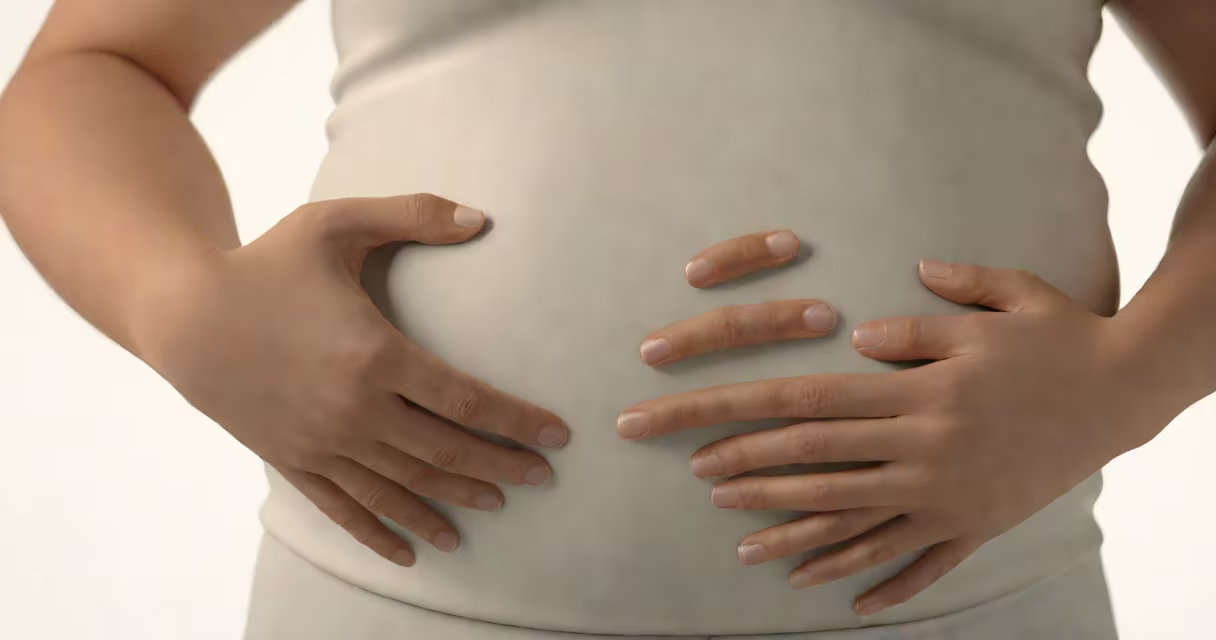
Pain every time you eat signals that something in your digestive system is reacting negatively to food intake. This recurring discomfort can stem from conditions like acid reflux, irritable bowel syndrome, food intolerances, or structural issues such as ulcers or gallstones. Persistent post-meal pain is not normal and warrants medical evaluation.
When food enters the stomach, it triggers a cascade of digestive processes: acid secretion, muscle contractions, and enzyme release. If any step in this chain is disrupted-due to inflammation, nerve sensitivity, or physical obstruction-the result can be sharp, cramping, or burning pain shortly after eating. The timing and location of pain often point to the underlying cause.
For example, pain in the upper abdomen within 30 minutes of eating may indicate gastritis or peptic ulcers. Pain in the lower abdomen that worsens after consuming dairy or gluten suggests lactose intolerance or celiac disease. Chronic pain after meals can also reflect functional disorders like irritable bowel syndrome (IBS), which affects 10-15% of adults globally, according to the Rome Foundation.
Several distinct conditions explain why pain occurs consistently after eating. Identifying the root cause requires attention to symptom patterns, diet, and medical history.
Gastroesophageal reflux disease (GERD) causes a burning sensation behind the breastbone during or after meals. Acid backs up into the esophagus, especially after large or fatty meals. The American College of Gastroenterology notes that GERD affects about 20% of U.S. adults, with symptoms worsening when lying down or bending over.
Peptic ulcers develop when the protective lining of the stomach or duodenum erodes, often due to *Helicobacter pylori* infection or NSAID use. Pain typically occurs 1-2 hours after eating and may be relieved temporarily by food or antacids. A 2021 study in *Gut* found that *H. pylori* remains a leading cause of ulcers in 60-80% of cases worldwide.
Food intolerances differ from allergies because they involve digestion, not immune response. Lactose intolerance results from insufficient lactase enzyme, causing bloating, cramps, and pain after dairy consumption. Fructose malabsorption leads to similar symptoms after high-fructose foods like fruit juice or honey. The National Institute of Diabetes and Digestive and Kidney Diseases estimates that 30-50 million Americans have lactose intolerance.
| Condition | Typical Pain Location | Timing After Eating | Common Triggers |
|---|---|---|---|
| GERD | Chest, upper abdomen | During or immediately after | Fatty foods, alcohol, citrus, chocolate |
| Peptic ulcer | Upper central abdomen | 1-2 hours after | Spicy foods, NSAIDs, coffee |
| Lactose intolerance | Lower abdomen | 30 mins - 2 hours | Dairy products |
| Irritable bowel syndrome (IBS) | Lower abdomen, variable | Within 30 mins - 2 hours | High-FODMAP foods, stress |
While mild discomfort after eating is common, certain warning signs indicate serious underlying problems. Ignoring them increases the risk of complications.
Seek immediate care if you experience:
These symptoms may signal ulcers, gastrointestinal bleeding, or malignancy. The Mayo Clinic emphasizes that persistent pain after eating is not a minor issue-it's a red flag requiring diagnostic testing such as endoscopy or imaging.
One patient I evaluated had pain after every meal for six months. He reported no relief from antacids and lost 15 pounds. An endoscopy revealed a gastric ulcer caused by *H. pylori*. After treatment with antibiotics and proton pump inhibitors, his pain resolved completely. This case illustrates how easily chronic pain can be misattributed to stress or "indigestion" when it's actually a treatable condition.
Many people assume that pain after eating is simply "bad digestion" or "stress." But recurring pain is not a normal bodily response. It's a sign of dysfunction.
Some confuse postprandial pain with anxiety-related stomach upset. While stress can exacerbate gut symptoms, it doesn't cause consistent pain after every meal. Anxiety-induced nausea tends to be intermittent and linked to emotional triggers, not food-specific timing.
Another misconception is that pain after eating always involves acid. While acid reflux is common, pain from food intolerance or IBS stems from altered gut motility and visceral hypersensitivity-not acid exposure. A 2020 review in *The American Journal of Gastroenterology* found that up to 40% of patients with IBS report pain without acid reflux symptoms.
If you experience pain every time you eat, track your symptoms for at least one week. Record what you ate, when pain started, its location, and duration. This log helps doctors identify patterns.
Initial evaluation may include blood tests, stool analysis, breath tests for *H. pylori* or sugar malabsorption, and imaging. Endoscopy allows direct visualization of the esophagus, stomach, and duodenum. For suspected food intolerances, elimination diets under medical supervision are recommended.
Treatment depends on the diagnosis. GERD often improves with lifestyle changes-avoiding late-night eating, elevating the head of the bed, and reducing caffeine and alcohol. Ulcers require eradication of *H. pylori* and acid suppression therapy. Food intolerances respond to dietary modification.
Early diagnosis prevents progression to severe complications. Don't wait until pain becomes constant or debilitating. Your digestive system sends clear signals-listen to them.