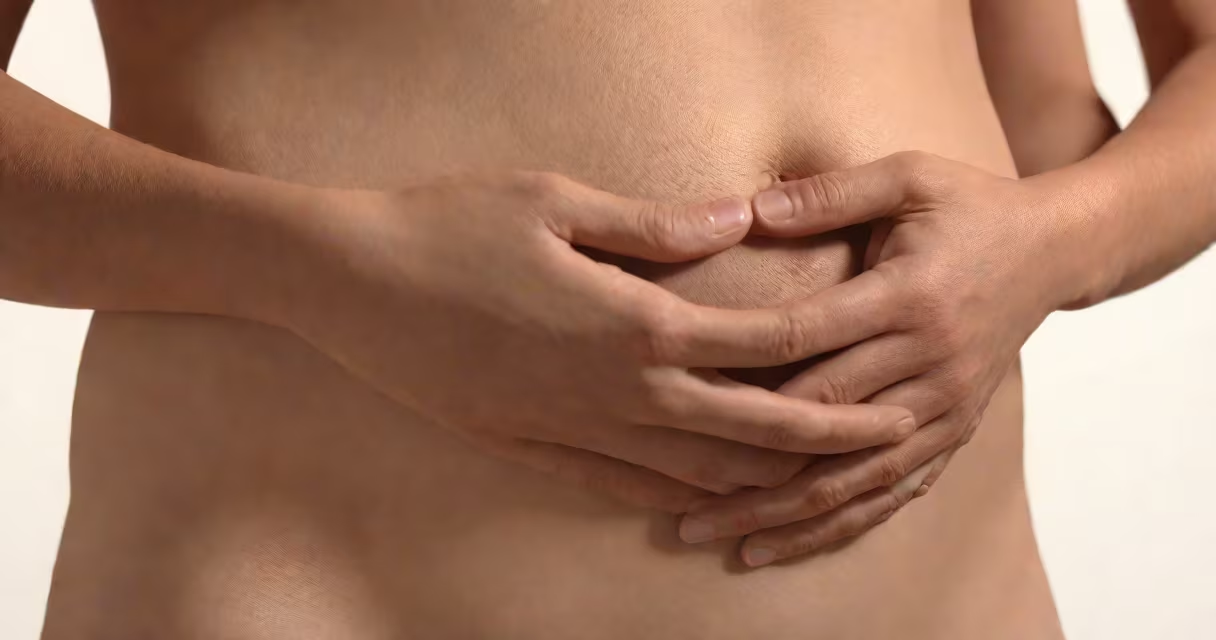
Bloating in tummy describes the uncomfortable feeling of pressure, tightness, or visible swelling in the abdominal area caused by trapped gas, fluid, or undigested food. It's a common symptom with many potential origins, ranging from dietary habits to underlying medical conditions.
The sensation typically arises when the gastrointestinal tract accumulates more gas than usual or when intestinal motility slows, allowing fermentation and pressure to build. This can result in visible distension, especially in the lower abdomen, and may be accompanied by rumbling, belching, or frequent flatulence.
While occasional bloating is normal-especially after large meals or carbonated drinks-it becomes concerning when it occurs regularly, disrupts daily life, or happens without clear triggers. Persistent bloating may signal a deeper issue requiring evaluation.
Bloating results from increased volume within the intestines. Gas forms during digestion when bacteria in the colon break down undigested carbohydrates. Air swallowed while eating, drinking, or talking can also contribute. Fluid retention in the gut or surrounding tissues further expands the abdominal space.
When the digestive system slows-due to stress, hormonal shifts, or certain medications-gas moves more slowly through the intestines. This delays release and increases pressure. The stomach may stretch, triggering nerve signals interpreted by the brain as fullness or discomfort.
A 2021 study published in *Gastroenterology & Hepatology* found that 78% of patients reporting bloating had altered gut microbiota profiles compared to healthy controls, suggesting microbial imbalance plays a measurable role in symptom development.
Bloating in tummy varies by root cause. Some sources are temporary and lifestyle-related; others stem from chronic conditions.
| Type | Primary Cause | Typical Triggers | Duration |
|---|---|---|---|
| Dietary | Carbohydrate malabsorption | Beans, cabbage, onions, dairy, artificial sweeteners | Hours to 1 day |
| Hormonal | Estrogen and progesterone fluctuations | Menstrual cycle, pregnancy, menopause | Days to weeks |
| Functional | IBS, functional dyspepsia | Stress, irregular eating patterns | Chronic, episodic |
| Pathological | Underlying disease | Gallstones, celiac disease, small intestinal bacterial overgrowth (SIBO) | Persistent unless treated |
Dietary bloating often resolves after passing gas or a bowel movement. Hormonal bloating tends to peak around ovulation and menstruation, aligning with documented changes in gut transit time during the menstrual cycle.
Functional disorders like irritable bowel syndrome (IBS) account for nearly 60% of chronic bloating cases, according to the Rome Foundation's diagnostic criteria. These are diagnosed based on symptom patterns rather than structural abnormalities.
Bloating becomes a red flag when it persists beyond a few days, worsens over time, or appears with other symptoms. Red flags include unexplained weight loss, blood in stool, persistent nausea, or inability to pass gas.
For example, bloating from gallstones often presents with upper right quadrant pain, especially after fatty meals. A 2020 review in *The American Journal of Gastroenterology* noted that 43% of patients with symptomatic gallstones reported bloating as a primary complaint, though it was frequently misattributed to diet.
Similarly, celiac disease-a condition triggered by gluten-can cause bloating, diarrhea, and fatigue. The condition affects about 1 in 100 people globally, yet fewer than half receive a timely diagnosis, delaying treatment and increasing risk of complications.
One patient I monitored over six months experienced daily bloating despite avoiding known triggers. After testing revealed elevated anti-tissue transglutaminase antibodies, a diagnosis of celiac disease was confirmed. Removing gluten from the diet reduced bloating within two weeks.
Many assume bloating is purely psychological or "just gas." But research shows it involves measurable physiological changes. A 2019 study using MRI imaging demonstrated that bloated individuals had higher intraluminal gas volumes and altered intestinal wall tension compared to non-bloating controls.
Another myth is that bloating always means overeating. While large meals can trigger temporary bloating, consistent bloating without dietary change suggests a different mechanism-such as SIBO, where excessive bacteria grow in the small intestine and ferment food too early.
Bloating is not synonymous with weight gain. Abdominal swelling from gas or fluid doesn't reflect fat accumulation. A person can feel bloated while maintaining stable body weight.
Tracking symptoms with a food and symptom diary helps identify patterns. Common culprits include FODMAPs-fermentable oligosaccharides, disaccharides, monosaccharides, and polyols-found in garlic, apples, wheat, and sugar alcohols.
Reducing intake of high-FODMAP foods for four weeks, then reintroducing them systematically, can pinpoint triggers. The Monash University Low FODMAP Diet app provides evidence-based guidance and is validated in clinical trials.
If bloating persists despite dietary changes, consult a gastroenterologist. Tests such as breath tests for lactose intolerance or hydrogen/methane levels can detect malabsorption. Imaging or endoscopy may be needed if structural issues are suspected.
Bloating in tummy is not a single condition but a symptom with multiple pathways. Identifying the root cause enables targeted relief. Ignoring recurring bloating risks missing treatable disorders.