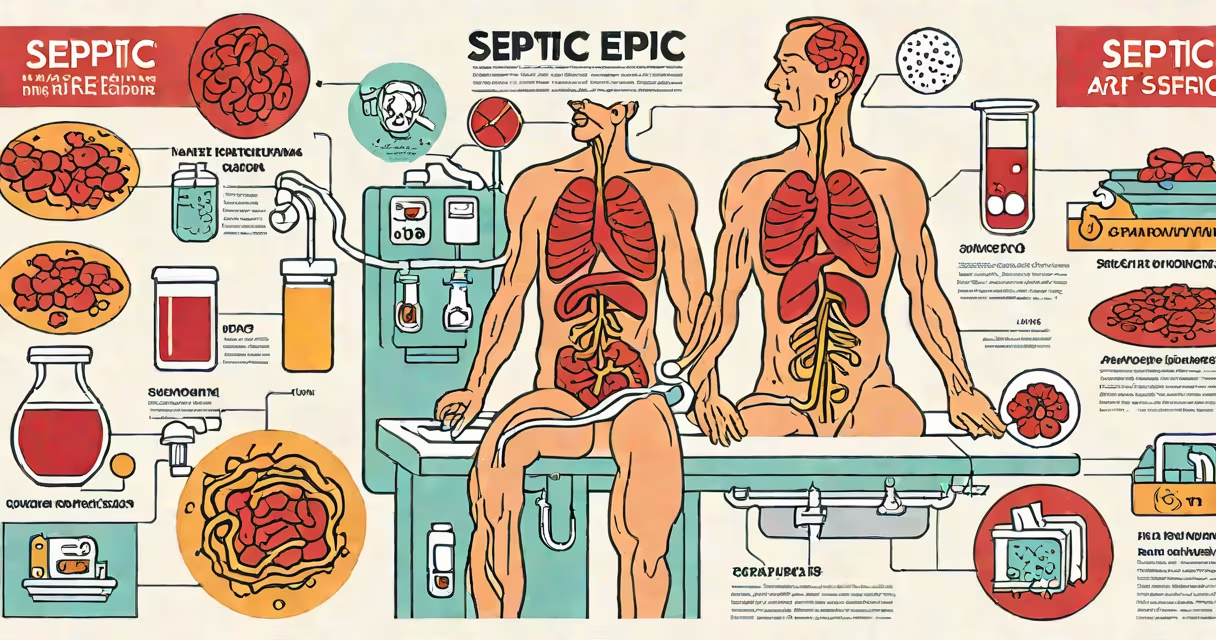
Sepsis is a severe, potentially fatal condition triggered when the body's immune system overreacts to an infection, causing widespread inflammation that damages tissues and organs. It occurs when bacteria, viruses, fungi, or other pathogens enter the bloodstream and provoke a systemic response.
Unlike localized infections, sepsis affects the entire body. It is not a standalone illness but a complication of untreated or poorly managed infections. Early recognition is critical-sepsis can progress rapidly from mild symptoms to septic shock, organ failure, and death within hours.
The term "septic" in medical contexts refers specifically to sepsis, not general sickness or feeling unwell. Confusion arises because people sometimes use "septic" casually to describe anything unpleasant or foul, but in clinical settings, it denotes a precise, dangerous physiological state requiring immediate intervention.
When an infection spreads into the bloodstream, the immune system releases cytokines-signaling proteins that trigger inflammation throughout the body. This cascade is meant to fight invaders, but in sepsis, the response becomes excessive and uncontrolled.
As inflammation intensifies, blood vessels dilate and become leaky. Blood pressure drops, reducing oxygen delivery to important organs. Clots may form in small vessels, blocking blood flow. This combination leads to tissue damage, impaired organ function, and eventually, multiorgan failure.
A 2021 study published in *The Lancet* found that sepsis accounts for nearly 11 million deaths annually worldwide-more than HIV, tuberculosis, and malaria combined. The mortality rate for severe sepsis exceeds 30%, rising to over 50% in cases of septic shock.
Early sepsis often mimics flu-like illness, making it easy to miss. Recognizing red flags is essential. The Surviving Sepsis Campaign recommends using the "Sepsis Six" checklist:
These signs indicate the body is struggling to maintain normal function. A patient with confusion, rapid breathing, and low blood pressure should be evaluated for sepsis immediately.
One real-world example: A 68-year-old man with a urinary tract infection developed sepsis after delaying care. He arrived at the ER with a temperature of 39.1°C, heart rate of 128 bpm, and altered consciousness. His lactate was 4.2 mmol/L. He was diagnosed with septic shock and required ICU admission, IV antibiotics, and vasopressor support to stabilize his blood pressure.
Many assume sepsis only follows surgical infections or hospital-acquired illnesses. In reality, it can arise from common infections such as pneumonia, urinary tract infections, skin abscesses, or even a simple ear infection in children.
Another myth is that sepsis only affects older adults or those with weakened immunity. While risk increases with age and chronic illness, healthy individuals can develop sepsis. A 2020 CDC report showed that 40% of sepsis cases occur in patients under 65, including otherwise healthy adults.
There is also confusion between sepsis and septic shock. Sepsis is the initial systemic inflammatory response. Septic shock occurs when blood pressure remains low despite fluid resuscitation, requiring medication to raise it. This stage drastically increases mortality risk.
Sepsis is categorized by the source of infection. The most common origins include:
| Infection Type | Typical Pathogens | Common Entry Points |
|---|---|---|
| Pneumonia | Streptococcus pneumoniae, Klebsiella | Lungs via respiratory droplets |
| Urinary Tract Infection (UTI) | E. coli, Proteus mirabilis | Bladder, kidneys, ureters |
| Abdominal Infections | Enterobacteriaceae, Clostridium | Perforated appendix, bowel obstruction |
| Bloodstream Infections (Bacteremia) | Staphylococcus aureus, Candida | IV lines, surgical wounds |
Each type requires targeted treatment. For example, UTI-related sepsis is treated with antibiotics effective against gram-negative bacteria like ceftriaxone or ciprofloxacin. Skin infections may require vancomycin if MRSA is suspected.
One non-obvious fact: sepsis can develop from viral infections. Influenza, COVID-19, and dengue fever have all been linked to secondary bacterial sepsis due to compromised lung and immune defenses. During the 2020 pandemic, sepsis rates rose sharply among hospitalized patients with severe viral respiratory illness.
Diagnosing sepsis relies on clinical assessment and lab tests. Key indicators include:
Treatment begins immediately upon suspicion. The Surviving Sepsis Campaign guidelines recommend:
I once observed a patient in a rural emergency department who presented with confusion and a high fever. Initial labs showed elevated CRP and low platelets. Within 45 minutes of antibiotic administration, their mental status improved. This case illustrates how early treatment can reverse sepsis progression.
Survival depends heavily on timing. A 2018 study in *Critical Care Medicine* found that each hour delay in antibiotic administration increased mortality by 7.6%. This underscores why "time is tissue" in sepsis management.
Recovery from sepsis varies widely. Some patients return to baseline health within weeks. Others face long-term complications, including fatigue, muscle weakness, cognitive decline, and post-traumatic stress disorder (PTSD).
Research from the University of Pittsburgh Medical Center shows that 40% of sepsis survivors report persistent cognitive issues six months after discharge. These effects resemble traumatic brain injury and may result from microclots and reduced cerebral blood flow during the acute phase.
Rehabilitation programs focused on physical therapy, mental health counseling, and gradual activity resumption are recommended. Patients should follow up with primary care providers to monitor organ function and prevent recurrence.