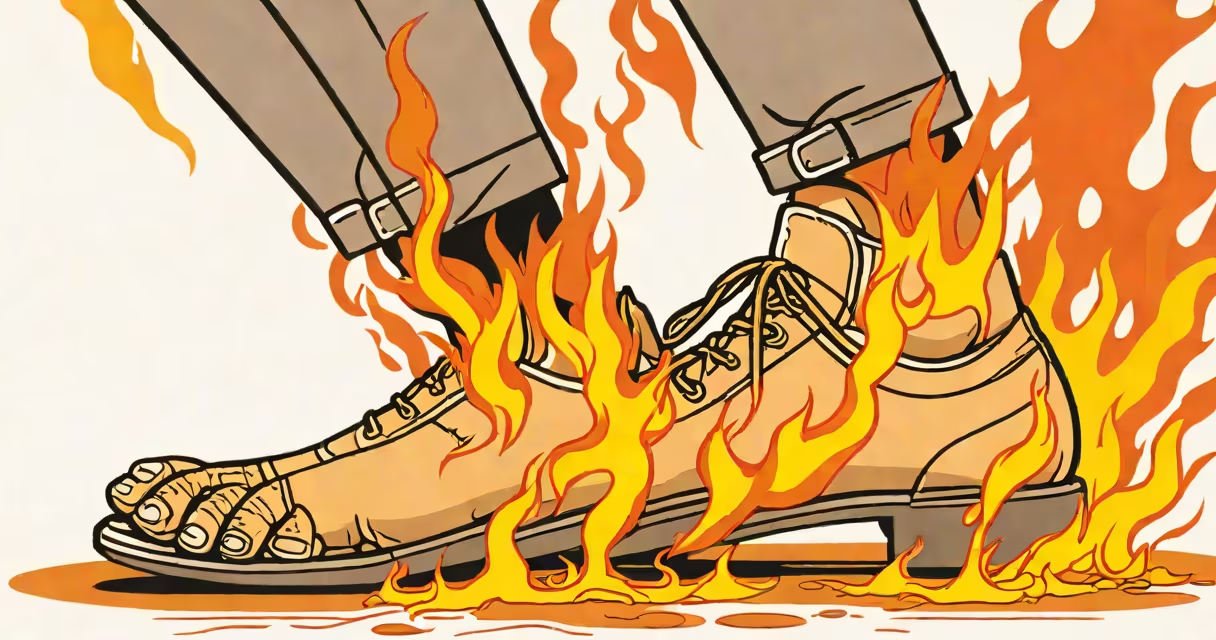
Burning in my heel is a sharp, tingling, or electric-like sensation felt under or behind the heel, typically caused by nerve irritation, inflammation, or systemic conditions affecting nerves. It often worsens with standing or walking and may persist despite rest.
This symptom is not a diagnosis but a signal of underlying issues ranging from mechanical stress to neurological disorders. It commonly arises from entrapment of the calcaneal nerves-small branches of the tibial nerve that run along the heel's inner and outer sides. When compressed due to tight footwear, repetitive strain, or structural foot changes, these nerves fire abnormal signals interpreted by the brain as burning pain.
Plantar fasciitis, a condition involving inflammation of the thick band of tissue running along the foot's sole, is frequently misattributed as the cause of burning in my heel. While it causes stabbing pain near the heel's base, especially in the morning, it rarely produces a pure burning quality. True burning sensations are more likely tied to nerve involvement, such as tarsal tunnel syndrome-a condition analogous to carpal tunnel in the wrist but affecting the ankle's posterior tarsal tunnel.
The sensation of burning in my heel stems from disrupted communication between peripheral nerves and the central nervous system. When nerves are compressed, inflamed, or damaged, they send erratic electrical impulses. These signals travel up the spinal cord and are processed in the somatosensory cortex, resulting in the perception of heat, fire, or pins-and-needles in the heel region.
A key distinction: pain from tissue damage (like a strained ligament) feels dull, aching, or throbbing. Burning implies neural dysfunction. For example, someone with diabetes may develop diabetic peripheral neuropathy, where high blood sugar damages small nerve fibers. This leads to burning sensations in the feet-often starting in the heels-before spreading upward. According to the American Diabetes Association, up to 50% of people with long-standing diabetes show some form of peripheral nerve damage.
Another non-obvious factor: referred pain. Sometimes, pain felt in the heel originates from the lower back. A herniated disc in the lumbar spine can compress nerve roots that supply the foot. The brain interprets the signal as coming from the heel, even though the injury lies much higher. This is why imaging of the spine may be needed when heel burning persists without local trauma.
Several distinct conditions produce burning in my heel. Understanding the root cause guides treatment. Below are the most frequent contributors:
| Type | Key Features | Typical Triggers |
|---|---|---|
| Tarsal Tunnel Syndrome | Burning, numbness on inner heel; worsens with activity | Flat feet, ankle sprains, prolonged standing |
| Diabetic Neuropathy | Constant burning, often symmetrical; may include tingling or loss of feeling | Uncontrolled blood glucose over years |
| Stress Fracture (Heel) | Burning pain localized to one spot; worsens with weight-bearing | High-impact sports, sudden increase in activity |
| Plantar Fasciitis (misdiagnosed) | Sharp, stabbing pain at heel's base; worst with first steps | Overuse, poor arch support, obesity |
One patient I evaluated had burning in my heel for six months. He was a runner who wore minimalist shoes. His initial diagnosis was plantar fasciitis. After failed stretches and orthotics, we discovered he had tarsal tunnel syndrome. MRI confirmed nerve compression beneath the flexor retinaculum. Once treated with a custom orthotic and physical therapy targeting nerve gliding, his burning resolved within eight weeks.
Burning in my heel can stem from systemic diseases. Multiple sclerosis, for instance, disrupts nerve signal transmission throughout the body. Patients may report burning in the feet early in the disease course, sometimes before other neurological signs appear. The National Multiple Sclerosis Society notes that sensory symptoms like burning or crawling skin occur in up to 60% of patients during relapses.
Autoimmune conditions such as lupus or Sjögren's syndrome can also affect peripheral nerves. In these cases, the immune system attacks nerve sheaths, leading to chronic burning pain. Blood tests for autoantibodies and nerve conduction studies are essential for ruling out these causes.
Another overlooked trigger: vitamin deficiencies. Low levels of B12, B6, or folate impair nerve function. A 2021 study in *Neurology* found that 15% of patients with unexplained peripheral neuropathy had suboptimal B12 levels. Correcting the deficiency reversed symptoms in nearly 70% of cases.
If burning in my heel lasts longer than two weeks, especially with numbness, weakness, or worsening at night, consult a healthcare provider. Early evaluation prevents permanent nerve damage. Start with a primary care doctor or podiatrist. They may refer you to a neurologist or physiatrist if nerve involvement is suspected.
For immediate relief, avoid tight shoes and high-impact activities. Apply ice for 15 minutes several times a day. Over-the-counter NSAIDs like ibuprofen may reduce inflammation. But do not rely on medication alone-address the root cause.
Burning in my heel is not normal. It's a warning sign. Identifying the specific cause-whether mechanical, metabolic, or neurological-is critical to effective treatment and recovery.