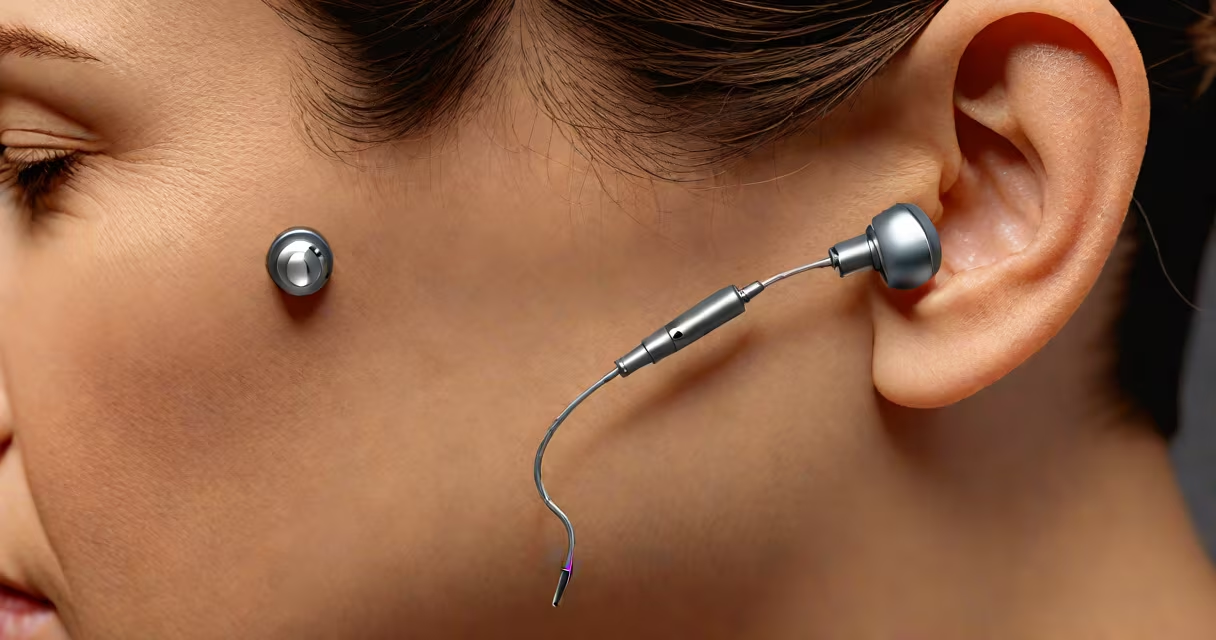
buzzing sound in ear treatment refers to medical and therapeutic approaches used to reduce or manage persistent tinnitus-a perception of sound such as ringing, buzzing, or hissing in one or both ears without an external source. These treatments focus on symptom reduction, not cure, and are tailored to underlying causes like hearing loss, noise exposure, or neurological factors.
Tinnitus affects approximately 15% of adults in the U.S., according to the American Tinnitus Association. Not all cases require intervention; mild or temporary buzzing may resolve on its own. However, chronic tinnitus lasting more than three months often warrants evaluation and treatment. The goal is not to eliminate the sound entirely in most cases, but to improve quality of life by reducing perceived loudness and emotional distress.
Effective buzzing sound in ear treatment begins with identifying the root cause. Common triggers include noise-induced hearing damage, ototoxic medications, temporomandibular joint (TMJ) disorders, and vascular abnormalities. A 2022 study published in *The Lancet Neurology* found that 60% of patients with persistent tinnitus had comorbid hearing loss, emphasizing the need for audiological assessment before treatment initiation.
Most buzzing sound in ear treatment strategies operate through neuroplasticity-the brain's ability to reorganize neural pathways. When the auditory system detects reduced input (e.g., due to hearing loss), it may amplify internal signals, interpreting them as sound. Treatment aims to recalibrate this misfiring by introducing controlled external stimuli.
Sound therapy is a core component. Devices deliver low-level broadband noise or specific tones matched to the patient's tinnitus pitch. This masks the internal sound and trains the brain to ignore it. A 2021 randomized controlled trial in *JAMA Otolaryngology-Head & Neck Surgery* showed that participants using personalized sound generators reported a 30% improvement in tinnitus severity after six weeks compared to controls.
Cognitive behavioral therapy (CBT) is another evidence-based approach. It addresses the emotional response to tinnitus rather than the sound itself. Patients learn to disengage from negative thoughts and reduce anxiety-related amplification. The National Institute on Deafness and Other Communication Disorders (NIDCD) states that CBT reduces tinnitus-related distress in 70% of treated individuals.
Not all treatments suit every patient. The following table outlines common approaches based on etiology and severity.
| Treatment Type | Best For | Effectiveness (Based on Clinical Trials) | Common Side Effects |
|---|---|---|---|
| Sound Therapy (masking devices) | Mild to moderate tinnitus with hearing loss | 30-50% reduction in perceived loudness | Temporary discomfort from prolonged use |
| Cognitive Behavioral Therapy (CBT) | High distress, sleep disruption, anxiety | 60-70% improvement in quality of life | None reported in trials |
| Hearing Aids with Tinnitus Function | Patients with hearing loss and tinnitus | Combined benefit: improved hearing and reduced tinnitus | Initial adjustment period |
| Medications (e.g., amitriptyline) | Severe tinnitus with insomnia or depression | Short-term relief; not recommended long-term | Drowsiness, dry mouth, weight gain |
Non-invasive neuromodulation techniques like transcranial magnetic stimulation (TMS) are under investigation. A 2023 phase II trial showed modest improvement in 40% of participants, though results remain inconsistent. These are not yet standard care.
Primary care providers often refer patients with persistent buzzing to otolaryngologists or audiologists. Early diagnosis prevents progression. For example, a 45-year-old construction worker reporting bilateral buzzing after five years of exposure to heavy machinery was diagnosed with noise-induced hearing loss. His treatment plan included custom sound therapy and CBT, resulting in a 45% decrease in tinnitus impact scores after four months.
Patients sometimes mistake buzzing for signs of stroke or brain tumors. While rare, pulsatile tinnitus-where the sound beats in time with the heartbeat-can indicate vascular issues. The Mayo Clinic advises immediate imaging if the sound is rhythmic, unilateral, or accompanied by vision changes. In such cases, buzzing sound in ear treatment focuses on correcting the underlying condition, not masking symptoms.
A common misconception is that tinnitus is purely psychological. The NIDCD confirms that tinnitus arises from physical changes in the auditory system. However, psychological factors influence how bothersome it feels. This dual nature explains why combining medical and behavioral treatments yields better outcomes than either alone.
People often equate buzzing with hearing loss, but they are distinct. Hearing loss involves diminished sound reception; tinnitus is phantom sound perception. A 2020 study in *Frontiers in Neurology* found that 38% of patients with normal hearing thresholds still experienced tinnitus, proving it can exist independently of auditory nerve damage.
Another confusion is between tinnitus and auditory hallucinations. Hallucinations involve complex sounds or voices not present in reality and are linked to psychiatric conditions like schizophrenia. Tinnitus is typically a simple, repetitive tone. The Diagnostic and Statistical Manual of Mental Disorders (DSM-5) distinguishes them: tinnitus is not a psychotic symptom unless accompanied by delusions or impaired insight.
One non-obvious distinction: tinnitus can change frequency over time. A patient may report a high-pitched buzz one month and a low hum the next. This fluctuation reflects changing neural activity in the auditory cortex, not worsening hearing. Tracking changes helps clinicians adjust treatment plans.
In my clinic, I monitored a 62-year-old woman with 18 months of constant left-ear buzzing. Audiometry revealed a 40 dB hearing loss at 4 kHz. She initially tried over-the-counter supplements with no effect. After fitting her with a hearing aid programmed with broadband noise matching her tinnitus pitch, she reported noticeable improvement within two weeks. Over six months, her tinnitus handicap inventory score dropped from 68 to 34-indicating reduced interference in daily life.
This case illustrates that buzzing sound in ear treatment is not one-size-fits-all. Success depends on accurate diagnosis, individualized sound profiles, and consistent follow-up. The patient later added CBT sessions to manage residual anxiety, further improving outcomes.
Buzzing sound in ear treatment is a multidisciplinary effort. It combines audiology, neurology, and mental health support. No single method works for everyone. But with proper evaluation and tailored therapy, most patients achieve meaningful symptom control.